What Happened
A federal civil rights lawsuit tied to an incident at a Wisconsin dog-breeding facility was reportedly withdrawn in late June 2026, according to online court records referenced in local reporting. The suit had been filed in late April by an animal advocacy group and named the facility, a county sheriff's office, and a county executive.
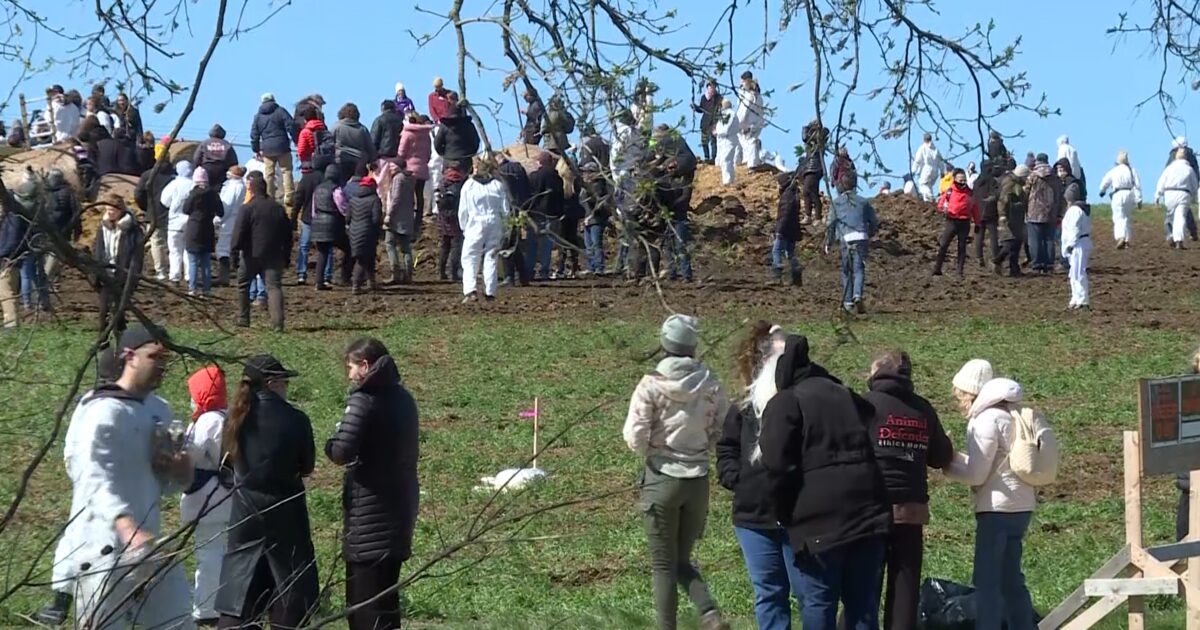
The complaint reportedly alleged that people attempting to remove beagles from the facility — described by the plaintiffs as peaceful rescuers — were met with chemical agents, impact munitions, and physical barriers such as trenches. The facility itself has been the subject of public scrutiny for some time and, per a June statement from an advocacy group cited in coverage, was in the process of releasing its remaining dogs to rescue organizations.
The civil case was reportedly closed after the plaintiffs voluntarily withdrew it. According to the coverage, the withdrawal was linked to pending criminal charges against people who allegedly participated in break-in attempts earlier in the year, including a well-known figure in the animal rights movement whose trial is reportedly scheduled for January. This article does not take a position on any of those allegations.
Why It Matters Legally
Cases like this sit at a busy intersection of legal doctrines. On one side, there are civil rights claims — often brought under federal statutes that allow people to sue government officials or agencies for alleged constitutional violations, such as excessive force or unreasonable seizure. On the other side, there are criminal laws protecting private property, including trespass, burglary, and, in some states, specialized statutes covering agricultural or research facilities.
When protest activity, property rights, and police response collide, courts generally have to sort out several questions at once: Was the force used by officers reasonable under the circumstances? Were the people on scene lawfully present? Did the private facility act as a "state actor" in coordinating with law enforcement, which can matter for civil rights liability? None of these questions get answered when a case is withdrawn, but the filing itself often previews the arguments each side would have made.
Lawyers pay attention to matters like this because they touch on rules that apply far beyond animal advocacy — the same doctrines shape how courts evaluate protest policing, use-of-force claims, and the boundary between private security and public law enforcement.
Who Could Be Affected
Even though this specific dispute involved animal advocacy, the underlying legal issues can affect many groups. Categories of people who might have civil rights claims in similar situations generally include:
- Protesters and demonstrators who allege they were subjected to chemical irritants, impact munitions, or other force by law enforcement.
- Bystanders unintentionally caught up in crowd-control measures.
- Journalists and legal observers who say they were prevented from documenting a police response.
- Property owners and employees on the other side, who may have their own claims related to trespass, harassment, or damage.
- People arrested during protests who later assert that the arrest lacked probable cause or was retaliatory.
How Cases Like This Generally Work
Civil rights lawsuits generally begin with a written complaint that lays out what allegedly happened, which constitutional or statutory rights were reportedly violated, and what remedy the plaintiff wants. In cases involving law enforcement, plaintiffs typically point to the Fourth Amendment (for excessive force or unlawful seizure) or the First Amendment (for retaliation against protected speech and assembly).
A lawyer evaluating a matter like this would generally look first at:
- Video and audio evidence from body cameras, bystander phones, or facility security systems.
- Medical records documenting any injuries from munitions or chemical exposure.
- Communications between private security and law enforcement, which can matter for whether a private actor is treated as a government actor.
- Use-of-force policies and training materials for the agencies involved.
- The timing and sequence of events, especially whether warnings were given.
Timelines vary widely. The statute of limitations for federal civil rights claims is generally borrowed from the state's personal injury deadline, which is often two or three years but differs by state. Criminal cases can move faster or slower than civil ones, and the two tracks frequently interact. When someone faces criminal charges tied to the same events as a civil suit, their lawyers may advise pausing or withdrawing the civil case to protect their Fifth Amendment right against self-incrimination — a common reason a civil case may be dropped without any decision on the merits.
What to Watch Next
Readers following this story or similar ones can generally expect a few things in follow-up coverage:
- Criminal trial developments, including motions to dismiss, plea negotiations, or jury verdicts.
- Possible refiling of civil claims after criminal matters resolve, since a withdrawal without prejudice sometimes leaves the door open.
- Regulatory action by state or federal agencies overseeing animal welfare, licensing, or research facilities.
- Policy debates in state legislatures about protest, trespass, and "ag-gag" style laws.
- Settlements or public statements from any of the parties involved.
Frequently Asked Questions
Q: What is a federal civil rights lawsuit?
A: It's generally a case filed in federal court claiming that a government official, agency, or someone acting with the government violated a person's constitutional or federal statutory rights. Common examples include excessive force by police, unlawful arrest, or retaliation for protected speech. Remedies can include money damages and court orders changing how an agency operates.
Q: Why would plaintiffs voluntarily drop a civil rights case?
A: There are many possible reasons. Plaintiffs may want to focus on defending related criminal charges, avoid giving sworn testimony that could be used against them, run into evidence or funding problems, or reach an out-of-court understanding. A withdrawal is not generally a ruling on whether the underlying claims had merit.
Q: Can a withdrawn lawsuit be filed again later?
A: Sometimes. If a case is dismissed "without prejudice," the plaintiffs may generally be able to refile within the applicable statute of limitations. If it's dismissed "with prejudice," it usually cannot be brought again on the same claims. The specific court order controls.
Q: What is qualified immunity, and why does it come up so often?
A: Qualified immunity is a legal doctrine that generally protects government officials from personal civil liability unless they violated a right that was "clearly established" at the time. It's often raised early in civil rights cases and can end a lawsuit before a jury ever hears the facts.
Q: Can a private company be sued for civil rights violations?
A: Generally, federal civil rights statutes target government actors, but a private company can sometimes be pulled in if it acted jointly with law enforcement or performed a traditionally governmental role. Courts look closely at the relationship between the private party and the government before allowing such claims to proceed.
Q: Do criminal charges affect a related civil case?
A: Yes, they often do. Criminal and civil cases can run on parallel tracks, but courts and lawyers frequently coordinate them because testimony in one can affect the other. A defendant in a criminal case may invoke the Fifth Amendment, which can complicate a civil case involving the same events.
Q: What kinds of evidence matter most in an excessive force claim?
A: Video footage, medical records, use-of-force policies, witness statements, and officer training materials generally carry a lot of weight. Timing details — such as whether warnings were given and how quickly force escalated — can also be critical to how a court views the case.