What Happened
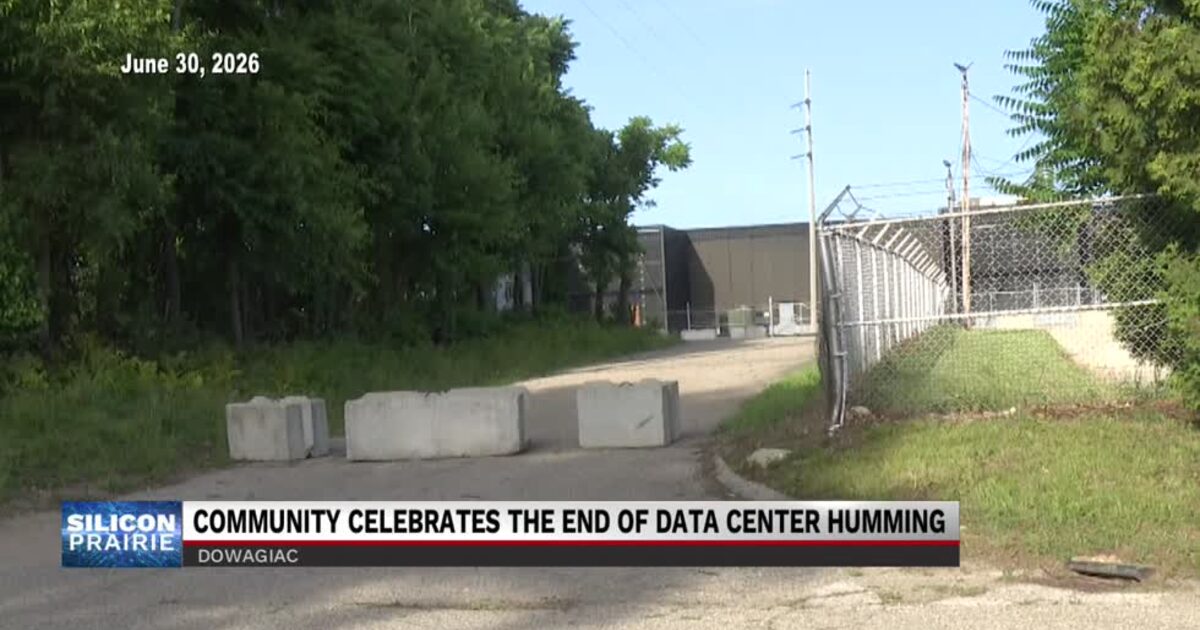
In Dowagiac, Michigan, a data center that had been used for cryptocurrency mining reportedly powered down its bitcoin operation on September 1, 2026, according to local news coverage. Neighbors who live near the facility have said the site produced a constant humming sound for months, and several residents told reporters the noise made it difficult to enjoy their yards and outdoor spaces.
The company that operates the site, Hyperscale Data, has reportedly said it plans to convert the facility into a full artificial intelligence data center. The company's CEO reportedly told residents earlier in the summer that moving away from bitcoin mining was expected to lower the noise level, and locals have said the change is already noticeable.
Importantly, the facility's cryptocurrency mining operation has reportedly been the subject of a pending class-action lawsuit that alleges noise pollution harmed the surrounding community. That case has not been resolved, and the allegations have not been proven in court. The company has also said it cannot yet confirm how loud the future AI operations may be for neighbors.
Why It Matters Legally
Cases like this sit at the intersection of several legal areas that ordinary people rarely think about until an industrial neighbor moves in nearby. The most direct area is what lawyers generally call nuisance law, which is a civil rights and property-based framework that protects a person's right to reasonably use and enjoy their own home. When something on a neighboring property — noise, odor, vibration, light, dust — crosses a line and unreasonably interferes with that use, the affected homeowners may have a legal claim.
Data centers, whether used for crypto mining or AI, generally run large arrays of computer servers that need constant cooling. The fans and cooling systems can produce a low, steady hum that some neighbors describe as impossible to ignore. Because these facilities are relatively new to many small communities, local zoning rules and noise ordinances often were not written with them in mind, which is part of why disputes have been showing up in court.
The reported class-action lawsuit is also worth paying attention to. Class actions generally allow a group of similarly situated people — here, neighbors allegedly affected by the same source of noise — to bring a single case together, rather than each filing separately. That structure can make it more practical to pursue claims where any one person's damages might be modest but the combined harm to a neighborhood is significant.
Who Could Be Affected
Several categories of people generally pay close attention to disputes like this one:
- Homeowners and renters who live near industrial facilities, data centers, factories, compressor stations, or wind and solar sites that produce continuous noise.
- Nearby property owners who believe the noise or other emissions have reduced the market value of their homes.
- People with health conditions — such as sleep disorders, migraines, or noise sensitivity — who may be disproportionately affected by low-frequency sound.
- Local governments and zoning boards trying to balance economic development with quality-of-life concerns.
- Businesses located near industrial neighbors whose operations may impact customer experience or employee comfort.
How Cases Like This Generally Work
Noise-based nuisance and civil rights property cases generally follow a recognizable shape, although every situation is different and the specifics vary by state and locality.
What lawyers typically look at first. An attorney evaluating a potential case generally asks how loud the noise is, how often it occurs, when it happens (daytime vs. overnight), how many households are affected, and whether the source is operating within any applicable permits. They also look at whether the facility existed before the neighbors moved in or arrived later — a factor sometimes called "coming to the nuisance," which can affect but does not automatically defeat a claim.
Evidence that generally matters. Documentation is central. That may include decibel readings taken with calibrated sound meters, expert acoustic reports, medical records showing sleep disturbance or stress, photos and videos, logs of when the noise was worst, communications with the operator, and complaints filed with local authorities. In class actions, plaintiffs generally need to show that the group members share common issues that can be resolved together.
Possible legal theories. Depending on the facts, cases may involve private nuisance (interference with a specific property owner's use and enjoyment), public nuisance (harm to a broader community interest), trespass by sound or vibration in some jurisdictions, negligence, or violations of local noise ordinances and zoning rules. Some cases may also raise environmental or regulatory claims.
Timelines. Civil cases like this generally take a long time — often more than a year, and sometimes several years, especially when class certification is contested. Statutes of limitations, which set deadlines for filing, vary by state and by the type of claim. Because the harm from ongoing noise is generally considered a continuing wrong, the clock analysis can be different from a one-time incident.
Possible outcomes. Courts in nuisance cases may order money damages for past harm, injunctions requiring the operator to reduce noise (through mufflers, walls, changed hours of operation, or equipment changes), or both. Many cases settle before trial, sometimes with the operator agreeing to specific noise-reduction steps.
What to Watch Next
For readers following the Dowagiac story or similar disputes elsewhere, several developments would generally be worth watching in follow-up reporting or court records:
- The status of the pending class action. Whether the case continues now that mining has reportedly stopped, whether it is amended to focus on past harm, and whether the court certifies a class.
- Noise from the new AI operation. If the converted facility produces similar or different sound levels, that could shape future complaints and legal action.
- Local government response. Whether the city, county, or state considers new noise ordinances, zoning changes, or permitting rules for data centers.
- Any settlement announcements or court orders that require specific noise mitigation.
- Similar cases in other communities. Data center noise disputes have reportedly been arising in multiple states, and rulings in one jurisdiction can influence others.