What Happened
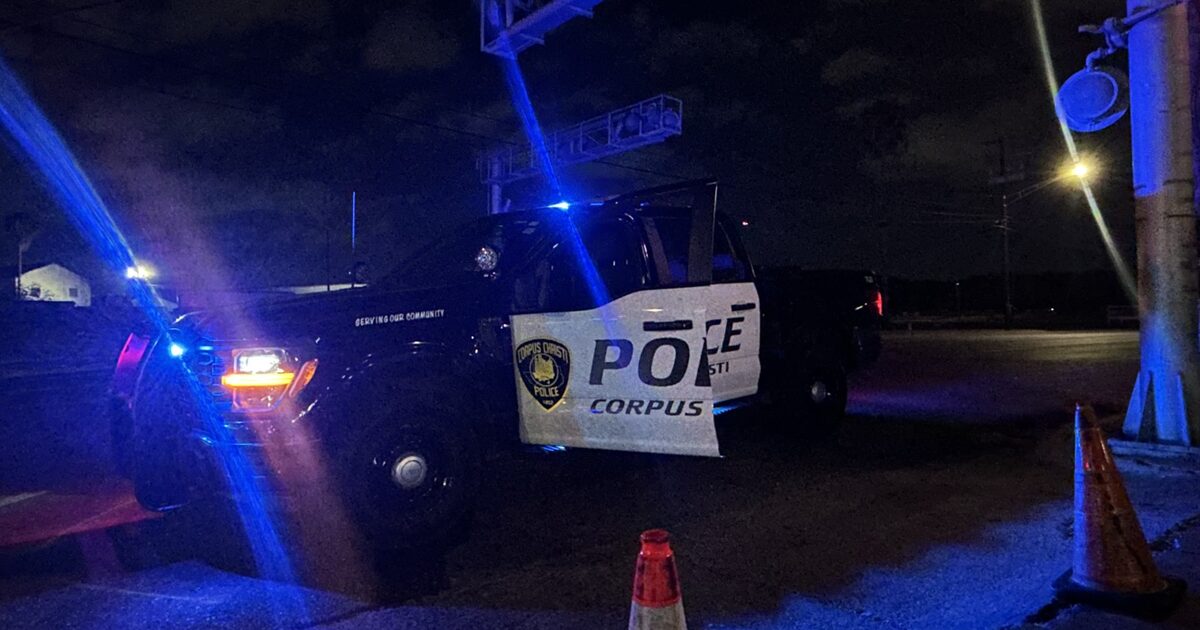
According to local reporting out of Corpus Christi, Texas, officers with the city police department were called Saturday evening to a disturbance in a Westside neighborhood. Callers reportedly described a man on a bicycle firing a gun at dogs and then threatening a woman who tried to step in.
Police said the man left the area before officers arrived. A short time later, officers reportedly spotted someone matching the description a few blocks away and tried to stop him. According to the assistant chief who briefed reporters, the man did not comply, and when officers eventually forced the bicycle to stop, one officer approached and told him to get off.
Police say the man then reached into his pants and pulled out a handgun. An officer fired, striking him at least once. Officers reportedly began first aid at the scene, and the man was taken to a local hospital in critical condition. No officers were reported injured.
The department has said the investigation is still open. Detectives are reportedly interviewing witnesses and looking for video. Officials have not publicly shared whether the man has a criminal history, and it is not yet clear whether any animals were hurt. The account above reflects the police department's early statements; independent facts may emerge as the investigation continues.
Why It Matters Legally
Officer-involved shootings sit at the intersection of several bodies of law, which is why they draw so much attention from prosecutors, civil rights lawyers, and the public.
On the criminal side, prosecutors generally review whether the officer's use of deadly force was legally justified under state law. In Texas, as in most states, an officer may use deadly force only under certain conditions, typically tied to a reasonable belief that force is necessary to protect against death or serious bodily injury.
On the civil rights side, the U.S. Constitution's Fourth Amendment protects people from "unreasonable seizures," and courts have long held that a police shooting counts as a "seizure." A federal statute known as 42 U.S.C. § 1983 generally allows people whose constitutional rights were violated by government officials to sue for damages. That statute is the main vehicle for civil rights lawsuits over police shootings.
At the same time, officers and departments have significant legal defenses. Qualified immunity often shields individual officers from lawsuits unless the plaintiff can show the officer violated "clearly established" law. Cities and counties usually can only be sued under Section 1983 if the harm came from an official policy, custom, or a failure to train — a standard known as Monell liability. These doctrines make civil rights cases legally complex, even when the underlying facts seem serious.
Who Could Be Affected
Incidents like this one can touch a wide range of people, including:
- The person who was shot, who may have civil rights claims if evidence later suggests the force used was unreasonable under the circumstances.
- Family members, who may have claims of their own if a loved one dies or is permanently disabled, sometimes including wrongful death or loss-of-relationship claims under state law.
- Bystanders and witnesses, who could be interviewed by investigators and, in rare cases, could also have claims if they were injured or unlawfully detained.
- Neighbors and residents in the area, who may not have legal claims but often have questions about safety, transparency, and how their department handles use-of-force reviews.
- Officers themselves, who are generally the subject of internal affairs review and, in some cases, criminal or civil proceedings.
How Cases Like This Generally Work
Civil rights cases involving police force typically unfold in overlapping tracks.
Internal and criminal review. The department usually opens an internal investigation, and an outside agency — sometimes the Texas Rangers or a district attorney's office — may review whether any crime was committed by the officer. A grand jury may be asked to consider charges. These reviews can take months.
Evidence lawyers look for. In a potential civil rights case, attorneys generally focus on:
- Body-worn camera and dashcam footage
- Nearby surveillance or doorbell video
- 911 call recordings and dispatch logs
- Witness statements taken independently of police
- Autopsy or medical records showing the nature of injuries
- The officer's training records, prior complaints, and department policies on use of force and de-escalation
Deadlines. Civil rights claims under Section 1983 borrow the statute of limitations from state personal-injury law. In Texas, that is generally two years from the date of the incident, though specific facts can shorten or extend that window. Missing the deadline usually ends the case, no matter how strong the underlying facts.
Typical timeline. From incident to resolution, a civil rights case can easily take two to four years, and sometimes longer if there are appeals over qualified immunity.
What to Watch Next
As the story develops, follow-up coverage may include:
- Release (or non-release) of body-camera footage, which many Texas departments post within a set window after critical incidents.
- Identification of the officer involved and whether they are placed on administrative leave, which is standard practice.
- Any criminal charges filed against the man who was shot, if he survives, related to the reported disturbance.
- A district attorney or grand jury decision on whether the officer's use of force was legally justified.
- Any civil filing by the injured man or his family in state or federal court.
- Statements or findings from independent investigators or civilian oversight, if applicable.
Frequently Asked Questions
Q: Is every police shooting a civil rights violation?
A: No. Officers are generally allowed to use force, including deadly force, under specific legal standards. A shooting only becomes a civil rights violation if a court finds the force was constitutionally unreasonable under the circumstances, which depends heavily on the facts.
Q: What is Section 1983 and why does it come up in police cases?
A: Section 1983 is a federal law that generally lets people sue state and local government officials for violating their constitutional rights. It is the main tool used in civil lawsuits over police shootings, wrongful arrests, and jail conditions.
Q: What is qualified immunity in plain English?
A: Qualified immunity is a legal doctrine that often protects individual officers from personal liability unless they violated a clearly established constitutional rule. In practice, it can make civil rights cases harder to win, even when the officer's conduct looks questionable.
Q: Can a family sue if a loved one dies in a police shooting?
A: Generally, yes. Family members may be able to bring civil rights claims on behalf of the person who died, and state wrongful-death claims in their own name. The specific rules about who can sue and for what damages vary by state.
Q: How long do people usually have to file a civil rights lawsuit after a police shooting?
A: Section 1983 claims typically use the state's personal-injury deadline. In Texas, that is generally two years from the incident, but shorter notice deadlines can apply if a city or county is involved. Missing a deadline usually ends the case.
Q: Does it matter if the person shot was armed or had a criminal record?
A: It can matter, but not the way many people assume. Courts generally focus on what the officer reasonably knew and saw at the moment force was used, not on unrelated criminal history. Whether a weapon was displayed, and how, is often a central issue.
Q: Will body-camera video automatically be released to the public?
A: Not always. Release policies vary by department and state law. Some agencies post critical-incident video within days or weeks, while others hold footage during an active investigation. Media outlets and attorneys often push for release through public-records requests.
Q: What should someone do if they witnessed an officer-involved shooting?
A: Witnesses may generally choose to give a statement to investigators and can also write down what they remember while it is fresh. Anyone unsure about their rights or role can consult an attorney, but this article is educational and not a substitute for legal advice.