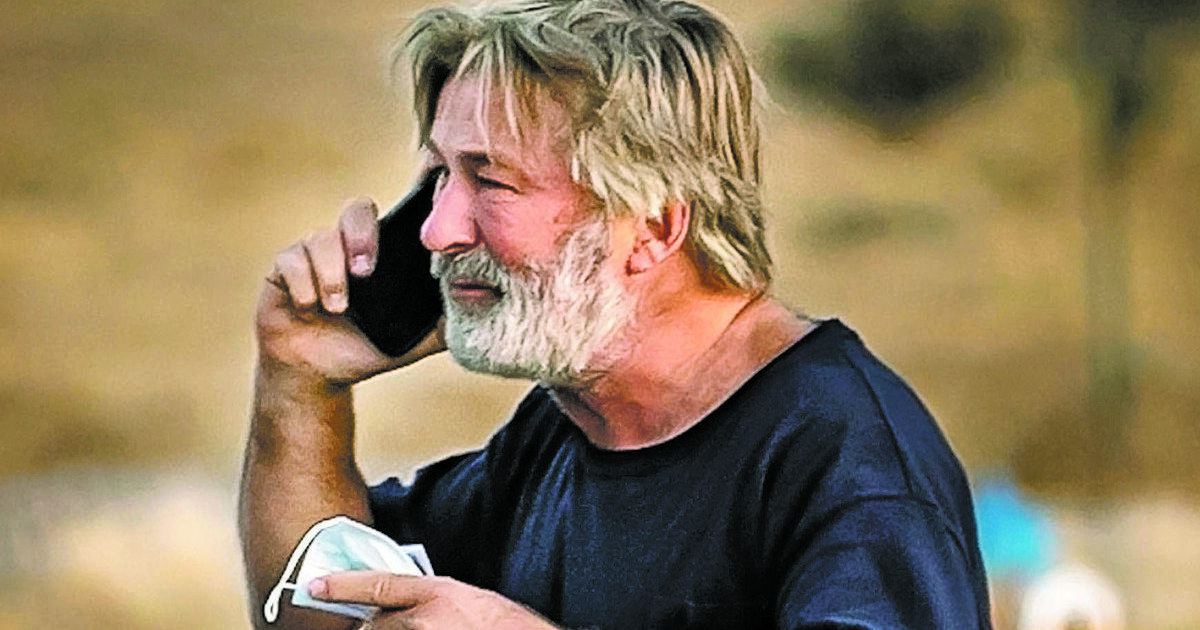
A trailer for a new documentary about the fatal 2021 shooting on the set of the film Rust has renewed public attention on a case that was reportedly dismissed by a New Mexico judge in 2024 over alleged prosecutorial misconduct. The film, set for a theatrical release in October, follows the actor at the center of the case through years of legal proceedings and personal turmoil.
Below, we break down what this story generally means for how the American legal system handles due process, workplace fatalities, and the rights of people accused of serious crimes.
What Happened
According to widely published reporting, a cinematographer was killed and a director was injured in October 2021 when a prop firearm discharged on the New Mexico set of a Western film. The actor holding the weapon was later charged with involuntary manslaughter. He has consistently denied pulling the trigger and said he was assured the gun did not contain live ammunition.
Reports indicate the criminal case against the actor was dismissed in 2024 after a judge found issues with how prosecutors handled evidence — a ruling generally described as a finding of prosecutorial misconduct. A separate individual who worked as the film's armorer was reportedly convicted of involuntary manslaughter and served time before being released early.
A new documentary reportedly captures the actor's private reflections during the legal process, including his stated hope for an acquittal and his description of being in shock when he learned of the cinematographer's death. The film is being released as public interest in the case continues.
Why It Matters Legally
This story touches on several overlapping areas of law, but from a civil rights perspective, the most important thread is due process — the constitutional guarantee that people accused of crimes will be treated fairly by the government.
When a court dismisses a serious criminal case because of how prosecutors behaved, it is generally sending a message that the state failed to meet its obligations. That can include failing to turn over evidence to the defense (often called a Brady violation), misleading the court, or mishandling witnesses. These are not just procedural technicalities; they are protections rooted in the Fifth, Sixth, and Fourteenth Amendments.
The case also intersects with workplace safety law and civil liability. A fatality on a job site — whether a construction project or a film set — can trigger parallel investigations by criminal prosecutors, workplace safety regulators, and civil attorneys representing the family of the person who died.
Who Could Be Affected
Cases with this shape can affect a wide range of people, generally including:
- Workers and their families on any set, site, or facility where dangerous equipment is used. When someone is killed on the job, surviving family members may have wrongful death claims regardless of what happens in the criminal courts.
- People accused of crimes who believe prosecutors withheld evidence or acted improperly. These defendants may have grounds to seek dismissal, a new trial, or in some cases civil rights lawsuits under federal law.
- Employers and supervisors who may face regulatory penalties, civil suits, or in rare cases criminal charges when a workplace fatality is tied to safety failures.
- Bystanders and coworkers who witness a traumatic incident and may have their own claims for emotional or physical injuries, depending on state law.
How Cases Like This Generally Work
When a serious injury or death happens on a job, the legal fallout typically moves on several tracks at once.
Criminal track. Prosecutors decide whether to file charges such as involuntary manslaughter or criminal negligence. The defense then has the right to see the evidence against them, challenge how it was gathered, and question witnesses. If prosecutors are found to have violated their duties — for example, by hiding favorable evidence from the defense — a judge may dismiss the case or order a new trial. Appeals can follow in either direction.
Civil track. The family of a person who died may file a wrongful death lawsuit, and injured workers may bring personal injury claims. Civil cases use a lower standard of proof than criminal cases, so a defendant can be cleared of criminal charges and still face civil liability. These cases often settle before trial.
Regulatory track. Workplace safety agencies — such as OSHA at the federal level or state equivalents — may investigate and issue citations or fines. Their findings can become important evidence in civil cases.
Civil rights track. If a defendant believes their constitutional rights were violated during a criminal investigation or prosecution, they may in some cases pursue a federal civil rights lawsuit. These claims are generally difficult because prosecutors and other officials often enjoy broad immunity, but they exist as a backstop when misconduct is severe.
Evidence that generally matters most includes documentation of safety protocols, chain-of-custody records for physical items like a firearm, communications between decision-makers, and records showing what warnings were given and to whom. Timelines vary widely, but statutes of limitation for civil claims are often measured in one to three years from the date of injury, depending on the state and type of claim.
What to Watch Next
Readers following this story may see continued reporting on several fronts. Civil lawsuits stemming from the on-set death have been widely reported to be in various stages of resolution, and any remaining claims could produce new filings or settlements. State bar authorities sometimes review the conduct of prosecutors who are found by a court to have crossed a line, though such reviews rarely become public quickly.
Documentaries about real legal cases can themselves generate legal disputes — over defamation, over the use of someone's likeness, or over whether pretrial publicity affected juror pools in related matters. Coverage in the coming months may touch on any or all of these issues.