A federal appeals court has reportedly cleared the way for Florida to enforce a state law that restricts minors from attending certain live adult-oriented performances, including some drag shows. The ruling has drawn fresh attention because a candidate for U.S. Senate in Florida discussed the law during a recent podcast interview and defended drag performances as family-friendly. Political reactions aside, the underlying legal questions touch on some of the most active areas in civil rights and First Amendment law right now. This explainer walks through what the news generally means, who could be affected, and how these cases typically move through the courts.
What Happened
According to reports, a federal appeals court recently upheld a Florida statute — often described in press coverage as the Protection of Children Act — that limits access by minors to certain live performances the state considers sexually explicit. The law does not ban drag as a category of expression, but it does authorize penalties against venues that admit children to performances the state defines as adult-oriented.
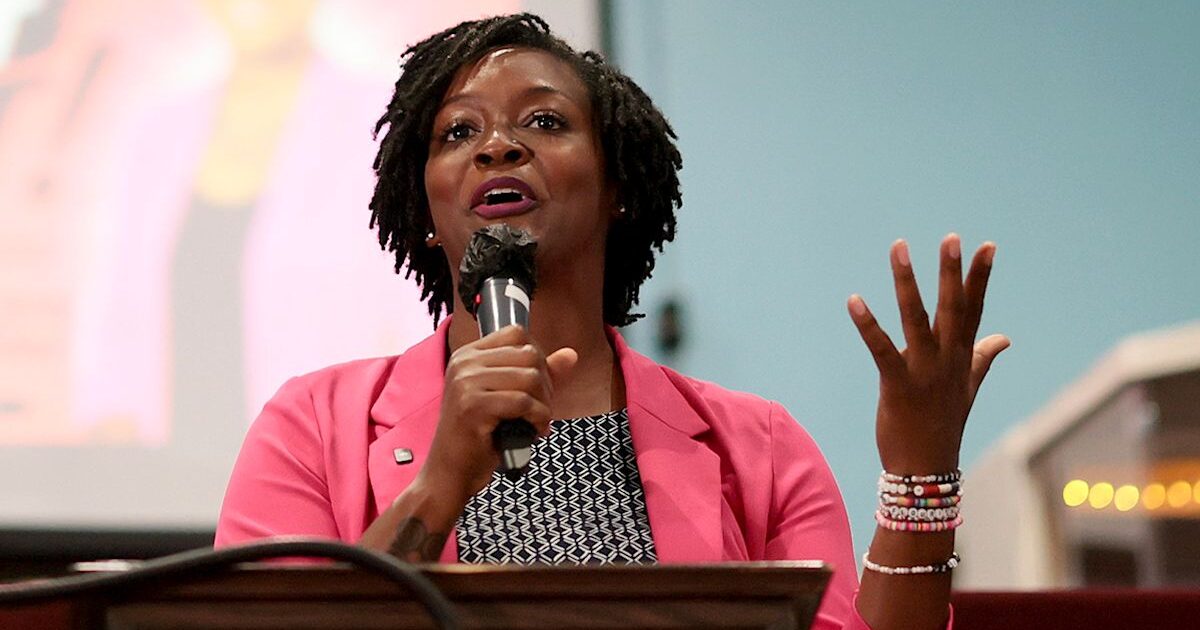
The ruling reportedly came in the middle of a heated political season. A Democratic state legislator who recently won her party's U.S. Senate primary discussed the law on a podcast and described drag entertainment as "wholesome," saying she had taken her own children to shows. Critics pushed back sharply. Those political statements are separate from the legal question the appeals court addressed, which was whether the statute can be enforced while further challenges continue.
Why It Matters Legally
Cases like this sit at the intersection of several civil rights areas:
- First Amendment / free expression. Live performance is generally treated as protected speech. Governments can regulate obscene material and can restrict what minors are exposed to, but courts closely examine whether a law is written narrowly enough to avoid sweeping in protected expression.
- Equal protection. When a law appears to target a particular kind of expression or a particular community, plaintiffs may argue it violates the constitutional guarantee of equal treatment under the law.
- Vagueness and overbreadth. Laws that use terms like "lewd conduct" or "adult live performance" can be challenged if courts find them too unclear for ordinary people or businesses to know what is prohibited.
- Parental rights. Some challengers argue that decisions about what children attend belong to parents, not the state. Supporters of these laws generally argue the state has a strong interest in protecting minors.
Who Could Be Affected
Laws restricting minors' access to certain live performances can touch a wide range of people, generally including:
- Performers who may face uncertainty about which routines or venues fall under the statute.
- Venue owners and event organizers who could face fines, license consequences, or other penalties for admitting minors to a covered show.
- Parents and families who may disagree about whether the state should be the one deciding what is age-appropriate.
- LGBTQ+ advocacy groups that may argue the law disproportionately targets their community's cultural events.
- Civil liberties organizations that generally track how content-based restrictions are drafted and enforced.
- Local governments and law enforcement, who may be tasked with interpreting the statute at the ground level.
How Cases Like This Generally Work
Civil rights challenges to state laws typically follow a recognizable pattern, although every case is different.
1. Filing and preliminary injunction. Plaintiffs — often a venue, a performer, or an advocacy group — usually file in federal court and ask a judge to pause enforcement of the law while the case proceeds. This early stage often produces the first headlines.
2. The trial court weighs constitutional standards. For content-based restrictions on speech, courts generally apply a demanding form of review that asks whether the state has a compelling interest and whether the law is narrowly tailored to serve it. For laws about minors' access to sexual material, courts sometimes apply a more flexible standard, but they still look for careful drafting.
3. Appeals. Whichever side loses at the trial level typically appeals. A federal appeals court may leave a lower ruling in place, reverse it, or send it back for more fact-finding. Reports suggest that is the stage recently reached in Florida.
4. Evidence courts look at. Judges reviewing these laws generally examine the statute's actual text, examples of the performances at issue, the state's stated reasons for the law, and whether existing obscenity or child-protection laws already cover the conduct in question.
5. Possible outcomes. Courts may uphold the law in full, strike it down entirely, or narrow how it can be applied. Even when a law is upheld on its face, individual enforcement actions may still be challenged later — a distinction lawyers call "facial" versus "as-applied" challenges.
6. Timelines. Constitutional cases can take months or years. Emergency motions may move in days, but full appellate review often stretches across an election cycle.
What to Watch Next
Readers following coverage may see several developments in the coming weeks and months:
- Further appeals, potentially including a request for the full appeals court to rehear the case or for the U.S. Supreme Court to take it up.
- Enforcement actions, such as fines or license reviews against venues that reportedly admit minors to covered performances.
- Copycat legislation in other states — Texas, Tennessee, Arizona, and others have all seen similar proposals in recent years.
- Election coverage, since candidates on both sides of the issue are likely to reference the ruling on the campaign trail.
- Guidance documents from state agencies clarifying how the statute will be applied to specific types of performances or venues.