What Happened
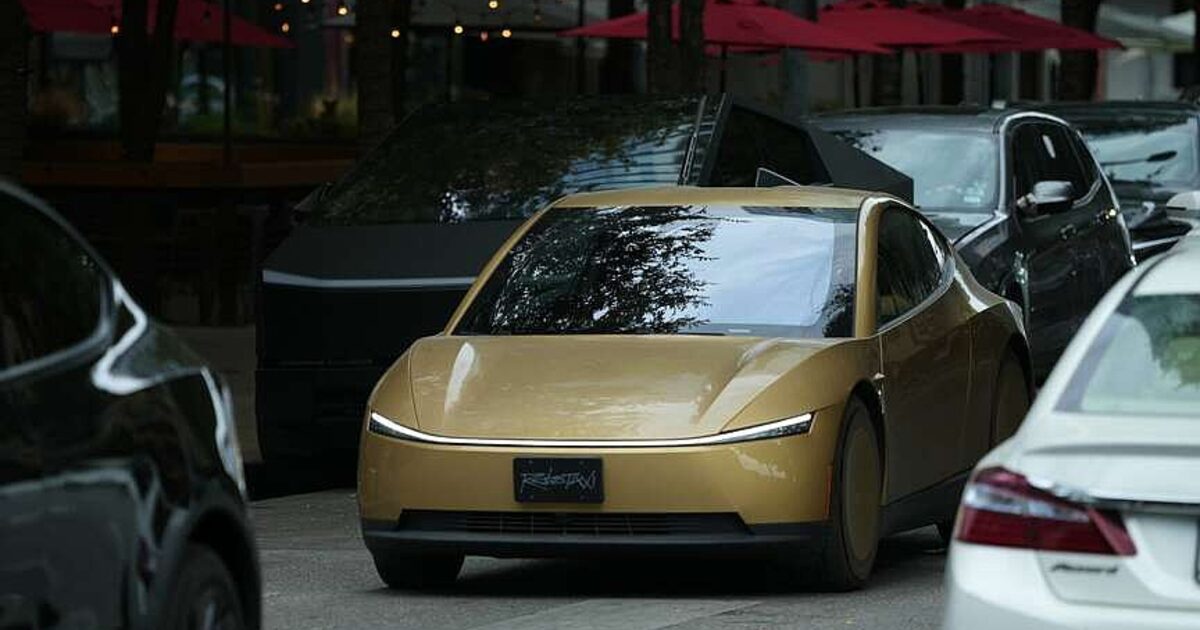
Federal auto safety regulators have reportedly opened an investigation into Tesla's newly launched Cybercab, a two-seat, driverless taxi that has no steering wheel, no brake pedal and no side mirrors. According to news reports, the National Highway Traffic Safety Administration (NHTSA) announced its review one day after Tesla began offering public Cybercab rides in Austin, Texas.
The agency is reportedly looking at whether the vehicles meet longstanding federal motor vehicle safety standards, which generally require certain manual controls and mirrors on cars sold and operated in the United States. Tesla had reportedly relied on a self-certification process before launch, and regulators now say they intend to audit the technical data and procedures behind that certification.
The Cybercab launch is part of a broader robotaxi rollout that reportedly already includes autonomous Model Y rides in several Texas and Florida cities. Reports also note that Tesla is facing several other ongoing federal probes tied to its driver-assistance software, including inquiries into crashes in low-visibility conditions, incidents involving vehicles allegedly running red lights or driving the wrong way, and questions about whether the company reported crashes to regulators on time.
No court has ruled on any of these matters, and the investigations described are inquiries — not findings of wrongdoing.
Why It Matters Legally
Driverless vehicles sit at the crossroads of several areas of law that ordinary personal injury cases rarely touch all at once. When a human driver causes a crash, the legal analysis is usually straightforward: was the driver careless, and who insured them? Take the human out of the driver's seat, and the picture changes.
Cases involving autonomous vehicles generally touch on:
- Product liability, which looks at whether a vehicle or its software was defectively designed, defectively manufactured, or sold without adequate warnings.
- Negligence, which may extend to the company operating the taxi fleet, the software developer, or a maintenance contractor.
- Regulatory compliance, because vehicles that allegedly fail to meet federal safety standards can create additional avenues for injured people to bring claims.
- Common carrier duties, since taxi and ride-hail services are generally held to a higher standard of care for their passengers than ordinary drivers are.
Who Could Be Affected
If something goes wrong with a driverless taxi — whether Tesla's or any other company's — several groups of people could potentially have legal claims.
- Passengers riding in an autonomous vehicle who are injured in a crash.
- Pedestrians and cyclists hit by a self-driving car, including in low-visibility conditions like fog or sun glare.
- Other drivers whose vehicles are struck by an autonomous car that allegedly ran a red light, crossed into the wrong lane, or otherwise behaved unpredictably.
- Family members of anyone killed in a crash involving a driverless vehicle, who may generally have wrongful death claims under state law.
- Workers involved in maintaining, staging or monitoring autonomous fleets who are hurt on the job.
How Cases Like This Generally Work
Personal injury cases involving autonomous vehicles generally follow the same broad shape as other injury cases, but with extra layers.
Preserving evidence. Because so much of what happens inside a self-driving car is recorded — camera feeds, sensor data, software logs, over-the-air update histories — one of the first things a lawyer typically does is send a preservation letter asking the manufacturer and operator not to delete that data. In traditional car crashes, evidence often lives in skid marks and eyewitness accounts. In autonomous crashes, it may live on a server.
Identifying who to sue. In a normal crash, the at-fault driver and their insurer are the main targets. With a driverless taxi, potential defendants may include the vehicle manufacturer, the software developer, the fleet operator, a component supplier, or a company responsible for remote monitoring. Sorting this out often requires expert analysis.
Proving a defect or negligence. Under general product liability principles, an injured person may need to show that the vehicle was unreasonably dangerous, that it failed to perform as a reasonable consumer would expect, or that a safer alternative design was feasible. Regulatory findings — for example, a determination that a vehicle did not comply with federal safety standards — can be powerful supporting evidence, though they are not usually the last word.
Insurance and common carrier rules. Ride-hail and taxi services are generally required to carry substantial commercial insurance, and they may be held to a heightened duty of care toward passengers. State law varies significantly on these points.
Timelines. Every state has a statute of limitations — a deadline for filing suit. For personal injury, these deadlines commonly range from about one to several years depending on the state, with shorter windows in some jurisdictions and special rules for claims against government entities or for wrongful death. Missing the deadline generally ends the case, regardless of the merits.
What to Watch Next
Readers following this story in the coming weeks and months may see several developments worth tracking:
- Regulatory filings. NHTSA typically posts investigation documents publicly. Any findings about whether the Cybercab meets federal standards could reshape the debate.
- Recalls or service bulletins. If regulators identify safety problems, they may push for recalls, software updates or operational limits.
- State-level action. State transportation agencies and attorneys general sometimes open their own inquiries into autonomous vehicle deployments.
- Civil lawsuits. Any crash involving a Cybercab or similar vehicle is likely to draw quick legal attention, and early filings often shape how courts approach later cases.
- Congressional interest. Lawmakers have periodically held hearings on autonomous vehicle safety, and a high-profile launch plus a federal probe tends to attract that attention.