What Happened
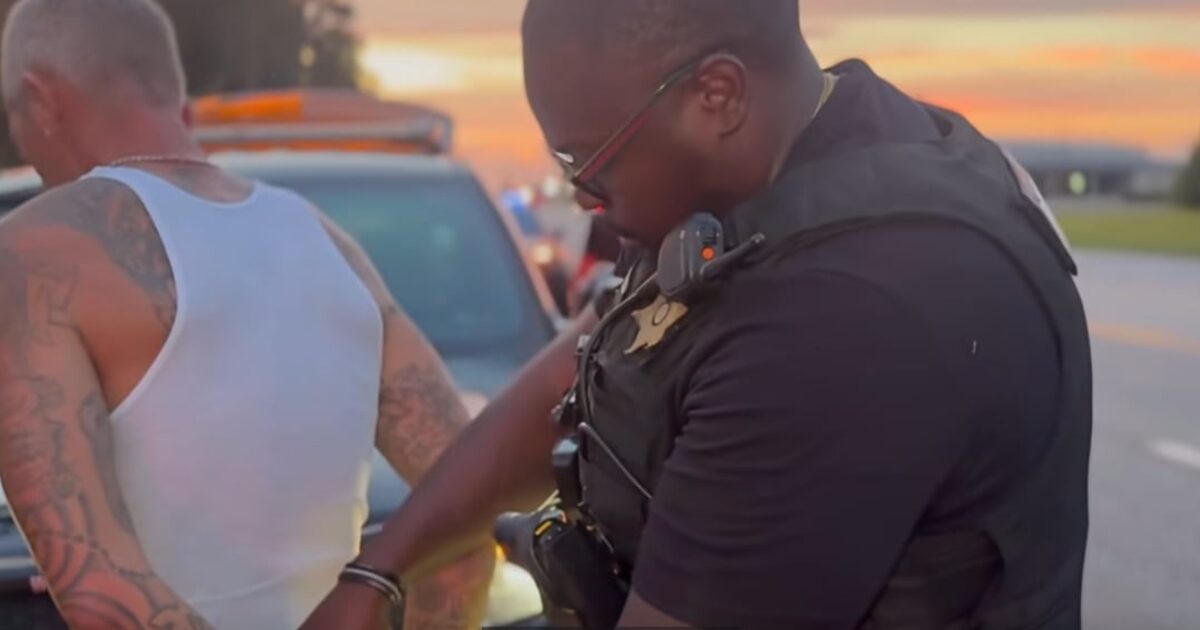
Georgia State Patrol has reported sobering numbers from the opening hours of its Labor Day weekend enforcement push. According to the agency, troopers made 85 DUI arrests, issued 120 seat belt citations, and worked 27 crashes in just the first 12 hours of the holiday period. One of those crashes was fatal.
The deadly incident reportedly happened late on September 4 on South Fulton Parkway, when a pedestrian entered the westbound lanes and was struck by an SUV. Investigators say the pedestrian was flown to a hospital in Atlanta and later pronounced deceased. GSP has described its early findings as preliminary and says the investigation is ongoing. Westbound lanes were closed for roughly two hours as troopers worked the scene.
In a public statement, GSP framed the weekend enforcement effort as focused on behavior change rather than ticket-writing — the point, the agency said, is to get travelers home safely.
Why It Matters Legally
High-volume holiday enforcement periods sit at the intersection of two very different legal tracks: criminal law and civil personal injury law. A DUI arrest launches a criminal case brought by the state, where the driver may face jail time, fines, and license consequences. But that same conduct can also fuel a completely separate civil lawsuit brought by an injured person or a deceased victim's family, seeking money damages for medical bills, lost income, pain, and loss of a loved one.
Pedestrian fatalities raise a distinct set of legal questions. Georgia law generally requires drivers to exercise due care to avoid striking pedestrians, even those who may be crossing outside a crosswalk. At the same time, pedestrians are expected to yield to traffic in certain situations. When investigators indicate — as they reportedly have here — that a pedestrian failed to yield, that early conclusion can shape both any criminal referral and any later civil claim. But preliminary conclusions are just that: preliminary. They can shift as toxicology, witness statements, vehicle data, and lighting or roadway conditions are analyzed.
Lawyers pay close attention to holiday-weekend crash reports because they often illustrate patterns that recur in serious injury cases all year: impaired driving, distracted driving, and pedestrian visibility problems on high-speed roads without adequate lighting or crossings.
Who Could Be Affected
Several categories of people typically have potential legal interests when a holiday crash like this occurs:
- Injured drivers and passengers in the 27 reported crashes may have claims against at-fault motorists, particularly if impairment is later confirmed.
- Pedestrians and cyclists hit by vehicles may have claims even when initial reports suggest they contributed to the crash, depending on how fault is ultimately apportioned.
- Families of people killed in traffic incidents may have wrongful death claims, which in Georgia generally belong first to the surviving spouse, then children, then parents or the estate.
- People charged with DUI face criminal exposure that is separate from — but often linked to — any civil suit brought against them.
- Employers whose workers were driving on the clock could face vicarious liability questions if a company vehicle or work-related trip was involved.
How Cases Like This Generally Work
In a serious pedestrian crash, an attorney reviewing the situation would generally start by trying to preserve evidence. That can include requesting the official traffic crash report, seeking any dashcam or bodycam video from responding troopers, looking for nearby business or traffic cameras, and asking the vehicle's manufacturer or an expert to pull data from the event data recorder (sometimes called the car's "black box").
Toxicology is often central. If a driver was arrested for DUI, blood or breath results may become key civil evidence. If a pedestrian is deceased, a medical examiner's toxicology screen may also be relevant to how fault is divided.
Georgia generally follows a modified comparative fault rule. In plain English: an injured person can typically still recover damages as long as they are found less than 50% at fault, but their recovery is reduced by their share of the blame. So even where early reports suggest a pedestrian stepped into traffic, the analysis is rarely finished until investigators evaluate the driver's speed, attention, sobriety, and reaction time.
Timelines matter. In Georgia, the statute of limitations for most personal injury and wrongful death claims is generally two years from the date of the incident, though exceptions can apply (for example, when a criminal case is pending or when a government entity is involved, which can shorten the time to give notice). Insurance claims often move faster than lawsuits, and initial offers can arrive within weeks.
In a wrongful death case, damages generally fall into two buckets: the "full value of the life" of the person who died, brought by their family, and a separate estate claim for medical bills, funeral costs, and any conscious pain and suffering before death.
What to Watch Next
Readers following this story — or similar ones that tend to emerge every holiday weekend — can generally expect a few kinds of updates:
- A finalized crash report from GSP once the investigation closes, which may revise the preliminary account.
- Possible criminal charges if impairment, distraction, or other unlawful driving is later established.
- Civil filings, which typically appear months later in county state or superior court dockets.
- Insurance activity, which is usually not public but can surface if a lawsuit is filed.
- Cumulative enforcement totals from GSP at the end of the holiday period, which often help policymakers evaluate whether targeted patrols reduced serious crashes.
Frequently Asked Questions
Can a pedestrian's family still sue if the pedestrian was crossing outside a crosswalk?
Generally, yes — being outside a crosswalk does not automatically bar a claim in Georgia. Because the state uses a modified comparative fault rule, a family may still recover damages if the pedestrian is found less than 50% at fault, though the award is typically reduced by the pedestrian's share of blame.
What's the difference between a DUI criminal case and a civil lawsuit after a crash?
A DUI criminal case is brought by the state and can result in jail, fines, or license loss for the driver. A civil lawsuit is brought by the injured person or a deceased victim's family and seeks money for losses like medical bills, lost wages, and grief. The two cases run on separate tracks and can have different outcomes.
How long do families in Georgia generally have to file a wrongful death claim?
Georgia's statute of limitations for wrongful death is generally two years from the date of death, but that window can be paused or shortened in certain situations, such as when a related criminal case is pending or when a government entity may share responsibility. Because deadlines can be complex, families often consult an attorney early.
Does a driver automatically lose a civil case if they were arrested for DUI?
Not automatically. A DUI arrest is strong evidence in a civil case, but the injured party still generally must prove that the driver's impairment or negligence caused the injuries and resulting damages. Some cases also involve shared fault between multiple drivers or a pedestrian.
What kind of evidence matters most in a serious pedestrian crash?
The official crash report, any video from police, traffic, or nearby businesses, vehicle event data, toxicology results, roadway lighting conditions, and witness statements are all typically important. Because much of this evidence can disappear or be overwritten within days or weeks, preservation efforts usually start quickly.
Can a person's family recover damages if their loved one had been drinking?
Possibly. A victim's own alcohol use can affect how fault is apportioned, but it does not necessarily eliminate a claim. The analysis generally turns on whether the driver still had a duty to avoid the collision and whether the victim was less than 50% responsible under Georgia's comparative fault framework.
What should someone do if they were injured in a holiday weekend crash?
Generally, people are encouraged to seek medical care promptly, keep copies of all medical records and bills, avoid giving recorded statements to opposing insurers without advice, and document the scene with photos if possible. For questions about their specific situation, most people consult a licensed attorney in their state.