What Happened
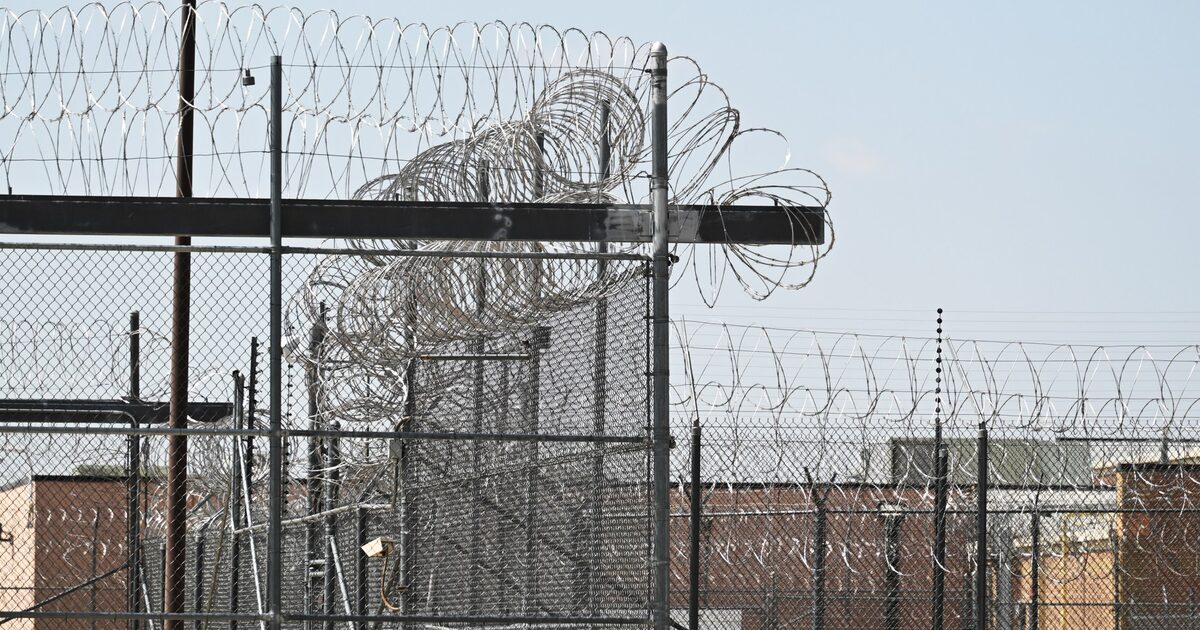
A wrongful death lawsuit has reportedly been filed in Colorado against a private prison company that operates a rural correctional facility under contract with the state. According to news reports, the suit was brought by the mother of a 27-year-old man who was killed inside the prison in early June, along with another inmate in his late 50s. A third inmate was reportedly seriously injured but survived.
According to the reporting, the two men who died were missing for hours before their bodies were located inside the facility in the early morning. The complaint alleges that staff took too long to notice the men were missing, took too long to find them, and delayed calling for medical help for the surviving inmate. Details from the autopsy described in news accounts are graphic and suggest a violent attack; the death was reportedly ruled a homicide by suffocation.
A spokesperson for the prison operator has publicly stated that the company runs the facility in line with its contract, applicable law, correctional standards, and government oversight, and expressed condolences. No suspects have been publicly identified or charged as of the reporting, and the allegations in the civil complaint have not been tested in court.
Why It Matters Legally
Cases involving deaths inside prisons — especially privately operated ones — touch several overlapping areas of law. On the civil side, they often involve wrongful death claims, which generally allow certain family members to sue when a person's death is caused by another party's wrongful conduct or negligence. They can also involve premises liability ideas (the duty of a facility operator to keep people on-site reasonably safe) and negligent supervision or staffing theories.
When the facility is run by a private company under a government contract, plaintiffs sometimes also raise federal civil rights claims under Section 1983, which generally allows lawsuits when a person acting under state authority violates constitutional rights — including, in some cases, the Eighth Amendment right to be free from cruel and unusual punishment. Courts have long recognized that jails and prisons owe a duty to protect people in their custody from known risks of serious harm, though the exact legal standard depends on the claim and the jurisdiction.
Lawyers, journalists, and policy watchers pay close attention to cases like this because they often surface systemic issues: staffing shortages, gaps in monitoring, contraband, and how quickly emergencies are recognized and escalated.
Who Could Be Affected
While every case is different, several broad categories of people may have potential legal claims when something similar happens:
- Family members of incarcerated people who died in custody. Wrongful death laws generally allow surviving parents, spouses, or children to bring claims, depending on the state.
- People who were injured but survived an incident inside a jail or prison. They may have their own personal injury claims.
- Correctional workers who were hurt on the job during an incident. They may have workers' compensation rights and, in some situations, third-party claims.
- Estates of the deceased, which may bring separate "survival" claims for the pain and suffering the person experienced before death.
How Cases Like This Generally Work
A wrongful death case tied to a violent incident inside a facility typically follows a general shape:
- Investigation. Attorneys usually try to gather the incident report, any surveillance video, staffing schedules, use-of-force and incident logs, the autopsy report, 911 or radio traffic records, and prior complaints about the facility. Much of this is not public and may only be obtained through litigation.
- Identifying defendants. Potential defendants can include the company operating the facility, individual employees, and, in some cases, government agencies. Suing a government body often triggers special notice of claim rules with short deadlines.
- Legal theories. Common theories include negligent supervision, negligent hiring or training, understaffing, failure to protect from known risks, and delayed medical response. Federal civil rights theories may also apply when constitutional violations are alleged.
- Statute of limitations. Deadlines to file vary by state and by type of claim. Wrongful death claims frequently have to be filed within one to three years, and civil rights claims often follow the state's personal injury deadline. Missing these windows can permanently bar a case.
- Damages. In wrongful death cases, families generally may seek compensation for losses like lost financial support, loss of companionship, funeral costs, and, in some jurisdictions, the deceased's pre-death pain and suffering. Punitive damages may be available where conduct is alleged to be especially reckless.
- Resolution. Many cases settle before trial, sometimes after months of document exchange and depositions. Others go to trial or are decided on pretrial motions.
What to Watch Next
Readers following this story or similar ones may want to keep an eye on:
- Criminal charges against any suspects identified by investigators.
- State corrections department statements, internal reviews, or audits of the facility.
- Court filings in the civil case — including the operator's answer to the complaint, motions to dismiss, and any early rulings on which claims can proceed.
- Legislative or contract-level responses at the state level, particularly around private prison contracts, staffing minimums, and oversight.
- Similar filings from families of other inmates involved in or affected by the same incident.