What Happened
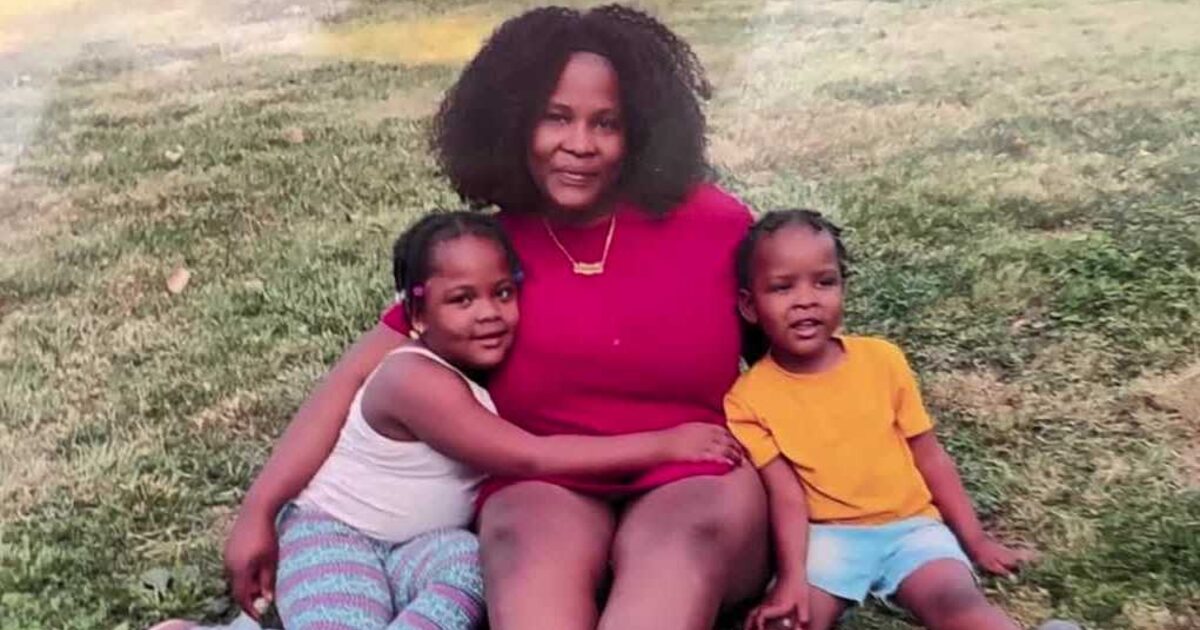
A family in Kansas City, Missouri has reportedly filed a wrongful death lawsuit after their 4-year-old son was struck and killed by a marked Amazon delivery van. According to local reporting, the child was playing on a sidewalk near a park in an east-side neighborhood when he entered the street and was hit by the vehicle. He was reportedly pronounced dead at the scene.
The civil complaint was filed this week in Jackson County Circuit Court. Notably, Amazon itself is not listed as a defendant. Instead, the lawsuit reportedly names the driver and the delivery company that employed her — a third-party contractor described in the filing as an Amazon "Delivery Service Partner," the label Amazon uses for the independent businesses that operate its branded vans.
According to the reports, the complaint alleges the driver failed to see and avoid a small child standing near the location where she had just completed a delivery, and further alleges she failed to stop and render aid. Those are civil allegations that have not been tested in court. Police have reportedly not filed any criminal charges against the driver at this time.
The family is reportedly seeking damages that include funeral and burial costs, along with other losses tied to their son's death.
Why It Matters Legally
Cases like this sit at the crossroads of several areas of personal injury law: motor vehicle negligence, wrongful death, and employer liability. Each piece raises different questions.
A wrongful death claim is a civil lawsuit brought by surviving family members after someone dies because of another party's alleged negligence or wrongful conduct. It's separate from any criminal case. That's why a driver can face a lawsuit even when prosecutors have not brought charges, and why a civil jury can find a defendant financially responsible using a lower standard of proof than a criminal court would require.
The second layer is the employer question. Under a legal doctrine often called respondeat superior (Latin for "let the superior answer"), a company can generally be held responsible for the acts of its employees when those acts happen within the scope of the job. Delivery driving during a route would typically fall inside that scope. On top of that, plaintiffs often bring separate claims for negligent hiring, training, and supervision — arguing the employer itself made choices that helped cause the harm.
The third layer is the one that gets a lot of attention in modern delivery cases: the relationship between a big brand and its subcontractors. Many national logistics networks rely on independent local companies to actually put drivers on the road. Whether a brand can also be held liable often depends on how much control it exercised over the driver's day-to-day work — routes, uniforms, technology, quotas, and safety rules. In this case, reporting indicates the family has chosen to sue the local contractor rather than the national brand.
Who Could Be Affected
Although every case turns on its own facts, incidents like this one echo through several groups of people:
- Families of pedestrians struck by vehicles, especially in residential neighborhoods where delivery activity has grown rapidly.
- Parents of young children, who may not realize how state wrongful death laws work when a child dies in an accident.
- Delivery drivers themselves, who can find themselves personally named in lawsuits even when they were on the clock for a larger company.
- Small logistics contractors that operate under the branding of national retailers, which may carry significant legal exposure without the deep pockets or legal teams of the parent brand.
- Consumers and neighbors in areas with heavy last-mile delivery traffic, who may notice more debate about safety rules, speed, and driver training.
How Cases Like This Generally Work
Civil cases involving a fatal pedestrian crash generally move through a predictable set of steps, even though the details vary.
Investigation and evidence. Lawyers on both sides typically look first at the police crash report, any body-camera or dash-camera footage, 911 audio, and physical evidence at the scene such as skid marks or vehicle damage. In delivery cases, they may also request the vehicle's telematics data — GPS logs, speed, braking events — and the delivery app records showing where the driver had just stopped and what the next task on the route was.
Driver conduct. A key question is generally whether the driver was paying attention, driving at a reasonable speed for conditions, and following traffic laws. Failing to stop after a crash, if proven, can support both civil claims and, potentially, criminal exposure under state hit-and-run statutes.
Employer conduct. Attorneys typically examine the driver's hiring file, training records, prior incidents, hours worked that day, and the pressure the route may have placed on her. If the employer allegedly skipped a background check, ignored red flags, or set unrealistic delivery quotas, those facts can support a negligent supervision theory.
Damages. In a wrongful death case, damages generally include funeral and burial expenses, medical bills before death, and — depending on state law — compensation for the family's grief, lost companionship, and the value of the life lost. Missouri, where this case was reportedly filed, has its own wrongful death statute that spells out who can sue and what can be recovered.
Timelines. Wrongful death claims are subject to a statute of limitations, a deadline for filing. In Missouri, the general wrongful death deadline is three years from the date of death; in Kansas, it's typically two years. Deadlines can shift based on the specific facts, so people in similar situations generally consult a lawyer early rather than waiting.
What to Watch Next
Several things could develop as this case moves forward, and readers may see similar signals in other delivery-related cases:
- A response from the defendants. The driver and the contractor will generally file an answer denying or contesting the allegations, and may raise defenses such as comparative fault.
- A possible decision by prosecutors. Criminal charges have reportedly not been filed, but investigations can continue. Any charging decision would be handled separately from the civil lawsuit.
- An attempt to add the national brand. Plaintiffs in delivery cases sometimes amend their complaints later to add the parent company if discovery reveals a level of control that supports liability.
- Insurance and settlement activity. Many civil cases resolve before trial. Watch for court filings referencing mediation or settlement conferences.
- Policy conversations. Fatal crashes involving branded delivery vehicles often trigger broader debate about training standards, route pressure, and neighborhood safety.