What Happened
A federal criminal case out of southern New Mexico has taken an unusual turn, and the family at the center of it says they never saw it coming.
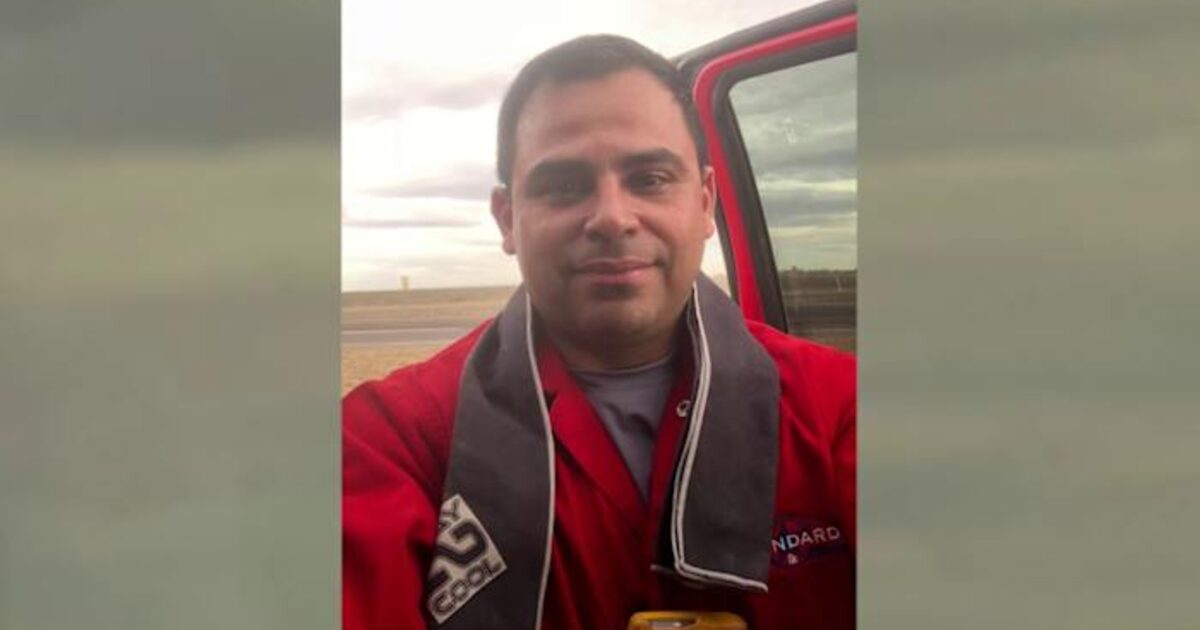
According to reporting from KSAT, two former New Mexico police officers were convicted by a federal jury in February 2025 on criminal civil rights charges connected to the 2021 death of a San Antonio father of five. The man reportedly died after being tased 14 times during a traffic stop in Jal, New Mexico, while he was working an oil field safety job. A third officer reportedly pleaded guilty and testified against the other two.
Sentencing was scheduled for June 2025 but reportedly never took place. Then, in August 2026, the U.S. Attorney's Office filed an unopposed motion asking the court to dismiss all charges against the two convicted officers — after the jury had already returned guilty verdicts. In their filing, prosecutors reportedly said the government had concluded the defendants received an unfair trial and that certain evidence about the victim's drug use and cause of death had been improperly kept out.
The family says they learned of the decision only days before it was filed, during a brief Zoom call with the lead prosecutor. They have since hired their own attorney and filed a motion under the federal Crime Victims' Rights Act, arguing they were not meaningfully consulted. The judge has reportedly appointed a former U.S. attorney to argue against dismissal in court. No ruling has been scheduled.
Why It Matters Legally
Cases like this sit at the intersection of several major areas of law — federal criminal procedure, civil rights, police accountability, and victims' rights. Each of these has its own rules, and they don't always move in the same direction.
On the criminal side, federal prosecutors generally have wide discretion to charge, negotiate, or even walk away from cases. But asking a court to toss a conviction after a jury has already voted to convict is highly unusual. Legal observers may pay close attention because such a move can shape how future civil rights prosecutions of law enforcement are handled.
On the victims' side, federal law — specifically the Crime Victims' Rights Act (CVRA) — generally gives crime victims and their families the right to be reasonably heard, to confer with prosecutors, and to be treated with fairness. When a family says they were told about a major decision only after it was essentially made, that is the kind of situation the CVRA was designed to address.
And on the civil side, the family reportedly already reached a $5 million wrongful death settlement tied to the underlying incident. That civil resolution is separate from the criminal case and generally does not go away just because a criminal conviction is revisited.
Who Could Be Affected
While the specific facts here involve a police-use-of-force death, the legal questions could matter to a much broader group of people, including:
- Families of people killed or seriously injured during encounters with law enforcement, who may pursue both criminal accountability (through prosecutors) and civil claims (through their own attorneys).
- Workers hurt while on the job in high-risk industries, like oil and gas, where third-party incidents can trigger both workers' compensation and separate personal injury claims.
- Crime victims generally, who may not realize they have federal statutory rights to be informed and consulted about major decisions in a federal case.
- Surviving spouses, parents, children, and siblings who may have standing to bring or participate in wrongful death actions depending on state law.
How Cases Like This Generally Work
When a serious injury or death allegedly results from another party's conduct, personal injury lawyers typically look at a few things first:
Evidence of what actually happened. This can include body-camera and dashcam video, 911 audio, autopsy reports, toxicology, use-of-force policies, training records, and witness statements. In workplace-adjacent incidents, employment records and safety documentation also generally matter.
Who the potentially responsible parties are. In a case involving law enforcement, that may include individual officers, their department, and the government entity that employs them. In a workplace context, there may be an employer, a contractor, or a third-party company on site. Each potential defendant has different immunity rules and different insurance coverage.
What legal theories fit the facts. Depending on the situation, these can include wrongful death, negligence, excessive force under federal civil rights law (often referred to as a "Section 1983" claim), or product-related theories if equipment is involved.
Deadlines. Every state sets its own statute of limitations, and claims against government entities often carry much shorter notice deadlines — sometimes as short as a few months. Missing a deadline can generally end a case before it starts.
Parallel proceedings. Criminal cases and civil cases can move at the same time but follow different rules. A criminal conviction can sometimes strengthen a related civil claim, but a civil case generally does not depend on a criminal conviction to move forward. That is one reason civil settlements can be reached even while criminal proceedings are still unfolding.
What to Watch Next
Several things could develop in the coming weeks and months:
- A ruling on the motion to dismiss the convictions. The judge has reportedly appointed outside counsel to argue against dismissal, which suggests the court wants a full airing before deciding.
- A ruling on the family's Crime Victims' Rights Act motion. How the court handles that request could influence how other federal prosecutors consult with victims in the future.
- Any appeal. Whichever side loses on the dismissal question may seek review from a higher court.
- State-level consequences for the officers. Depending on the outcome, there could be separate questions about law enforcement licensing and whether the officers could return to police work.
- Follow-up reporting on internal prosecutorial reviews or policy changes at the U.S. Attorney's Office involved.
Frequently Asked Questions
Can a judge really throw out a conviction after a jury has already found someone guilty?
Generally, yes, but it is unusual. Courts have limited authority to set aside a verdict, typically based on things like legal errors during trial, newly discovered evidence, or a prosecutor's own request. When prosecutors themselves move to dismiss after a guilty verdict, that is considered rare and often draws close judicial scrutiny.
What is the Crime Victims' Rights Act?
The Crime Victims' Rights Act is a federal law that generally gives victims of federal crimes — and, in death cases, their families — certain rights in the criminal process. These typically include the right to be notified of major proceedings, the right to be reasonably heard, and the right to confer with the prosecutor. Victims can generally ask a court to enforce these rights.
If a criminal case gets dismissed, does the family lose their civil settlement?
Generally, no. Civil settlements and criminal prosecutions are separate tracks. Once a civil case has been settled and the paperwork is final, that resolution typically stands regardless of what happens later in a related criminal case.
Can families sue police officers and departments after an in-custody death?
In many situations, yes. Families may bring wrongful death claims under state law and civil rights claims under federal law, though officers and agencies can raise defenses like qualified immunity. Outcomes generally depend on the specific facts, the evidence available, and the jurisdiction.
How long do families usually have to file a wrongful death claim?
Deadlines vary widely by state and by the type of defendant. Many states set a general wrongful death deadline of one to three years, but claims against government agencies often require formal notice much sooner — sometimes within months. Because these deadlines can be strict, families generally consult a lawyer as early as possible.
Does a $5 million settlement mean fault was admitted?
Not necessarily. Civil settlements often include language stating that no party admits liability. A settlement generally reflects a negotiated resolution of disputed claims, not a formal finding of guilt or fault.
What happens if the officers' convictions are dismissed?
If a court grants a dismissal, the defendants would generally no longer stand convicted of the specific charges at issue. Depending on the ruling, prosecutors might be able to retry the case, appeal, or close the matter entirely. Any state-level licensing or employment consequences would generally be handled through separate processes.
Where can readers follow updates on cases like this?
Court filings in federal cases are generally available through the PACER system, and local news outlets often track major hearings. For general background on victims' rights, the U.S. Department of Justice publishes public resources describing what the Crime Victims' Rights Act typically covers.