What Happened
A Florida state attorney's office in Martin County has reportedly closed out a criminal case tied to a March single-vehicle rollover crash near Jupiter Island by accepting a plea to reckless driving rather than driving under the influence (DUI). According to reporting from WPBF, the driver — a well-known professional golfer — pleaded no contest to the reduced charge, paid a $1,500 fine, and lost his driver's license for five years.
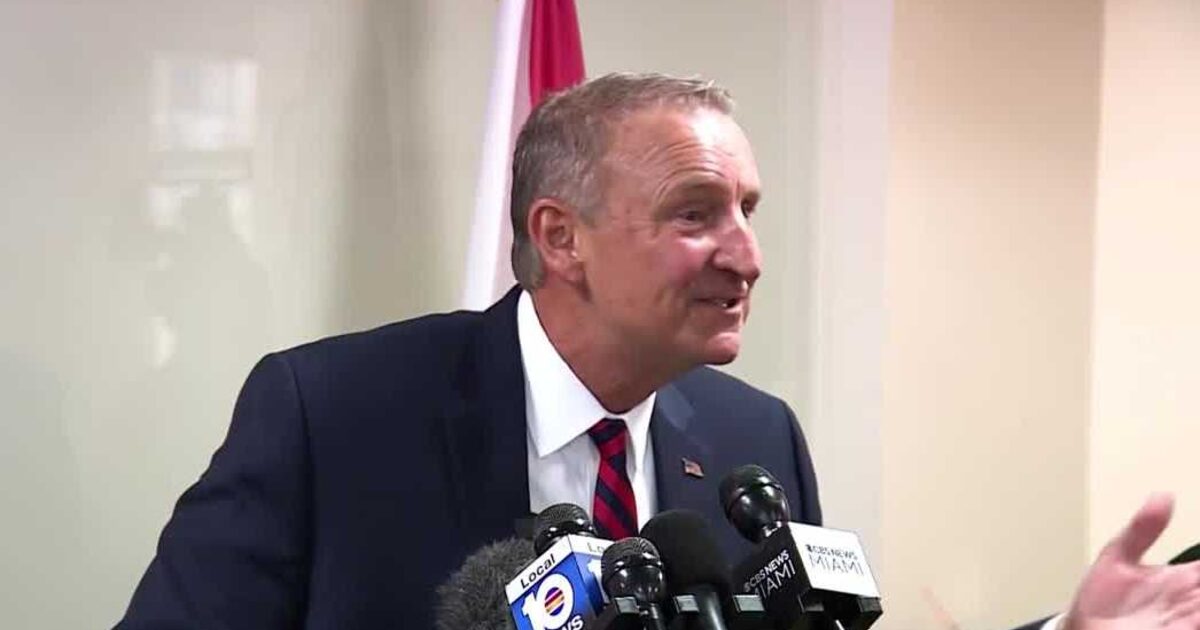
The prosecutor publicly explained that pursuing the original DUI charge was complicated by two factors. First, the driver reportedly declined a urine test at the scene, which limited the chemical evidence available. Second, toxicologists and treating physicians reportedly concluded that after a long history of back and leg surgeries, the driver had built up a significant tolerance to hydrocodone, a prescription opioid painkiller. In the prosecutor's own framing, if tolerance meant the drug did not measurably impair the driver's ability to operate a vehicle, a jury could not be asked to convict on DUI.
The state attorney reportedly acknowledged that some members of the public may view the outcome as favorable treatment for a celebrity, but said the office followed the facts and the applicable law.
Why It Matters Legally
This case sits at the intersection of criminal law and personal injury law — two systems that often look at the same crash through very different lenses.
On the criminal side, DUI is not just about whether a driver had a substance in their system. In most states, prosecutors must prove that the substance actually impaired the person's normal faculties or driving ability. That is a higher bar than showing a positive test result. When the substance at issue is a legally prescribed medication, tolerance, dosage, timing, and medical necessity all become fair game for the defense.
On the civil side — where personal injury law lives — the standard is different. A jury in a civil case generally decides claims by a "preponderance of the evidence," which is often described as "more likely than not." That is a meaningfully lower threshold than the criminal "beyond a reasonable doubt" standard. So a driver who cannot be convicted of DUI could still, in theory, be found civilly liable for negligence or recklessness if someone was hurt.
Refusing a chemical test also has its own layered consequences. In Florida and many other states, refusal can trigger administrative penalties like an automatic license suspension under implied-consent rules, even without a criminal conviction.
Who Could Be Affected
Cases with this shape can touch several categories of people, including:
- Passengers in a vehicle driven by someone who may have been impaired by medication, alcohol, or illegal substances.
- Other drivers, cyclists, and pedestrians who are hit by a vehicle in circumstances suggesting impaired or reckless operation.
- Family members of someone seriously injured or killed in a crash, who may have wrongful death or loss-of-consortium claims under state law.
- Property owners whose fences, mailboxes, landscaping, or vehicles are damaged by an out-of-control car.
- First responders and Good Samaritans who are injured while helping at a crash scene.
How Cases Like This Generally Work
When a personal injury attorney evaluates a crash that may involve prescription medications or impairment, they typically look at a familiar set of building blocks.
Scene and vehicle evidence. Photos of the crash, skid marks, vehicle damage patterns, and any dashcam or bodycam footage generally help establish how the collision happened. In a rollover, engineers may examine speed, steering inputs, and roadway conditions.
Medical and pharmacy records. If a driver's medication is at issue, records showing prescriptions, dosages, and refill history can be relevant. So can records showing whether warnings about driving while taking the drug were given.
Toxicology and expert testimony. Toxicologists may weigh in on blood or urine levels, half-life of a drug, and — importantly — whether tolerance from long-term use changes how the drug affects a specific person. Experts on both sides often disagree, which is why cases like this can be fact-intensive.
Witness statements. Statements from other motorists, passengers, or bystanders about the driver's behavior before and after the crash can matter, especially when chemical testing is limited.
The driver's own admissions and conduct. A plea to reckless driving is not a confession to impairment, but the underlying facts admitted in court records may still be usable in a civil case in some jurisdictions.
Timelines. Personal injury claims are subject to statutes of limitations that vary by state and by type of claim. In Florida, for example, the deadline to file most negligence lawsuits was shortened in recent years, so acting quickly is generally important. Wrongful death claims usually have their own separate clock. Anyone potentially affected should typically speak with a licensed attorney in their state to confirm the deadline that applies to their situation.
Insurance layers. Auto insurance, umbrella policies, and — where applicable — homeowner's or employer coverage may all come into play. Some policies limit or exclude coverage for intentional or criminal conduct, which is one reason the criminal charge label (DUI vs. reckless driving) can indirectly affect the money side of a civil claim.
What to Watch Next
Even after a criminal case wraps up, related developments can continue for months or years. In cases like this, follow-up reporting or court records may reveal:
- Any civil lawsuits filed by people who claim they were harmed, whether physically, emotionally, or financially.
- Administrative decisions from the state's motor vehicle agency regarding the license suspension.
- Public commentary from prosecutors or defense counsel clarifying what the plea does and does not admit.
- Any policy conversations about how prosecutors handle prescription-drug DUI cases, especially where tolerance is claimed.
- Insurance-related filings, which sometimes surface in court dockets when carriers dispute coverage.