What Happened
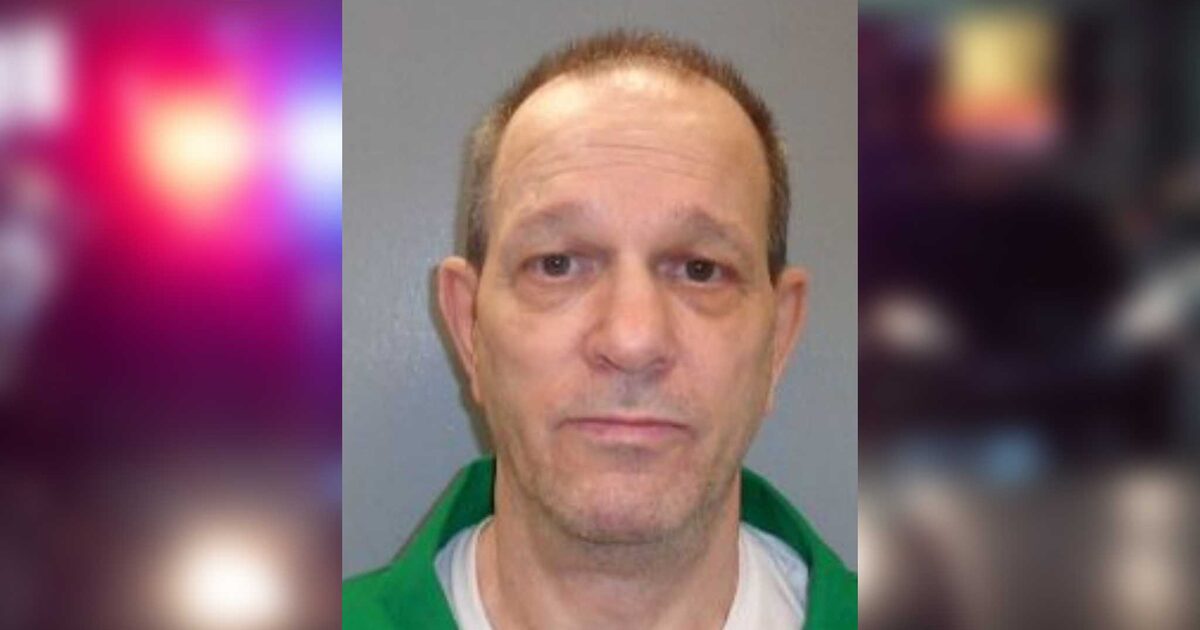
South Carolina corrections officials have reported that a man on the state's death row died earlier this week at a Columbia-area correctional facility after what officials described as an extended illness. He was 66 years old and had been in state custody for years following a 2008 death sentence.
According to reports, the man had been convicted of murder, first-degree burglary, and a serious assault charge in connection with the 2006 shooting death of his estranged wife. Reports indicate the shooting happened inside her home in front of a teenage family member, and that he was allegedly out on bond for earlier charges involving the same victim at the time. He was reportedly captured after hiding in a wooded area for about two weeks.
Officials have said an autopsy will be performed. As of publication, no cause of death has been publicly confirmed.
Why It Matters Legally
On its face, this is a news update about someone dying in prison. But in-custody deaths — even of people convicted of serious crimes — sit at the intersection of several important legal areas.
First, there is correctional medical care. Prisons and jails generally have a constitutional duty to provide adequate medical treatment to people in their custody. When an incarcerated person dies of an illness, investigators and, sometimes, family members may look at whether care was timely and appropriate.
Second, there is the autopsy and death-investigation process. State law generally requires an independent examination when someone dies in custody, and the resulting records can become important in later civil or administrative proceedings.
Third, the death of a defendant can affect ongoing appeals and civil litigation. In many states, when a person dies while their case is still on direct appeal, courts may dismiss the appeal or vacate the underlying conviction under a doctrine sometimes called "abatement." The exact rule varies by jurisdiction and by how far the case has progressed.
Finally, this kind of story is a reminder to the public that the families of crime victims have their own legal interests — including in restitution, victim-impact processes, and, in some circumstances, civil claims that outlive the criminal case.
Who Could Be Affected
Cases like this can touch several different groups of people, each with different legal questions:
- Families of people who die in custody. They may want answers about medical care, timelines, and whether policies were followed. In some situations, they may have standing to pursue a civil rights or wrongful death claim.
- Families of the original crime victim. They may be watching for how the death affects any pending appeals, restitution orders, or civil judgments. A defendant's death does not automatically erase a civil judgment obtained during their lifetime.
- Witnesses and surviving household members, especially those who were children at the time of a violent crime. They may have ongoing rights under state victims' services laws, including access to updates about the offender's status.
- Correctional staff and healthcare contractors, who may be interviewed as part of the internal review.
- Other incarcerated people, whose care and conditions can be indirectly affected by how a facility responds to a death.
How Cases Like This Generally Work
When an incarcerated person dies, a fairly predictable sequence usually unfolds — though the details vary by state.
Step 1: Notification and preservation. The correctional agency generally notifies next of kin and preserves the scene and records. Medical charts, medication logs, and staff notes typically become key evidence if questions arise later.
Step 2: Autopsy and cause-of-death determination. A medical examiner or coroner generally performs an independent examination. The report can take weeks or months and may be supplemented by toxicology results.
Step 3: Internal and external review. The corrections department typically conducts its own review, and depending on the state, an outside agency or ombudsman may also look at the facts. If foul play or serious neglect is suspected, law enforcement may open a separate investigation.
Step 4: Civil evaluation, if applicable. If a family believes medical care fell below constitutional or professional standards, an attorney would generally look at three things: (1) what the person's known medical conditions were, (2) what care was actually provided and when, and (3) whether delays or denials of care contributed to the death. Federal civil rights claims and state wrongful death claims often have their own separate deadlines, sometimes as short as one to two years.
Step 5: Effect on the criminal case. If the person still had appeals pending, courts will address how the death affects those proceedings. In some states, a pending direct appeal that never gets decided can result in the conviction being set aside; in others, the conviction stands. This can matter to victims' families who rely on the conviction for civil remedies.
Across all of these steps, documentation is everything. Grievance forms filed by the incarcerated person before death, sick-call requests, and prior medical transfers are the kinds of records lawyers generally look for first.
What to Watch Next
Follow-up reporting on stories like this often includes:
- The autopsy findings, once released, and any statement from the medical examiner's office.
- Any statement from the corrections department about the person's medical history and the care provided.
- Court filings addressing pending appeals or post-conviction petitions and whether they will be dismissed as moot.
- Statements from the original victim's family, who may speak publicly about closure, restitution, or ongoing civil matters.
- Legislative or oversight interest, especially if a pattern of in-custody deaths at a particular facility draws attention from lawmakers or advocacy groups.