What Happened
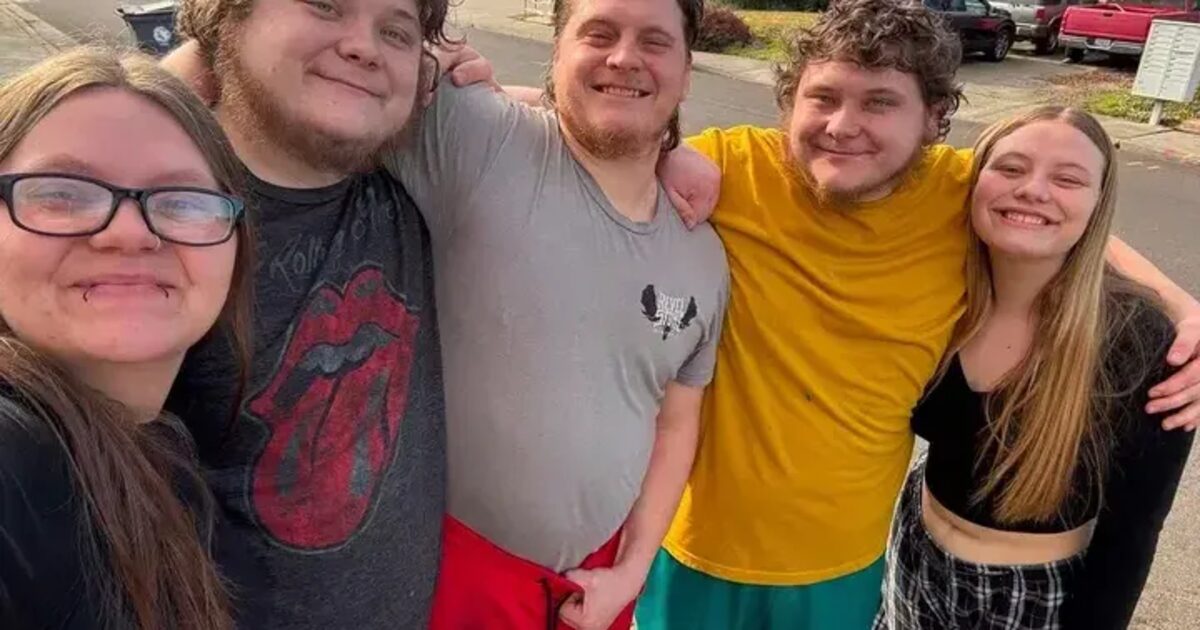
A young wildland firefighter in southern Oregon reportedly died in a motorcycle crash on August 1, according to local news coverage. The crash is said to have happened in the afternoon at an intersection off Old Stage Road, not far from his home.
According to the reporting, the rider had just come back from a fire assignment and was on his motorcycle running an errand — reportedly on his way to cash a paycheck — when the crash occurred. His family has since set up an online fundraiser to help cover funeral costs and other expenses, and his mother spoke publicly about the loss.
At this stage, the news coverage does not describe fault, charges, or any civil filing. What follows is a general legal explainer for readers who want to understand how situations like this are typically handled — not a statement about this specific case.
Why It Matters Legally
Fatal traffic crashes sit at the intersection of several different legal areas. Even when no one is charged with a crime, a family may still have civil options. Lawyers who handle personal injury and wrongful death work generally look at incidents like this through a few different lenses:
- Wrongful death law, which allows certain surviving family members to seek compensation when someone dies because of another party's negligence or misconduct.
- Motor vehicle negligence, which covers things like unsafe turns, failure to yield, distracted driving, speeding, or impaired driving.
- Roadway and premises issues, which can come into play if an intersection was poorly designed, poorly maintained, or missing signage.
- Insurance law, including the injured party's own coverage (like uninsured/underinsured motorist protection) as well as the other driver's policy.
Who Could Be Affected
When a rider is killed in a crash, several categories of people may have questions about their legal position. In general terms, this can include:
- Spouses, children, and parents of the person who died, who may be recognized as beneficiaries under state wrongful death statutes.
- The estate of the person who died, which is typically the entity that formally brings a wrongful death case through a personal representative.
- Other drivers or passengers involved in the same crash, who may have their own injury claims.
- Employers, in some situations — for example, if the person was working at the time of the crash, workers' compensation issues may also come into play. (Whether a commute or errand counts as "on the job" is fact-specific and often disputed.)
How Cases Like This Generally Work
Every case is different, but wrongful death cases arising from motor vehicle crashes tend to follow a recognizable path.
1. Investigation and evidence gathering. Law enforcement usually prepares a crash report, which may include diagrams, witness statements, and preliminary conclusions about how the crash happened. Attorneys often supplement that with their own investigators, who may look at skid marks, debris fields, vehicle damage, traffic camera or nearby doorbell footage, and cell phone records if distracted driving is suspected.
2. Identifying potential responsible parties. In a two-vehicle crash, the other driver is the most obvious party to examine, but responsibility isn't always limited to one person. A commercial employer, a vehicle or parts manufacturer, a bar or host who over-served an impaired driver, or a government entity responsible for road design can sometimes share responsibility, depending on the facts.
3. Comparative fault analysis. Oregon, like Washington, uses a comparative fault system. Generally, that means a claim can still move forward even if the rider is found partly responsible, as long as their share of fault is not greater than the other party's. Any recovery is typically reduced by the rider's percentage of fault.
4. Insurance and damages. Damages in a wrongful death case can generally include funeral and burial costs, lost future earnings, medical bills from any care before death, and the loss of companionship or guidance for close family members. Insurance policies — both the at-fault driver's and the rider's own underinsured motorist coverage — often determine what is actually collectible.
5. Timelines. Oregon generally gives families three years from the date of death to file a wrongful death lawsuit, and Washington generally allows three years as well. Claims against public entities (like a city or state agency responsible for a roadway) often require formal notice much sooner — sometimes within just a few months. These deadlines are strict, which is why families are often encouraged to at least understand their timeline early, even if they aren't ready to make decisions.
What to Watch Next
In the coming weeks and months, follow-up reporting on a crash like this may include:
- The final crash investigation report from the responding agency.
- Any traffic citations or criminal charges, if investigators conclude another driver acted unlawfully.
- A civil filing in state court, if the family and the estate choose to pursue one.
- Announcements about safety reviews at the intersection, especially if community members raise concerns about visibility, signage, or the history of crashes there.
- Insurance settlement activity, which is often confidential but sometimes surfaces in public filings.
Frequently Asked Questions
Who can bring a wrongful death claim in Oregon?
Generally, a wrongful death claim in Oregon is filed by the personal representative of the person who died, on behalf of surviving family members like a spouse, children, or parents. The specific list of eligible beneficiaries is set by statute, and an attorney can usually clarify who fits.
How long do families usually have to file a wrongful death lawsuit?
In Oregon, the general deadline is three years from the date of death, and Washington's is similar. However, if a government entity might be responsible — for example, for road conditions — a much shorter notice deadline may apply, sometimes only a few months.
Does it matter if the motorcyclist was partly at fault?
It can, but it does not automatically end a case. Oregon and Washington both use modified comparative fault, meaning a claim can generally proceed if the rider's share of fault is not greater than the other party's, though any recovery is typically reduced by that percentage.
What kinds of damages are usually available in a motorcycle wrongful death case?
Damages generally may include funeral and burial expenses, medical bills from any treatment before death, lost future income, and the loss of companionship, care, and guidance for close family. Some cases also involve punitive damages if the other party's conduct was especially reckless.
Is a family's fundraiser or GoFundMe considered by insurance companies?
Community fundraisers are generally treated as gifts and typically do not reduce what an insurance company owes on a valid claim. That said, insurers sometimes look at public statements and social media, so families are often advised to be careful about what they post publicly while a claim is pending.
Could workers' compensation apply if the person was traveling for work?
Possibly. Whether a trip counts as "in the course of employment" is very fact-specific. Errands run on personal time generally are not covered, but travel that's part of a work assignment sometimes can be. This is an area where a lawyer's review of the facts is usually needed.
What should families avoid doing after a fatal crash?
In general, families are cautioned not to sign releases from insurance companies, cash early settlement checks, or give recorded statements before understanding their rights. They also may want to preserve the motorcycle, helmet, and any electronic devices, since those items can be important evidence.
Do families have to sue to get answers?
Not always. Crash reports, agency investigations, and insurance claim processes can sometimes provide answers without a lawsuit. A civil case is one option among several, and many claims resolve through negotiation rather than trial.