A north Georgia sheriff's office is once again in the spotlight after three more deputies reportedly stepped down during an internal review of how the agency uses its Flock Safety license plate reader network. The resignations are part of a broader wave of similar investigations across the state, and they raise important questions about privacy, accountability, and what everyday people can do when police surveillance tools are allegedly misused.
Below is a plain-English breakdown of what the news reports describe, why it matters legally, and how cases involving surveillance misuse generally take shape.
What Happened
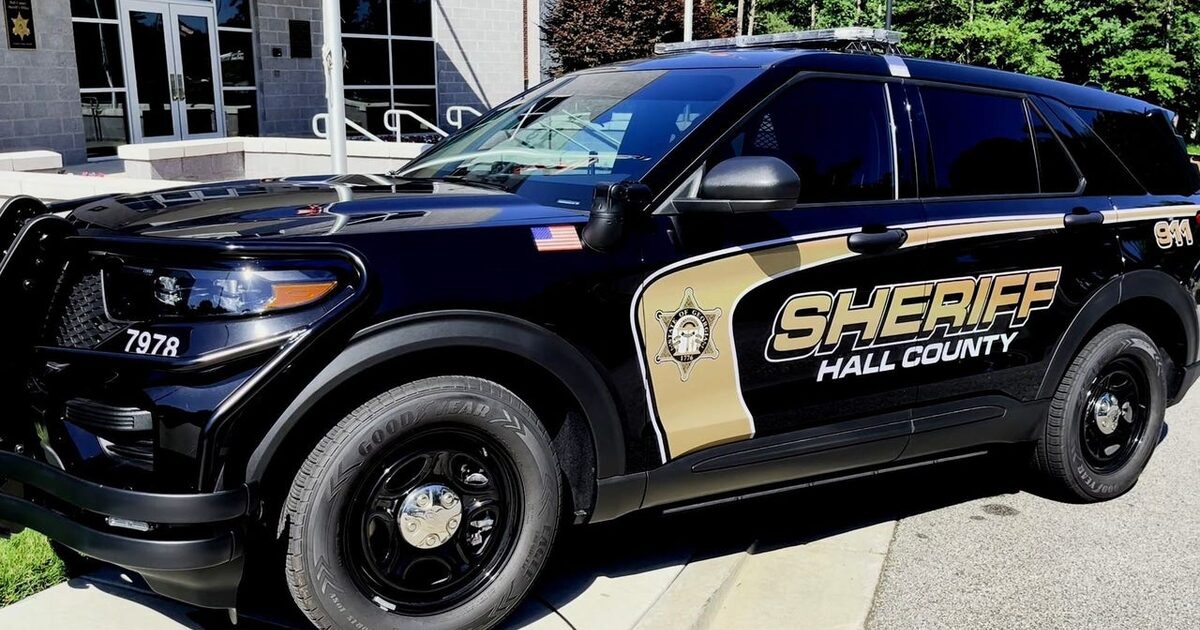
According to reports from a local news outlet, three deputies at the Hall County Sheriff's Office in Georgia resigned while under internal investigation tied to an ongoing audit of the department's Flock Safety license plate reader system. The audit reportedly turned up three separate issues: one deputy allegedly ran roughly ten searches on behalf of a co-worker who did not have system access, a second deputy allegedly asked for lookups on people she personally knew, and a third deputy allegedly used the system twice for personal reasons unrelated to police work, in the wake of an unrelated arrest for allegedly making harassing phone calls.
The agency has reportedly said it will refer each matter to the Georgia Peace Officer Standards and Training (POST) Council, which handles police certification issues. Internal Affairs is said to be continuing its agencywide audit.
These resignations come during a difficult year for the agency, whose elected sheriff has faced his own high-profile legal issues, including a DUI arrest and a governor-ordered suspension. Reporting also indicates that more than 40 people across Georgia have been accused of misusing Flock technology, spanning multiple counties and city police departments.
Why It Matters Legally
Automated license plate readers (ALPRs) like the Flock system capture and store data about the vehicles that pass a camera, including plate numbers, times, and locations. When police agencies deploy them, they usually adopt written policies restricting searches to legitimate law enforcement purposes.
Allegations that officers ran searches for personal reasons — for example, to check up on a romantic partner, an ex, a neighbor, or an acquaintance — generally touch on several overlapping legal areas:
- Privacy law, including state statutes that specifically restrict how license plate data can be used.
- Civil rights law, particularly federal claims under 42 U.S.C. § 1983 when a government employee allegedly abuses official power.
- Common law torts, such as intrusion upon seclusion or intentional infliction of emotional distress.
- Employment and police-certification law, which govern whether an officer keeps their job and their license to serve.
Who Could Be Affected
Several categories of people could, in general, have legal interests when a surveillance database is allegedly misused:
- People whose plates or movements were reportedly searched without a legitimate law enforcement reason. They may be victims of a privacy intrusion even if they never knew it happened at the time.
- Domestic violence survivors, stalking victims, or people in contested custody situations whose location data may have been shared with someone who wanted to find them.
- Community members generally, who may have an interest in how their local government uses surveillance tools and audits them.
- Employees of the agency who may be witnesses or subjects of internal investigations.
How Cases Like This Generally Work
Cases involving alleged misuse of law enforcement databases tend to follow a fairly predictable arc, though every situation is different.
1. Audit trails and internal investigations. Systems like Flock generally keep detailed logs of who searched what, when, and why (with a required "reason" field). Internal affairs units typically start by pulling those logs and comparing them to case files, dispatch records, and reported reasons.
2. Referral to outside agencies. When the alleged misuse looks criminal, agencies often refer the matter to a state investigative body — in Georgia, frequently the Georgia Bureau of Investigation (GBI). Police-certification bodies like the POST Council can also review whether the officer should keep their credentials.
3. Potential criminal charges. In several recent Georgia cases, officers have reportedly faced charges such as violation of oath of office (a felony in Georgia) and misdemeanor counts tied to statutes limiting how license plate data can be retained or used. Whether charges follow depends on prosecutorial discretion and the strength of the evidence.
4. Civil claims. Separately, a person whose data was allegedly accessed improperly may, depending on jurisdiction, pursue civil claims. A plaintiff's lawyer would generally look at: what data was accessed, who accessed it, whether the person suffered harm (harassment, stalking, emotional distress, financial loss), and whether the agency's policies or training were adequate.
5. Timing rules. Statutes of limitations for privacy and civil rights claims vary widely by state and by claim type — often ranging from one to four years. Missing a deadline can generally end a case before it starts, which is why timelines matter.
Evidence that typically becomes important includes the audit logs themselves, the officer's reported justification for each search, internal affairs findings, agency policies, training records, and any communications between the officer and third parties.
What to Watch Next
Readers following this story or similar ones may want to keep an eye on several developments:
- Whether the state POST Council imposes sanctions such as suspension or revocation of certification.
- Whether the GBI or a district attorney's office files criminal charges related to the alleged searches.
- Whether individuals whose data was allegedly accessed are notified, and whether any civil lawsuits are filed.
- Whether local governments revisit their contracts with Flock Safety or adopt tighter oversight rules.
- Follow-up reporting on the broader statewide audit, which reportedly has already implicated dozens of officers and civilian staff across multiple agencies.