What Happened
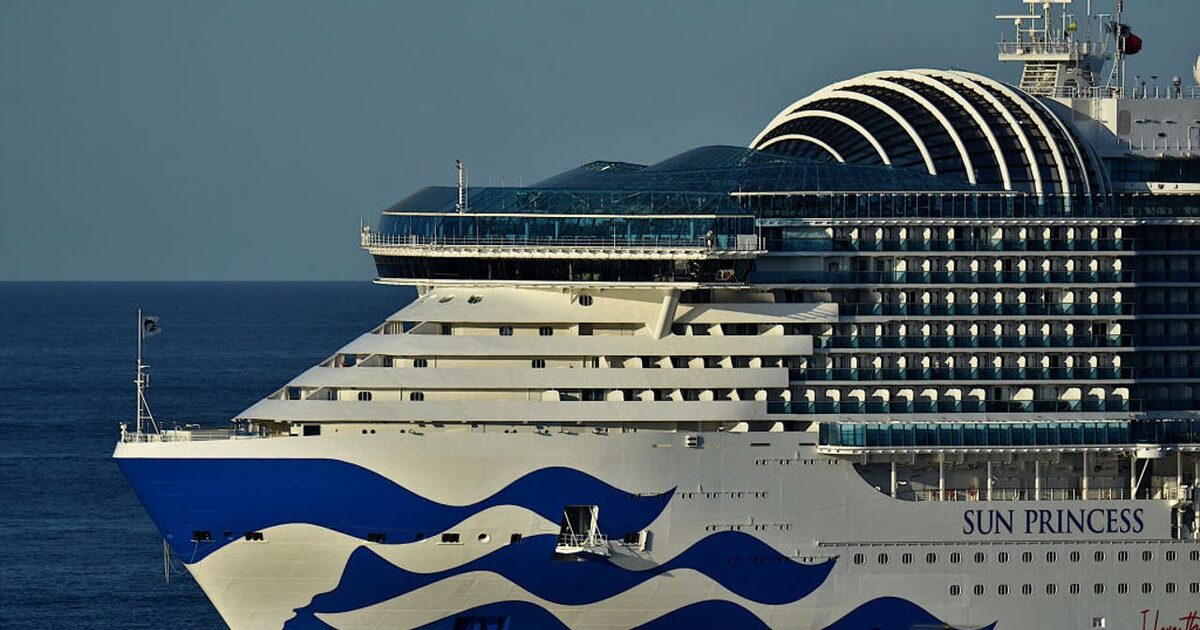
A Minnesota pastor reportedly died earlier this month after suffering a severe spinal cord injury and nearly drowning during a cruise vacation in Italy. According to news reports and a family fundraising page, the passenger was aboard a large cruise ship in mid-August, traveling to celebrate his son's wedding, when he was found face down and unresponsive in one of the ship's pools.
Ship medical staff reportedly responded and stabilized him before he was transferred ashore. He was then taken by Italian Coast Guard vessel to a hospital in Naples, where he underwent emergency spinal surgery in the intensive care unit. The family said the surgery was successful but that his spinal injuries remained critical. After roughly a week of overseas care and complex arrangements for international medical transport, he was reportedly flown to a major medical center in Minnesota for further treatment. He died in early September, surrounded by family, according to posts shared by his church and loved ones.
The cruise line publicly expressed condolences and confirmed that its crew responded to a medical emergency onboard. No cause has been officially determined in public reporting, and no lawsuit has been reported at this time.
Why It Matters Legally
Incidents on cruise ships sit at a somewhat unusual intersection of laws. When a passenger is injured or dies at sea — even on a vacation booked from the United States — the case is generally governed by maritime law (sometimes called admiralty law) rather than the ordinary personal injury rules of the state where the passenger lived. Federal courts often handle these disputes.
Maritime law matters here for several reasons:
- Duty of care. Cruise lines generally owe passengers a duty of "reasonable care under the circumstances." That can include pool safety, lifeguard staffing (or clear warnings that none is present), slip hazards, medical response time, and emergency evacuation procedures.
- Ticket contracts. The passenger ticket is a contract, and it typically contains a lot of fine print that shapes any future claim. Courts have generally enforced these contract terms, so they matter enormously.
- Cross-border complications. When something happens in foreign waters or a foreign port, victims and families may have to navigate care in another country before any legal question can even be considered.
Who Could Be Affected
While every case is different, the general lessons from a cruise ship incident like this one can matter to a wide range of people, including:
- Cruise passengers and their families, especially those who suffer slips, falls, near-drownings, or medical events onboard.
- Travelers on international vacations, who may face confusing questions about where an injury "happened" for legal purposes.
- Families of someone who dies away from home, who may need to think about wrongful death claims, medical evacuation costs, and repatriation.
- Group travelers — wedding parties, church groups, family reunions — where multiple people witnessed an incident and may later be asked to describe what they saw.
- Anyone who purchased travel insurance, which can be a significant financial factor when overseas medical transport is involved.
How Cases Like This Generally Work
In the personal injury umbrella, a cruise ship claim typically follows a general pattern, though every case turns on its own facts.
1. Preservation of evidence. Because the incident happens in a controlled environment owned by the cruise line, evidence like surveillance video, deck logs, medical records from the ship's infirmary, and crew statements is generally in the company's hands. Lawyers often send early preservation letters so this material is not lost or overwritten.
2. Review of the ticket contract. The passenger ticket usually spells out:
- A shortened deadline to file suit — often one year from the date of injury or death, rather than the two- or three-year window common in state personal injury law.
- A notice requirement — sometimes as short as six months — for putting the cruise line on written notice of a claim.
- A forum selection clause requiring any lawsuit to be filed in a specific federal court, frequently in the city where the cruise line is headquartered.
Missing any of these deadlines can generally bar a claim entirely, which is why time-sensitivity is a hallmark of maritime injury work.
3. Investigation of what happened. For a pool-related incident, investigators generally look at things like: whether lifeguards were on duty, whether warning signs were posted, pool depth and visibility, drain and suction issues, alcohol service policies, and how quickly medical staff responded.
4. Medical and damages workup. In a case involving a serious spinal injury followed by death, the potential damages typically include medical bills (which can be enormous when international transport is involved), lost income, and, in wrongful death cases, losses to surviving family members. Maritime law has its own framework for wrongful death, and the categories of recoverable damages can differ from state law.
5. Negotiation, mediation, or trial. Many cruise injury cases are resolved through negotiation or mediation, but some proceed to federal court trial. The process can take a year or more.
What to Watch Next
Readers following stories like this can generally expect to see, in the weeks and months ahead:
- Any statements from the cruise line about its onboard safety protocols or the results of an internal review.
- Possible involvement of foreign authorities where the incident occurred, since the port state may have its own inquiry.
- Whether the family chooses to pursue a civil claim, and if so, in what court.
- Broader industry attention to pool safety on large cruise ships, an issue that periodically resurfaces after high-profile incidents.
- Any public information about medical evacuation costs, which can highlight the role of travel insurance for future travelers.
Frequently Asked Questions
Q: If someone is injured on a cruise ship, does U.S. state law apply?
A: Generally, no — not directly. Cruise ship injuries usually fall under federal maritime law, even if the passenger boarded in a U.S. port. State personal injury rules, including state statutes of limitations, often do not control these cases.
Q: How long do families typically have to sue a cruise line?
A: Cruise ticket contracts commonly require any lawsuit to be filed within one year of the injury or death, and may require written notice of the claim even sooner. These deadlines are generally much shorter than ordinary personal injury timelines, so time is a critical factor.
Q: Can a cruise line be held responsible for a pool accident?
A: Potentially, yes. Cruise lines generally owe passengers reasonable care, which can include adequate supervision, warnings, and prompt medical response. Whether responsibility exists in any specific case depends on the facts, and liability is never automatic.
Q: Do cruise ships usually have lifeguards on duty?
A: It varies. Some major cruise lines have added lifeguards in recent years, while others rely on signage warning that no lifeguard is present. The absence of a lifeguard, on its own, does not automatically create legal liability, but it can be a relevant factor.
Q: What happens if someone dies overseas on vacation?
A: Families generally have to coordinate with foreign hospitals, local authorities, the U.S. embassy or consulate, and often a specialized medical transport company. These logistics are separate from any legal claim and can be costly, which is one reason travel insurance is often recommended.
Q: Where would a lawsuit against a cruise line typically be filed?
A: Most major cruise ticket contracts contain a forum selection clause requiring suit in a specific federal court — often in the city where the cruise line is headquartered. Courts have generally enforced these clauses, meaning passengers usually cannot sue in their home state.
Q: What kind of evidence matters most in a cruise ship injury case?
A: Onboard video footage, medical records from the ship's clinic, crew incident reports, witness statements, and photographs of the scene are generally central. Because most of this evidence is controlled by the cruise line, attorneys typically send preservation requests early.
Q: Is this article legal advice for my situation?
A: No. This is a general explainer for the public. Anyone facing a specific injury, death, or cruise-related incident should consult a licensed attorney who handles maritime or personal injury cases in the relevant jurisdiction.