A late-night pedestrian death in Houston is once again drawing attention to how Texas law treats crashes between vehicles and people on foot — especially when the pedestrian was crossing outside a marked crosswalk. Below is a general, plain-English explainer of what a case like this typically involves. This is educational information, not legal advice.
What Happened
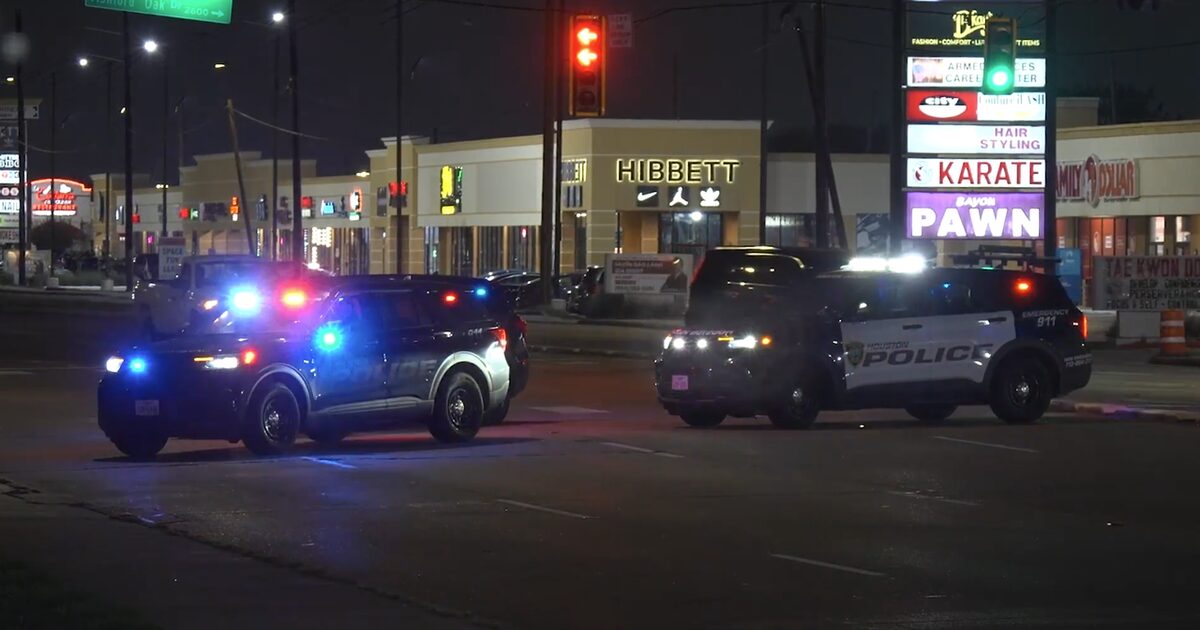
According to local reporting, a woman was struck and killed by a vehicle late Saturday night on Westheimer Road, near South Dairy Ashford Road in Houston. Reports indicate the incident occurred around 11:50 p.m., when the woman was reportedly attempting to cross the road with a group of friends on their way to a nightclub.
She was reportedly transported to a hospital in critical condition and later pronounced deceased. Police stated that the group was not using a designated crosswalk at the time. The driver reportedly stayed at the scene, was detained and questioned, and did not appear to be intoxicated. As of the initial reporting, it was unclear whether the driver had been arrested, and neither the driver nor the pedestrian had been publicly identified.
Because details remain limited, everything below is written in general terms about how incidents like this are typically handled — not a comment on this specific case or anyone involved.
Why It Matters Legally
A fatal pedestrian crash usually sits at the intersection of several different areas of law:
- Traffic and criminal law. Police investigators generally look at whether the driver violated any traffic laws, was impaired, was distracted, or was driving in a way that could support a criminal charge such as criminally negligent homicide or manslaughter. In many cases, no charges are filed if the driver was sober, stayed at the scene, and cooperated — but that determination usually takes weeks and often depends on reconstruction evidence.
- Civil personal injury and wrongful death law. Separate from any criminal case, the family of a person killed in a crash may have the right to file a civil claim seeking compensation for losses like funeral expenses, lost financial support, and the loss of companionship.
- Insurance law. Auto liability coverage, uninsured/underinsured motorist coverage, and sometimes commercial coverage (if the vehicle was being used for work or rideshare) can all come into play.
Who Could Be Affected
Cases like this can matter to a wide range of people, not just those directly involved:
- Families of pedestrians killed or seriously injured by vehicles may be able to pursue a wrongful death or survival claim under Texas law.
- Pedestrians who are injured — even when crossing mid-block — may still have a claim, depending on the driver's speed, attention, and behavior.
- Drivers involved in a fatal crash face potential criminal exposure and civil liability, and generally have their own legal considerations, including how they interact with insurance adjusters.
- Witnesses and companions who saw the incident can play a critical role in reconstructing what happened and may be contacted by investigators or attorneys.
- Nearby businesses and property owners whose surveillance cameras captured the scene may be asked to preserve footage.
How Cases Like This Generally Work
While every case is different, pedestrian fatality investigations tend to follow a familiar shape.
1. Scene investigation. Police typically document skid marks, vehicle damage, lighting conditions, roadway design, and the position of the pedestrian and vehicle. In serious cases, a dedicated crash reconstruction team may be involved. Their report often takes weeks or months to finalize.
2. Driver assessment. Officers generally evaluate whether the driver was impaired, distracted (for example, using a phone), speeding, or otherwise driving unsafely. A driver who remains at the scene and cooperates is usually treated very differently than one who flees, but staying at the scene does not automatically resolve civil responsibility.
3. Fault analysis under Texas law. Texas follows a modified comparative fault rule, sometimes called the '51% bar.' In general, an injured person (or their family) can recover damages only if they are found to be 50% or less at fault. Their recovery is then reduced by their share of fault. So if a pedestrian was crossing outside a crosswalk but the driver was speeding or not paying attention, a jury could still assign meaningful fault to the driver.
4. Evidence a lawyer typically looks at first. These often include the police crash report, 911 audio, dashcam or surveillance video from nearby businesses, cell phone records, vehicle 'black box' (EDR) data, toxicology results, lighting conditions, and witness statements from friends who were present.
5. Insurance and claims process. In Texas, a wrongful death claim is generally brought by a surviving spouse, children, or parents. A separate 'survival' claim may be brought on behalf of the deceased person's estate for losses suffered before death. Insurance companies typically get involved quickly, and early statements to adjusters can affect the case.
6. Timelines. Texas generally imposes a two-year statute of limitations for personal injury and wrongful death claims, measured from the date of the incident. There are exceptions, but families who wait often lose access to critical evidence — video footage, in particular, is often overwritten within days or weeks.
What to Watch Next
As more information becomes public, readers can expect follow-up reporting or records that may include:
- Whether the Houston Police Department refers the case to the Harris County District Attorney's office for possible charges.
- The results of any toxicology testing (for both driver and pedestrian) and a final crash reconstruction report.
- Whether a civil claim is filed in a Harris County district court, which would become part of the public record.
- Any statements from the family about the person who died, once loved ones have been notified.
- Broader conversations about pedestrian safety on Westheimer Road, which has been the site of previous serious crashes.