What Happened
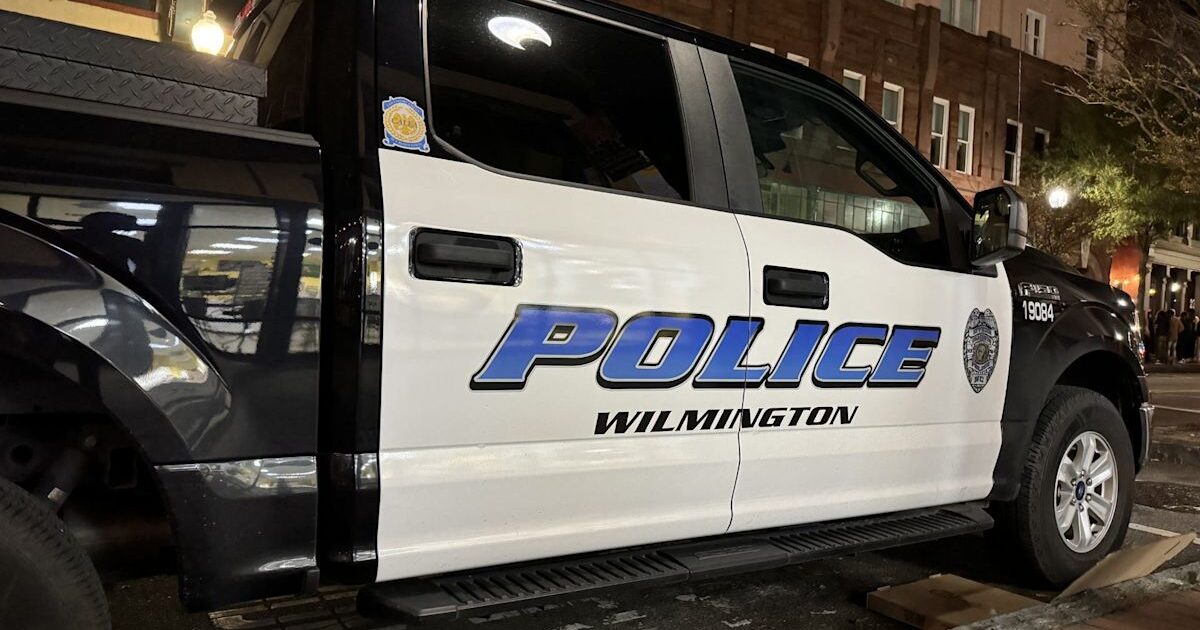
According to a news release from the Wilmington Police Department, a 58-year-old man was struck and killed by a truck in the early morning hours of September 6. Officers were reportedly called to the 1200 block of South 17th Street around 2:46 a.m. after a hit-and-run involving a pedestrian was reported.
Preliminary information from police suggests the man was in the roadway when he was hit. He was pronounced dead at the scene. Investigators are asking anyone with information to contact the department or submit tips through Tip 411. The driver involved had not, as of the initial report, been publicly identified.
Police also noted that this was reportedly the second pedestrian death in Wilmington over the Labor Day holiday weekend. A 33-year-old man was reportedly struck and killed by a vehicle two days earlier, on September 4.
Because the investigation is still open, many details — including the identity of the driver, the exact circumstances of the crash, and any potential criminal charges — remain unresolved.
Why It Matters Legally
A fatal hit-and-run involving a pedestrian generally sits at the intersection of several different areas of law, which is why cases like this often draw so much attention.
On the criminal side, leaving the scene of a crash that causes serious injury or death is typically a felony in most states. Prosecutors may also consider charges related to reckless driving, impaired driving, or vehicular homicide, depending on what the investigation uncovers.
On the civil side, the family of a person killed in a traffic crash may generally have a wrongful death claim against whoever was legally responsible. That claim is separate from any criminal case. A driver can be acquitted of a crime and still be found civilly liable for causing a death, because the standards of proof are different.
Hit-and-runs add extra layers. When a driver flees, the case often becomes as much about identifying the responsible party as it is about proving fault. Traffic-camera footage, doorbell cameras, vehicle debris, and paint transfer can all become critical pieces of evidence.
Who Could Be Affected
While every case is unique, incidents like this can touch several categories of people who may have legal options worth understanding in general terms:
- Family members of a pedestrian killed in a crash. Surviving spouses, children, and sometimes parents may generally be entitled to bring a wrongful death claim, depending on state law.
- Pedestrians who are injured but survive. People struck by vehicles — even in incidents where the driver flees — may still have personal injury claims and access to certain insurance coverages.
- Witnesses. People who saw the crash or its aftermath can play a meaningful role, both for police investigations and later civil proceedings.
- Nearby residents and businesses. Those with security cameras or dashcams may hold evidence that helps identify a fleeing driver.
- Drivers whose vehicles are later identified. Even if a driver believes they were not at fault, leaving the scene can create serious legal exposure on its own.
How Cases Like This Generally Work
Pedestrian-fatality cases usually move on two tracks that can run at the same time.
The criminal investigation. Police typically begin by securing the scene, collecting physical evidence, canvassing for cameras, and interviewing witnesses. In hit-and-run cases, investigators often look for vehicle parts left behind, unusual damage on nearby trucks or cars, and any tips from the community. If a suspect is identified, prosecutors decide whether to file criminal charges based on the evidence.
The civil claim. If the family of the person who died chooses to pursue a wrongful death lawsuit, a personal injury attorney would generally look at things like:
- The police report and any crash-reconstruction analysis.
- Available video from traffic, business, or home security cameras.
- Toxicology and medical examiner findings.
- Cell phone data, if distracted driving is suspected.
- Whether the vehicle was being used for work purposes, which can bring an employer's insurance into play.
- Insurance policies of the driver, the vehicle's owner, and even the pedestrian's own household (through uninsured/underinsured motorist coverage).
Timelines matter. Every state has a statute of limitations — a legal deadline for filing a lawsuit — and for wrongful death claims it is often shorter than for ordinary injury cases. Evidence also tends to disappear quickly: surveillance footage may be overwritten within days, and skid marks or debris can vanish in a single rainstorm. That is why lawyers generally recommend early documentation, even when no lawsuit has been filed.
Comparative fault can also come into play. Some jurisdictions reduce or bar recovery if the pedestrian is found to have been partly responsible — for example, by being in a roadway at night. Other states are more forgiving. The specific rules vary significantly by location.
What to Watch Next
For readers following this story or similar ones, several developments often appear in the days and weeks after a fatal hit-and-run:
- Identification of the driver or vehicle. Police may release descriptions, photos, or updates as tips come in.
- Criminal charges. If a suspect is located, charging documents typically become public and describe what prosecutors believe happened.
- Civil filings. The family may eventually file a wrongful death lawsuit, which becomes part of the public court record.
- Traffic-safety responses. Multiple pedestrian deaths in a short time frame sometimes lead city officials to review lighting, crosswalks, speed limits, or enforcement in the area.
- Insurance disputes. If coverage questions arise — for example, whether the truck was being driven for work — those can generate their own litigation.