What Happened
A civilian oversight body that monitors a Southern California sheriff's department has reportedly declined to take another look at the case of an unhoused man who was seriously hurt during a 2019 encounter with deputies and who died several years later from complications tied to those injuries.
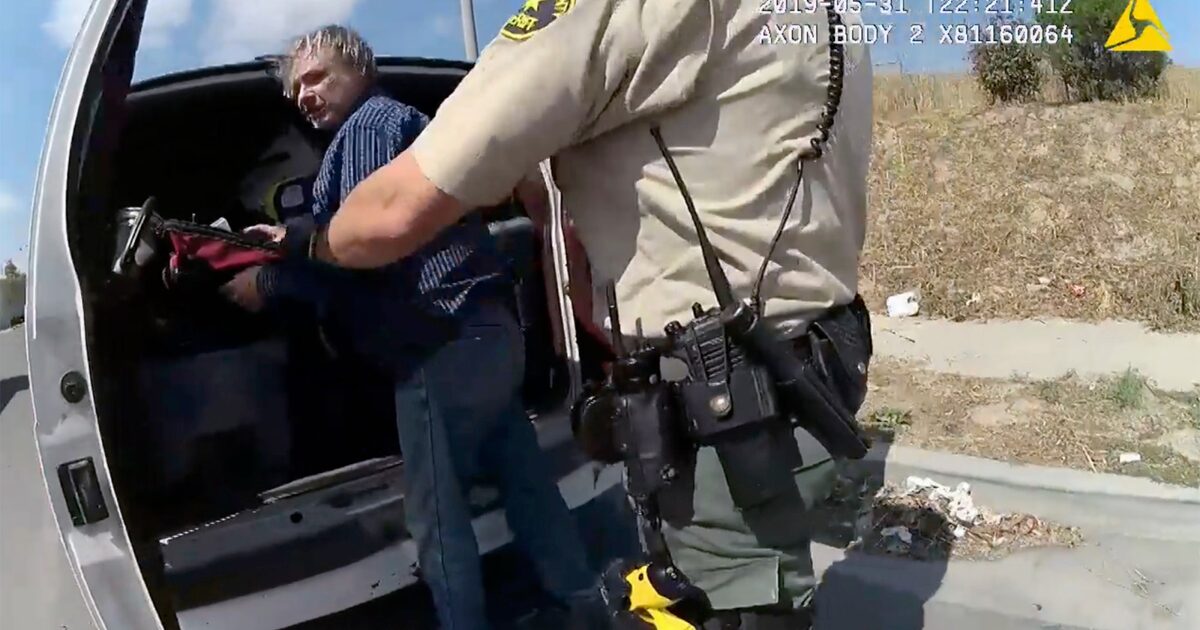
According to reporting from the San Diego Union-Tribune, the encounter began as a dispute over an expired registration on the van the man was living in. During the confrontation, one deputy allegedly forced the man to the ground after becoming concerned about an object being tossed nearby. The man struck his head, was pinned, and — according to body-camera footage described in the reporting — repeatedly told deputies he could not move. He never walked again, spent roughly four years in medical facilities, and died in 2023. He was reportedly never charged with a crime tied to that day.
The county medical examiner later classified the death a homicide and linked it directly to the 2019 use of force, citing quadriplegia and related spinal cord injuries. After that ruling, the oversight panel reopened its file but ultimately voted, reportedly 7-2, not to revisit its earlier findings that had cleared the deputies. Staff at the board reportedly concluded that the medical examiner's report did not add new evidence about the use of force itself, and that without such new evidence the board lacked jurisdiction to reconsider.
The two deputies involved have reportedly since retired. Family members and advocates have publicly urged a deeper review, and a former executive officer of the board has reportedly said the case still deserves a fuller public accounting.
Why It Matters Legally
Cases like this sit at the intersection of several areas of law. On the civil side, serious injuries caused by law enforcement can raise federal civil rights claims — often brought under a statute known as Section 1983, which generally allows people to sue government officials who allegedly violate constitutional rights, including the right to be free from excessive force. They can also raise state-law personal injury claims for things like battery, negligence, or wrongful death.
On the oversight side, a civilian review board is not a court. It generally cannot award money, fire an officer, or file criminal charges. Its role is typically to investigate, make findings about whether policies were followed, and recommend changes. When such a board declines to reopen a case, that decision usually does not, by itself, block a family from pursuing a lawsuit — but by the time an oversight process runs its course, key legal deadlines may already have passed.
That timing issue is one of the main reasons legal observers pay close attention to stories like this one.
Who Could Be Affected
While every case is different, the legal questions raised here can matter to several groups of people:
- Families of people who died after a police or jail encounter, especially where a medical examiner later ties the death to that encounter.
- People who were seriously injured during an arrest or traffic stop, even if no criminal charges were filed against them.
- Unhoused individuals and their relatives, who advocacy groups say may face additional barriers when trying to be heard by oversight bodies or the courts.
- People with disabilities or ongoing medical needs that arose from a use-of-force incident and worsened over time.
- Witnesses and bystanders whose recordings or accounts may become important evidence years later.
How Cases Like This Generally Work
Excessive-force and in-custody injury cases generally follow a recognizable pattern, though the details vary widely by state and by the facts.
Evidence gathering. Lawyers typically look first at body-worn camera footage, dashcam video, dispatch recordings, incident reports, medical records, and any independent witness accounts. In cases involving delayed deaths, the medical examiner's report and treating physicians' notes often become central.
Legal theories. A civil case may combine federal civil rights claims with state-law claims such as battery, negligence, or wrongful death. When a plaintiff dies, a survival action (for the person's own pre-death suffering) and a wrongful death action (for the family's losses) are often filed together.
Government-claim rules. Suing a public agency is generally harder than suing a private party. Many states, including California, require an injured person or their family to file a formal administrative claim with the government within a short window — often six months from the injury or death — before a lawsuit can even be filed. Missing that deadline can end a case before it starts.
Statutes of limitations. Even after the government-claim step, there is a separate deadline to file the lawsuit itself. Federal civil rights claims generally borrow the state's personal injury deadline, which is often two years. When an injury leads to death years later, courts sometimes treat the wrongful death claim as starting from the date of death — but this is a fact-specific question that a lawyer would need to analyze carefully.
Qualified immunity. In federal cases against individual officers, defendants often raise a defense called qualified immunity, which can shield officials unless their conduct violated "clearly established" law. This defense is a major reason many civil rights cases are hard-fought early on.
Damages. If liability is established, damages can include medical costs, lost income, pain and suffering, and — in wrongful death cases — the family's loss of companionship and support.
What to Watch Next
Readers following stories like this can generally expect a few possible next steps in reporting or in the public record:
- Civil filings. Even after an oversight board closes a matter, the family or estate may still pursue a civil lawsuit if legal deadlines allow.
- Policy responses. Sheriff's offices and county boards sometimes announce training changes, new use-of-force policies, or updates to how encounters with unhoused residents are handled.
- Oversight reform. Debate over how much authority civilian review boards should have — and whether their votes and reasoning should be public — often intensifies after high-profile decisions.
- State investigations. In some jurisdictions, a state attorney general or an independent prosecutor may separately review cases where a death is ruled a homicide.
- Legislative activity. Cases involving deaths of unhoused individuals have, in the past, prompted proposed laws around data collection, oversight authority, and access to records.