What Happened
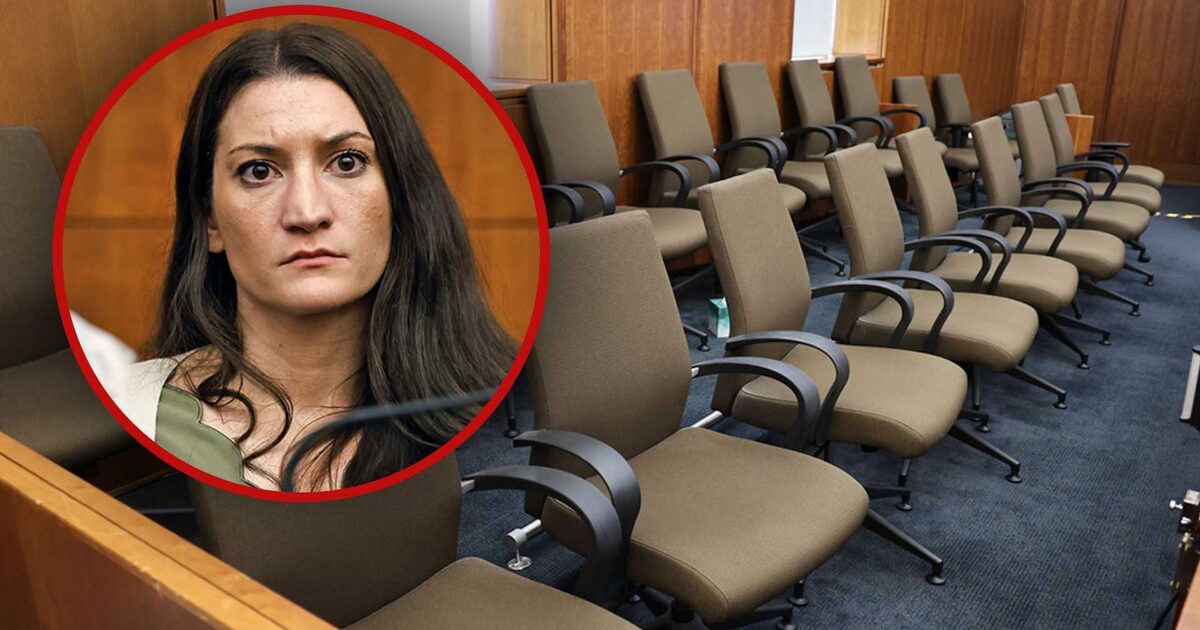
A closely watched criminal trial in Plymouth County, Massachusetts, ended last week in a mistrial after jurors reportedly deliberated for about seven days without reaching a unanimous verdict. The defendant, a mother in her mid-30s, faced charges tied to the 2023 deaths of her three young children. According to reports, one juror has now spoken publicly, describing tense deliberations and a single holdout who could not be persuaded to reach agreement with the rest of the panel.
The jurors were reportedly given a range of possible verdicts to consider, including first-degree murder, second-degree murder, manslaughter, not guilty, and not guilty by reason of lack of criminal responsibility — a Massachusetts standard used when serious mental illness is alleged to have prevented the defendant from appreciating the wrongfulness of her conduct. A follow-up court hearing is reportedly scheduled for later this month to determine next steps.
Separately, the defendant has reportedly filed a civil lawsuit alleging that multiple medical providers failed to properly diagnose and treat her psychiatric condition before the tragedy. That civil matter is a distinct legal proceeding from the criminal case.
Why It Matters Legally
This story sits at the intersection of several legal issues that lawyers and courts watch carefully: how criminal cases handle severe mental illness, what happens when a jury cannot reach unanimity, and how civil medical malpractice claims can proceed in parallel with criminal proceedings.
For the personal injury bar in particular, the civil claim against the healthcare providers is the piece that draws the most direct interest. Personal injury law, as an umbrella, covers medical malpractice — a specialized area involving allegations that a doctor, hospital, or other clinician failed to meet the accepted standard of care and that this failure caused harm. Cases involving psychiatric care are especially complex because mental-health conditions can be difficult to diagnose, treatment plans are often collaborative, and outcomes depend on many factors outside any one provider's control.
The criminal side also matters. A mistrial is not an acquittal. It generally means the jury could not agree, and prosecutors typically must decide whether to retry the case, offer a plea resolution, or drop the charges. That decision can hinge on the strength of the evidence, the reasons for the deadlock, and the wishes of surviving family members.
Who Could Be Affected
Cases like this touch several categories of people who may, in similar situations, want to understand their general legal options:
- Patients and families of patients receiving psychiatric care. When a person in mental-health crisis experiences a tragic outcome, questions may arise about whether providers missed warning signs, prescribed medications appropriately, or coordinated care effectively.
- Surviving family members. In some situations, family members may have wrongful death claims against parties they believe contributed to a loved one's death through negligence.
- Healthcare professionals. Clinicians named in malpractice suits generally have their own legal representation, often through malpractice insurers, and their conduct is measured against what a reasonably careful provider would have done.
- Jurors and prospective jurors. High-profile cases can be emotionally taxing, and this case is a reminder that jury service sometimes involves difficult moral and evidentiary questions.
How Cases Like This Generally Work
On the civil side, a medical malpractice case generally begins with a detailed investigation. A plaintiff's attorney typically gathers medical records, consults with independent medical experts, and evaluates whether the care provided fell below the accepted standard. In Massachusetts, malpractice claims are often reviewed by a special "tribunal" that screens whether there is enough evidence to proceed. Plaintiffs must generally prove their case by a preponderance of the evidence — meaning it is more likely than not that the provider's negligence caused the harm. That is a lower bar than the "beyond a reasonable doubt" standard used in criminal court.
Evidence in these cases can include the patient's chart, prescription histories, appointment notes, communications between providers, and expert testimony explaining what should have been done differently. Damages may cover medical expenses, lost income, pain and suffering, and, in wrongful death matters, losses to surviving family members.
Timelines matter. Massachusetts generally applies a three-year statute of limitations for medical malpractice claims, though the clock may start on the date of injury or when the injury reasonably should have been discovered. There is also an overall cap known as a statute of repose that limits how far back a claim can reach. These deadlines are strict and vary by state — for example, Montana applies its own separate rules and shorter windows in some circumstances.
On the criminal side, after a mistrial the prosecution generally has several options: schedule a retrial, negotiate a resolution, or, in rare cases, decline to proceed further. Double jeopardy protections generally do not bar a retrial when the first trial ended because of a hung jury.
What to Watch Next
Readers following this story or similar cases can generally expect a few developments:
- A status hearing in the criminal case where the judge and lawyers discuss whether prosecutors intend to retry the charges.
- Motions and pretrial filings in the civil malpractice case, including responses from the medical providers named as defendants.
- Possible expert witness disclosures in the civil action, which can offer the public a clearer picture of what plaintiffs believe went wrong in the underlying care.
- Coverage of any settlement discussions. Civil cases frequently resolve before trial, sometimes with confidentiality terms.
- Broader policy conversations about postpartum mental-health screening, access to psychiatric care, and the way the criminal system handles defendants with serious mental illness.