What Happened
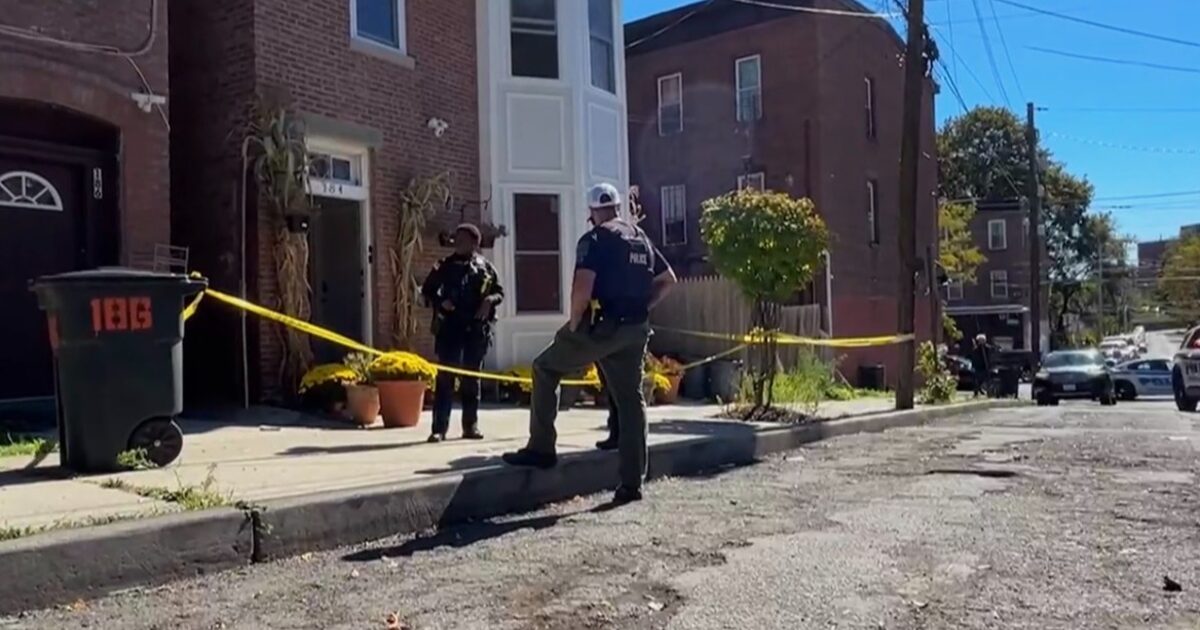
A pretrial hearing was held this week in Orange County, New York, in a case involving a 13-year-old boy accused of fatally shooting an 11-year-old friend inside the younger boy's Newburgh home in October 2025. Because of the defendant's age and juvenile-offender status, his identity has not been publicly released.
According to reports, prosecutors allege the teen intentionally shot the younger child in the head with a firearm that reportedly belonged to the defendant. He faces charges that reportedly include second-degree murder, menacing, criminal possession of a weapon, and tampering with physical evidence. Prosecutors have also reportedly alleged that the same firearm was displayed by the teen during a separate incident days earlier.
The defense, however, is disputing the murder charge. The teen's attorney reportedly argued in court that the shooting was accidental — possibly self-inflicted by the younger boy — and pointed to what she described as an initial 911 call in which the victim's mother allegedly suggested the shooting was not intentional. The defense also reportedly raised concerns about evidence disclosure, disciplinary records of officers connected to the investigation, and the fact that no independent autopsy was performed before the child's remains were cremated. The judge reportedly denied earlier requests tied to that autopsy issue.
The 13-year-old has remained in a secure juvenile detention facility since his arrest, with bail set at high dollar amounts. He is due back in court in mid-October.
Why It Matters Legally
Stories like this one sit at a crossroads of several legal areas. The most visible one is criminal law — the prosecution's job is to prove the charges beyond a reasonable doubt. But a case involving a child's death inside a home, allegedly involving a firearm belonging to another minor, can also raise significant civil questions that fall under the personal injury umbrella.
Civil claims are separate from criminal charges. In a civil case, the family of a person who died may pursue a wrongful death claim, which generally seeks money damages rather than jail time. The standard of proof is lower than in criminal court, and a case can generally proceed even if the criminal matter ends in acquittal, a plea, or dismissal.
Cases like this may also touch on negligent storage of firearms, premises liability, and parental responsibility laws. Different states have different rules on when an adult who owns or stores a gun can be held civilly responsible if a child gains access to it. New York, in particular, has firearm-storage requirements that can become important in civil litigation.
Who Could Be Affected
While every case is unique, incidents involving children and firearms typically raise questions for several groups of people. In general, the categories most affected in similar situations may include:
- Families of a child who is injured or killed, who may have wrongful-death or survival-action claims under state law.
- Parents or guardians of a minor who caused the injury, who could face civil exposure depending on the state's parental-liability rules.
- Firearm owners whose weapons were reportedly accessed by minors, who may face civil claims tied to storage or supervision.
- Homeowners or renters where an incident occurred, if premises-liability theories apply.
- Schools, camps, or caregivers if a similar incident happens under their supervision.
How Cases Like This Generally Work
When a serious injury or death involves a firearm inside a home, civil attorneys typically start by asking a few core questions: Who owned the gun? How was it stored? Who had access? Was an adult aware? Were there prior warning signs?
Evidence tends to matter enormously. That may include:
- 911 call recordings and dispatch logs.
- Police reports and body-camera footage.
- Autopsy or medical examiner findings.
- Forensic evidence about the firearm, including trajectory and fingerprints.
- Statements from witnesses, family members, and first responders.
- Any prior incidents involving the same firearm.
Timelines matter too. In New York, wrongful-death claims generally must be filed within two years of the death, though claims involving minors and certain other theories may follow different deadlines. Illinois and other states have their own statutes of limitations. These deadlines can be short, which is one reason lawyers often stress preserving evidence early — even before deciding whether to file suit.
It is also worth noting that when the person accused of causing harm is a minor, collecting on a civil judgment often depends on whether an adult, a homeowner's insurance policy, or another party can be tied into the case. That analysis is highly fact-specific.
What to Watch Next
Readers following coverage of a case like this may see several developments over time:
- More pretrial hearings on evidence, discovery disputes, and any motions to reduce charges or bail.
- Rulings on juvenile-offender status, which can significantly affect how the case is prosecuted and what penalties are possible.
- Possible civil filings by the victim's family, either during or after the criminal case.
- Investigation updates from law enforcement about how the firearm was obtained and stored.
- Any settlements or resolutions, which in civil cases can occur at almost any stage.