What Happened
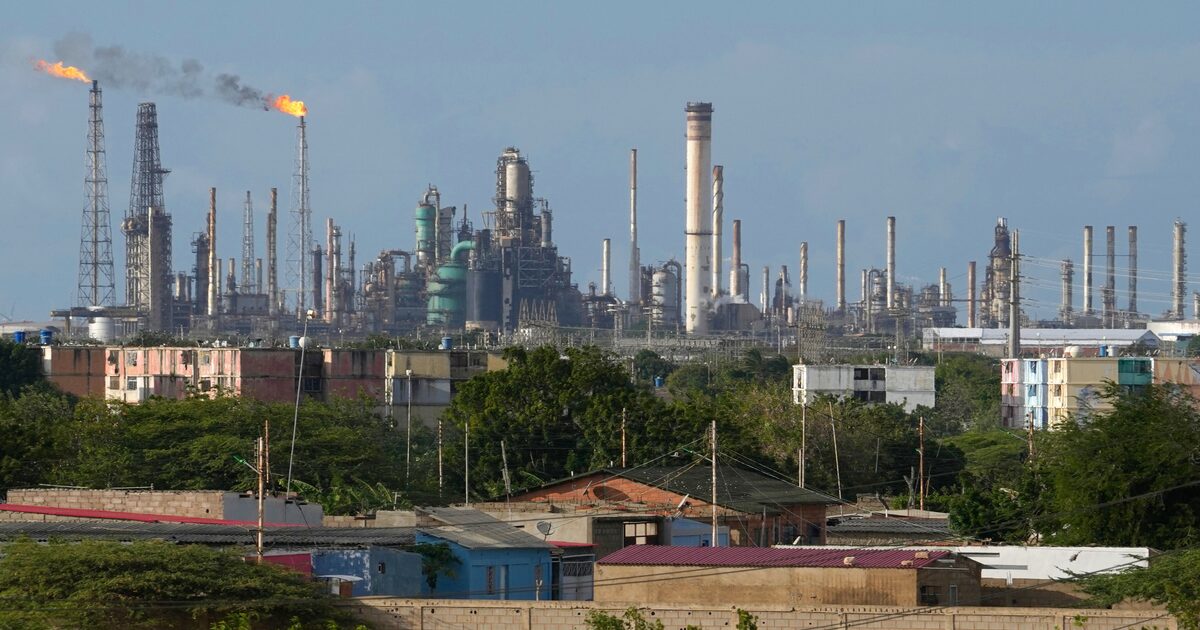
Over the weekend, the White House reportedly announced a large-scale oil agreement between the United States and Venezuela, described by the president in a social media post as a historic deal that would give the US a significant stake in Venezuela's untapped oil fields. According to reports, the arrangement follows the January capture of Venezuela's former president, who was reportedly brought to New York to face federal drug trafficking charges, and it was negotiated with Venezuela's acting president.
Public details remain thin. No full text of the agreement has been released, and reports indicate that key questions — such as who will pay for infrastructure repairs, which private operator is involved, and how the US ownership share is structured — are still unanswered. Lawmakers from both parties have weighed in, some praising the deal and others sharply criticizing it.
While the headline is about oil, the story has a quieter but important legal dimension for the hundreds of thousands of Venezuelans currently living in the United States. Major diplomatic shifts with a country of origin can influence how US immigration authorities treat asylum claims, humanitarian parole, Temporary Protected Status (TPS), and removal (deportation) decisions.
Why It Matters Legally
US immigration law is closely tied to foreign policy. When the US formally engages with a foreign government — through trade deals, diplomatic recognition, or security agreements — that engagement can change how the government describes conditions in that country. Those descriptions, in turn, may affect:
- Temporary Protected Status (TPS): TPS is a humanitarian designation that the Department of Homeland Security may grant when a country is considered unsafe due to armed conflict, natural disaster, or other extraordinary conditions. Venezuelans have generally been covered under TPS designations in recent years. A shift in the US government's official posture toward Venezuela could influence future TPS extensions or terminations.
- Asylum and withholding of removal: Asylum seekers generally must show a well-founded fear of persecution in their home country. Country-conditions evidence — including State Department reports — often plays a large role. A more cooperative US-Venezuela relationship could change how those reports read.
- Humanitarian parole and deferred action: These discretionary tools may be expanded, narrowed, or paused based on evolving policy.
- Deportation priorities: Whether people can be removed to Venezuela in practice has historically depended on cooperation between the two governments. Diplomatic thaws can change that.
Who Could Be Affected
If a similar policy shift were to unfold, several groups could feel the impact:
- Venezuelans currently holding TPS, who may need to watch for extension or termination announcements.
- Pending asylum applicants from Venezuela, whose cases could be reviewed against updated country-conditions evidence.
- Venezuelans with final orders of removal, who may find that logistics around actual deportation change if the two governments cooperate more closely.
- Families with mixed immigration status, including US citizen children whose parents' status may shift.
- Employers and sponsors of Venezuelan workers on humanitarian-based work authorization, who may need to plan around potential renewal issues.
- Recent arrivals who entered under humanitarian parole programs and may face uncertainty about renewals.
How Cases Like This Generally Work
When a foreign-policy development touches immigration, cases generally move through a few predictable stages:
- Policy signals. The White House, State Department, or DHS may release statements or fact sheets. These are not law, but they often preview what is coming.
- Formal notices. For programs like TPS, changes typically appear in the Federal Register. These notices generally set out effective dates, re-registration windows, and work-authorization rules.
- Agency guidance. USCIS, ICE, and the Executive Office for Immigration Review (immigration courts) may issue internal memos that shape how officers and judges handle pending cases.
- Individual adjudication. Each person's case is decided on its own record. Evidence that generally matters includes identity documents, proof of continuous US presence, country-conditions reports, personal declarations, and — for asylum — corroborating evidence of past harm or credible fear of future harm.
- Appeals and litigation. If a policy change is challenged, federal courts may pause or reverse it. Class-action lawsuits and injunctions have played a major role in recent immigration policy shifts.
A key point: filing deadlines matter. Missing a re-registration window or an appeal deadline can generally have serious consequences, even if the underlying policy is later reversed.
What to Watch Next
Readers following this story may want to keep an eye on:
- Federal Register notices related to Venezuela TPS, humanitarian parole programs, and any special immigrant categories.
- State Department country reports on human rights conditions in Venezuela, which are often cited in asylum cases.
- USCIS policy alerts describing how officers should treat pending Venezuelan applications.
- Immigration court decisions and any published guidance from the Board of Immigration Appeals.
- Federal lawsuits challenging or defending changes to Venezuelan immigrants' protections.
- Congressional action, including any hearings on the oil deal, sanctions, or related immigration measures.
- Consular developments, such as whether the US and Venezuela restore fuller diplomatic services, which can affect visas and travel documents.