What Happened
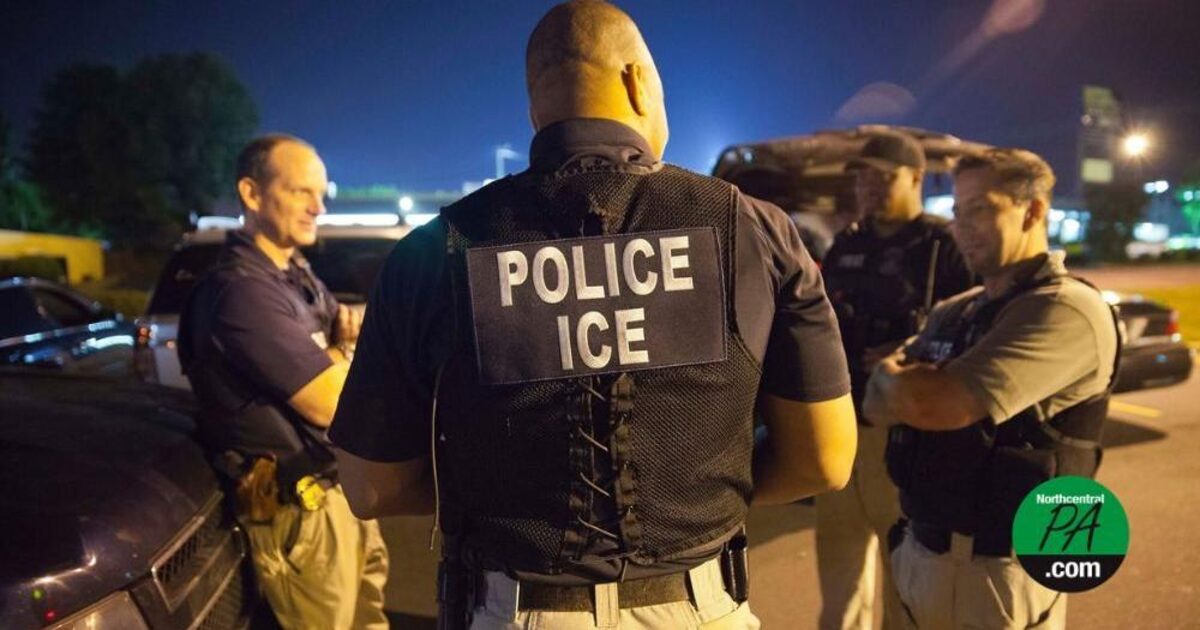
Advocacy organizations in Pennsylvania have reportedly described what they are calling one of the largest workplace immigration enforcement actions the state has seen. According to reports, more than 40 construction workers — many said to be from Central American countries — were allegedly detained on or around September 2 while leaving a job site at a hospital campus in Danville, in the north-central part of the state. Additional arrests reportedly followed about a week later under similar circumstances.
A spokesperson for U.S. Immigration and Customs Enforcement (ICE) reportedly acknowledged arresting a smaller number of people during vehicle stops on the same date, and said many of those taken into custody may face allegations of illegal reentry after a prior removal order — which can be charged as a federal felony. Local police departments reportedly gave conflicting accounts of their role, and journalists have said they have not been able to independently verify many key details, including the total number of people detained.
Witnesses quoted in reports described unmarked vehicles circling the site for weeks beforehand, a drone that allegedly appeared overhead as workers left for the day, and traffic stops on nearby streets. A U.S. citizen worker said he was briefly stopped himself before being released after showing identification.
Why It Matters Legally
Cases like this sit at the intersection of several areas of law. The most obvious is immigration law, which governs who can be detained, how removal (deportation) proceedings work, and what defenses may be available. But workplace enforcement actions almost always touch other legal areas as well:
- Criminal law, when the government alleges felony illegal reentry or identity-related offenses.
- Constitutional law, particularly Fourth Amendment questions about vehicle stops, surveillance, and whether officers had lawful reasons to detain specific individuals.
- Employment and labor law, because contractors and subcontractors may face I-9 audits, wage-and-hour investigations, or retaliation claims from workers who reported unsafe conditions before the raid.
- Family law, when detained parents leave behind U.S. citizen children who need guardianship arrangements.
Who Could Be Affected
When a large enforcement action is reported at a worksite, the ripple effects generally reach far beyond the people taken into custody. Groups that may have legal questions or potential claims include:
- Detained workers, who may need immigration counsel to explore bond, asylum, withholding of removal, cancellation of removal, or challenges to how they were stopped.
- Family members, especially spouses and children (some of whom may be U.S. citizens or lawful residents) trying to locate a loved one, arrange care for kids, or preserve income.
- Coworkers with lawful status, including U.S. citizens and green card holders, who may still have been questioned and could have civil rights concerns depending on how they were treated.
- Employers and subcontractors, who may face government audits of hiring records and could have their own legal exposure — or defenses — depending on documentation practices.
- Bystanders and patients near a medical facility, if enforcement activity allegedly interfered with access to care.
How Cases Like This Generally Work
Every case is different, but immigration matters that follow a workplace enforcement action generally move through a few predictable stages.
Initial detention and processing. People taken into ICE custody are generally transported to a processing facility and may be transferred out of state. Families often struggle to locate detainees in the first 24 to 72 hours. ICE operates a public online detainee locator, but records can lag.
Right to counsel — with a catch. In immigration court, individuals generally have the right to a lawyer, but not one paid for by the government. That makes early contact with a nonprofit legal services provider or private immigration attorney especially important.
Bond and custody review. Depending on immigration and criminal history, some detainees may be eligible to request release on bond from an immigration judge. Others — including many with prior removal orders — may not be eligible, and could be subject to expedited processes.
Possible criminal charges. If federal prosecutors pursue illegal reentry or related charges, a separate criminal case can run in parallel, with its own right to a court-appointed defense attorney under the Sixth Amendment.
Challenges to the stop or arrest. Lawyers typically review whether officers had lawful grounds to pull a vehicle over, whether surveillance was properly authorized, and whether any statements were obtained in a coercive way. In some cases, unlawfully obtained evidence may be suppressed, though the rules in immigration court are narrower than in criminal court.
Timelines. Immigration cases can move quickly (a matter of weeks for expedited removal) or drag on for years in backlogged courts. Deadlines for filing asylum applications, motions to reopen, and appeals are generally strict, and missing one can be devastating.
What to Watch Next
Follow-up reporting on incidents like this often reveals information that was not available in the first news cycle. Readers may want to watch for:
- Official statements from ICE or the Department of Homeland Security clarifying the number of people arrested and the alleged legal basis.
- Federal court filings if any detainees are criminally charged with reentry or document-related offenses.
- Civil lawsuits alleging constitutional violations by federal or local officers, which sometimes follow large enforcement actions.
- I-9 or E-Verify audits of contractors working on the project, and any related enforcement against employers.
- Statements from local police departments about the scope of their cooperation, which can raise questions under state and local policies about immigration enforcement.
- Actions by state or federal lawmakers responding to concerns about enforcement near hospitals or other sensitive locations.