What Happened
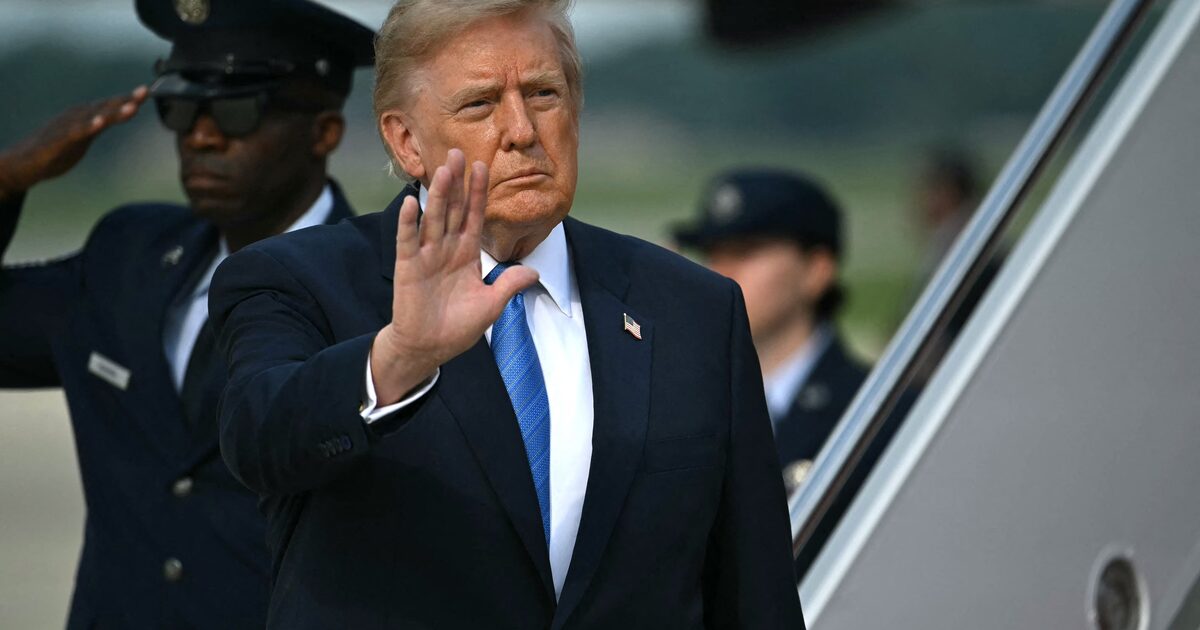
According to news reports, the President announced on social media that the United States has entered into a large-scale agreement with Venezuela involving roughly 65 billion barrels of that country's oil reserves. The announcement reportedly described the arrangement as a private-sector partnership, though specific corporate participants and deal mechanics were not disclosed at the time of the post.
Reports indicate that the deal was negotiated by senior US cabinet officials alongside Venezuela's interim leadership. A senior US official reportedly stated on social media that the agreement could bring around $100 billion in private investment into Venezuela and help ease gas prices in the United States. As of the initial reporting, the Venezuelan government's press office and the White House had not, according to the source, provided additional detail.
The announcement reportedly follows a period of significant political change in Venezuela, including a recent law that opens the country's oil sector to private ownership — a reversal of the nationalization policies that had been in place for decades. Gasoline prices in the US were reportedly averaging about $4.09 per gallon at the time of the announcement, amid an ongoing regional conflict that has slowed oil movement through key shipping lanes.
Why It Matters Legally
Cross-border energy deals of this scale generally touch a surprising number of legal areas at once. Even though this news reads like foreign policy, business lawyers pay close attention because agreements like this can rewrite the rules for entire industries.
A few reasons this kind of announcement typically matters in the business and corporate law world:
- International contracts. Any US company that participates would likely need to negotiate long, complex agreements covering ownership rights, revenue sharing, dispute resolution, and what happens if political conditions change again.
- Sanctions and export controls. The US has generally maintained sanctions programs affecting Venezuela's oil sector. Companies typically need clear guidance — often in the form of licenses or updated regulations — before doing business in a previously restricted country.
- Securities disclosure. Publicly traded companies generally have to tell shareholders about material risks and opportunities. A major foreign investment could trigger disclosure obligations under securities law.
- Historic asset claims. Some US oil companies reportedly lost assets during Venezuela's nationalization years ago. Any new deal could reopen questions about compensation, prior arbitration awards, or restored ownership.
Who Could Be Affected
While the announcement is high-level, several groups of people and businesses could feel legal ripple effects if a deal like this moves forward:
- Large energy companies considering whether to invest in a country many executives have reportedly described as risky in the past.
- Smaller service and equipment suppliers who often follow major operators into new markets and may need to review their own compliance programs.
- Investors and shareholders in publicly traded energy firms, who may want to understand how a new foreign venture could affect financial performance and risk profiles.
- Companies with historical claims against Venezuela, including firms that previously held arbitration awards tied to nationalized assets.
- Workers and contractors whose jobs could be affected by shifts in US energy production, refining, or distribution.
- Compliance professionals at banks and financial institutions who generally handle sanctions screening and cross-border payment rules.
How Cases Like This Generally Work
When a large international business arrangement is announced, the legal work typically unfolds in stages:
1. Verifying the framework. Lawyers generally start by trying to understand what has actually been agreed. A social media announcement is usually not a binding contract. Business attorneys typically look for underlying memoranda of understanding, executive orders, treaties, or regulatory notices.
2. Checking the sanctions landscape. Before any US business can move money or personnel into a previously restricted country, counsel generally reviews the current sanctions regime and any general or specific licenses issued by the US Treasury. This step often takes weeks or months.
3. Structuring the deal. Corporate lawyers typically help clients choose how to enter a market — joint venture, production sharing agreement, direct investment, or something else. Each structure has different tax, liability, and dispute resolution implications.
4. Managing existing claims. Firms that previously held Venezuelan assets may have outstanding arbitration awards or unresolved compensation claims. Any new deal could interact with those legacy issues, and lawyers generally need to protect their clients' prior positions.
5. Disclosure and governance. For public companies, securities counsel typically advises on when and how to inform shareholders. Boards of directors generally weigh in on risk tolerance and long-term strategy.
6. Dispute resolution planning. Cross-border energy contracts typically build in international arbitration clauses, choice-of-law provisions, and political risk protections. These clauses generally take on real importance if conditions change.
Timelines for these deals are generally measured in years, not weeks. Even after headlines fade, the paperwork and regulatory approvals often continue quietly for a long time.
What to Watch Next
Readers following this story may want to keep an eye on several developments in coming weeks and months:
- Official documentation. Look for formal agreements, executive orders, or regulatory notices that spell out what was actually agreed.
- Treasury Department guidance. Any updates to sanctions programs or new licenses could signal whether US companies can legally participate.
- Corporate announcements. Major energy companies typically issue statements — or SEC filings — if they are seriously considering investment.
- Congressional response. Large foreign policy announcements often prompt hearings, letters, or proposed legislation.
- International reaction. Other countries and multinational bodies may respond in ways that shape the legal environment.
- Historic claim resolutions. Watch for any news about companies that previously held nationalized assets and whether their claims are being addressed.
Frequently Asked Questions
Can a US president just take control of another country's oil reserves?
Generally, no country's leader can simply take another country's natural resources by announcement alone. Any real transfer of rights typically requires binding agreements, cooperation from the host country, and compliance with international and domestic law. Announcements often outline intent, but the legal work usually happens later.
What laws generally apply to US companies doing business in a sanctioned country?
US companies are typically subject to sanctions programs administered by the Treasury Department, along with export control rules and anti-corruption laws. Doing business in a previously restricted country generally requires careful review of current regulations and, in many cases, specific licenses. Violations may carry significant civil and criminal penalties.
Could shareholders sue a company for entering a risky foreign deal?
Shareholders generally can bring lawsuits if they believe a company misled them about material risks or if directors breached their fiduciary duties. Whether such a suit succeeds typically depends on disclosure quality, board decision-making processes, and the actual outcome of the investment. Simply losing money on a deal is not usually enough on its own.
What happens to companies whose assets were nationalized years ago?
Companies that lost assets in past nationalizations have often pursued international arbitration and, in some cases, obtained awards. Whether a new political arrangement affects those awards generally depends on the specific terms of any new agreement and negotiations with the host country. Legacy claims do not typically vanish just because relations change.
How do international arbitration clauses generally protect companies?
International arbitration clauses typically let parties resolve disputes in a neutral forum instead of local courts. They generally offer more predictability and can be easier to enforce across borders under treaties like the New York Convention. Many cross-border energy contracts include these clauses precisely because of political and legal risk.
Does an announcement like this affect gas prices right away?
Generally, market prices can react quickly to major news, but actual production changes usually take much longer. Building or restoring oil infrastructure typically takes years, and legal and regulatory approvals add more time. Short-term price movements often reflect expectations rather than immediate supply changes.
What should a small business do if it operates in the energy supply chain?
Small businesses in the energy supply chain may generally want to review their compliance policies, watch for updated sanctions guidance, and think about how shifts in major operators' plans could affect their contracts. Consulting a qualified attorney for situation-specific advice is typically a good idea before making major changes.