What Happened
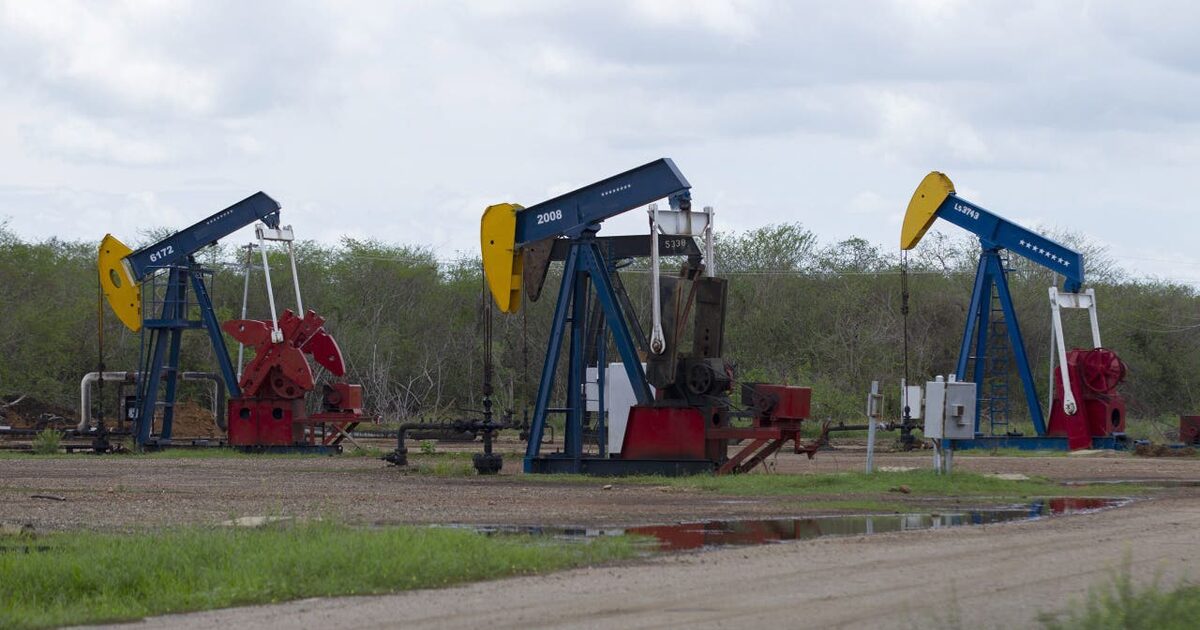
According to news reports, the U.S. president announced that the United States and Venezuela have reached what he described as a very large oil agreement. The deal, as reported, would allow the U.S. to partner with an unnamed private operator to form a new private company that would hold long-term development rights over a set of Venezuelan oil fields. Reporting suggests the arrangement covers roughly 17 fields with an estimated potential of around 65 billion barrels of proven reserves, and that the new company could be granted development rights for a period of about 100 years.
Reports also indicate that the U.S. side would hold a majority effective interest in the new venture, including an ownership stake and rights to purchase oil at cost, while Venezuela could see significant investment inflows and tax revenue over time. The announcement reportedly follows the recent lifting of U.S. sanctions on a senior Venezuelan official and comes against a backdrop of high domestic gas prices and disruptions to global oil supply. Energy analysts quoted in coverage have generally cautioned that any impact on prices at the pump is unlikely to be immediate.
Because the underlying terms have not been publicly released in full, much of what is known comes from social media statements, government sources, and reporting attributed to unnamed officials. Nothing described here has been independently verified in court or through a published contract.
Why It Matters Legally
Deals like this sit at the intersection of several bodies of business and corporate law. On the U.S. side, cross-border energy transactions generally trigger review under sanctions rules administered by the Treasury Department's Office of Foreign Assets Control (OFAC), export controls, and — depending on structure — antitrust or foreign investment review frameworks. On the foreign side, they usually involve host-country energy laws, licensing regimes, and constitutional rules about who can own or exploit natural resources.
The reported structure — a new private company jointly formed with a foreign operator and granted long-term rights — is a familiar shape for major oil ventures. But it raises classic questions that corporate lawyers generally focus on: Who actually owns the shares? How is control allocated between partners? What happens if the host government changes leadership or policy? What law governs the contract, and where would disputes be resolved?
Because Venezuela has a well-documented history of nationalizing foreign-owned assets, sovereign risk is not an abstract concern. Business lawyers advising energy clients typically pay close attention to protections such as international arbitration clauses, bilateral investment treaties, political risk insurance, and stabilization provisions that try to lock in the deal terms even if local law changes.
Who Could Be Affected
Several categories of businesses and individuals could feel downstream effects if a deal along these lines moves forward:
- U.S.-based energy companies that may be invited to participate, subcontract, or supply services. They would generally need to run careful sanctions and compliance reviews before signing anything.
- Investors and shareholders of publicly traded oil and gas companies, who may see stock movement based on perceived opportunities or risks.
- Service providers — engineering firms, drilling contractors, shipping companies, and financial institutions — whose exposure to Venezuela-related work has historically been limited by sanctions.
- Consumers, indirectly, through possible long-term effects on fuel supply and prices, although experts generally warn against expecting quick changes.
- Workers in the U.S. energy sector, whose employers' investment decisions could shift with new opportunities abroad.
How Cases Like This Generally Work
When large cross-border corporate deals are announced, the public headline is usually only the first step. Behind the scenes, lawyers typically spend months on work that ordinary readers rarely see:
- Due diligence. Attorneys generally review the target assets, existing contracts, environmental liabilities, and any pending litigation. In a country with a complicated legal history, this step often takes longer than usual.
- Structuring. Corporate lawyers typically design the joint venture — deciding which entity sits where, how profits flow, and how taxes are handled across borders.
- Regulatory clearance. Deals of this size may require sign-offs from multiple agencies. On the U.S. side, that can include OFAC licensing, Committee on Foreign Investment in the United States (CFIUS) review if applicable, and securities disclosures for public companies.
- Financing. Banks and other lenders generally require detailed legal opinions before committing capital to a project in a jurisdiction perceived as high risk.
- Dispute resolution planning. Contracts typically specify a neutral forum — often international arbitration under rules like ICSID or UNCITRAL — so that partners are not stuck with only local courts if something goes wrong.
What to Watch Next
Readers following this story may want to keep an eye on several developments:
- Official documents. A press release or social media post is not a contract. The real terms would generally appear in filings, licenses, or corporate disclosures over time.
- OFAC actions. Any general or specific licenses issued to allow U.S. companies to work with Venezuelan entities would give a clearer picture of what is actually permitted.
- Congressional response. Lawmakers may hold hearings or propose legislation, particularly around sanctions and foreign policy authority.
- Corporate announcements. Statements from major oil companies about whether they will participate — or continue to stay out — will signal how the industry reads the legal risk.
- Litigation. Prior nationalizations produced long-running arbitration cases. New disputes, or settlements of old ones, could shape how this deal is implemented.
- Price data. Whether pump prices actually move, and when, will be a practical measure separate from the legal architecture.