What Happened
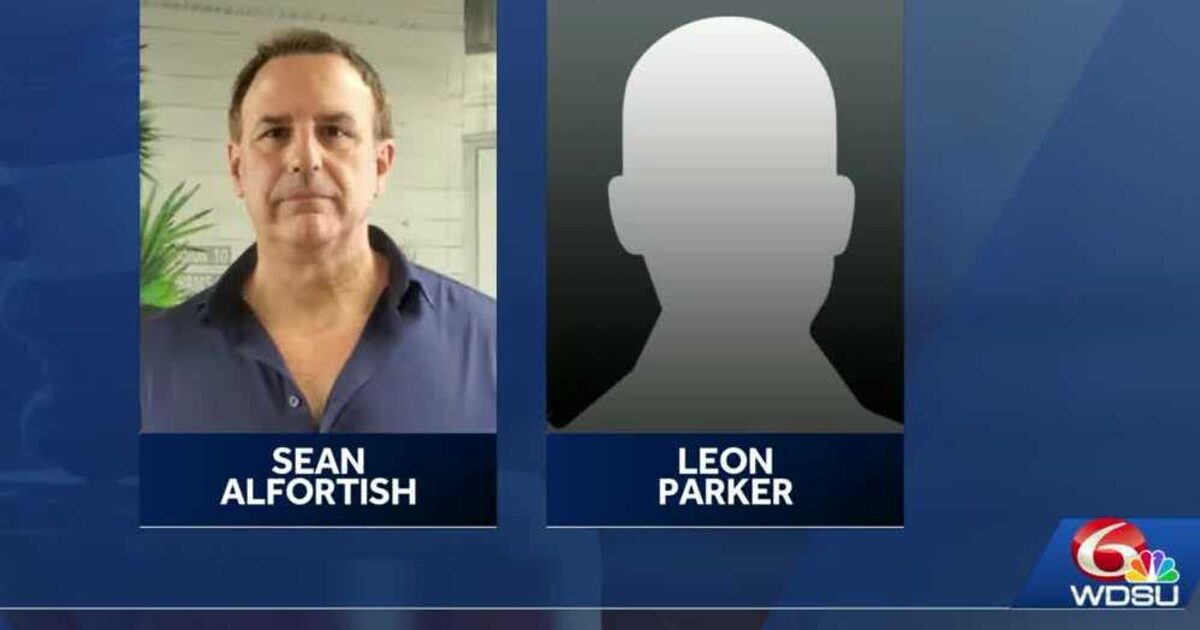
A long-running criminal trial in New Orleans is drawing national attention because it sits at the intersection of insurance fraud, personal injury litigation, and an alleged murder tied to a federal investigation. According to local reporting, prosecutors are pursuing charges against a disbarred attorney and another defendant in connection with the 2020 killing of a federal witness who was reportedly cooperating in a probe of staged-crash claims.
During recent testimony, an insurance company investigator described looking into a suspicious total-loss claim involving one of the defendants. A cooperating witness — who has reportedly not been charged — told the jury he participated in staged collisions, including one involving an 18-wheeler, and testified that he was allegedly coached to lie in depositions and to forge documents. A corporate defense attorney who handled trucking litigation also testified about how she came to suspect that a 2016 highway crash was staged, describing the mix of phone records, accident reconstruction, and inconsistent witness accounts that reportedly led her and other defense lawyers to compare notes on similar claims.
The testimony has touched on medical financing companies, law firm referrals, and settlements that reportedly ran into the hundreds of thousands of dollars — even in cases where defense counsel says she suspected fraud but couldn't yet prove it.
Why It Matters Legally
This trial is unusual because it braids together several areas of law that normally live in separate silos:
- Criminal law, including homicide and federal witness-tampering concepts, when a cooperating witness is allegedly killed.
- Insurance fraud, which can be prosecuted as both a state and federal crime and can also trigger civil clawback lawsuits by insurers.
- Civil personal injury litigation, where staged collisions are dressed up to look like ordinary rear-end or sideswipe cases.
- Professional responsibility, since lawyers accused of coaching false testimony can face disbarment, criminal charges, or both.
- Corporate defense and transportation law, especially where trucking companies and their insurers are the intended targets of inflated or fabricated claims.
Who Could Be Affected
When an alleged staged-crash ring surfaces, the ripple effects can reach far beyond the people on trial. Groups that could be affected generally include:
- Legitimate accident victims, who may face more skepticism from insurers and juries in regions where fraud has been publicized.
- Truck drivers and trucking companies, which are often targeted because their commercial policies carry higher limits.
- Insurance carriers, which may pursue civil recovery of payouts they believe were obtained by fraud.
- Medical providers and financing companies, which can be pulled into investigations if their billing patterns line up with suspicious claims.
- Law firms and their clients, especially when attorneys are accused of steering or coaching witnesses.
- Passengers and family members who were reportedly in staged vehicles, who may face criminal exposure even if they weren't the driver.
How Cases Like This Generally Work
Cases in the business and corporate litigation space involving alleged staged wrecks typically move on several tracks at once.
Building the fraud picture. Investigators and defense lawyers generally start with the physical evidence: photos of vehicle damage, accident reconstruction reports, and medical records. If the damage doesn't match the story — for example, a sideswipe that reportedly produced serious spinal injury claims — that mismatch often becomes the first thread.
Following the data. Phone records, GPS data, and social media activity are frequently central. In this trial, testimony reportedly focused on call logs showing communications between alleged participants before and after crashes. Timing gaps — like a delayed 911 call — can also raise red flags.
Connecting the network. Defense attorneys handling separate cases sometimes compare notes when they see the same names, the same medical providers, or the same law firms appearing repeatedly. That kind of pattern evidence can eventually support both criminal charges and civil racketeering-style claims.
Weighing settlement vs. trial. Even when a defense lawyer strongly suspects fraud, she may recommend settlement if the proof isn't yet solid enough for a jury. As one witness reportedly explained, going to trial without a "break in the case" can be riskier than paying to resolve it — especially in venues where large verdicts are more common.
Cooperating witnesses. Prosecutors often rely on people who admit to their own role in a scheme. Their testimony can be powerful, but defense lawyers typically attack their credibility by pointing to prior inconsistent statements, plea incentives, or the fact that they haven't been charged.
Timelines. These cases generally unfold over years. Civil suits may be filed within a state's personal injury statute of limitations (often one to three years, depending on the jurisdiction), while criminal investigations and prosecutions can stretch much longer, especially when federal agencies are involved.
What to Watch Next
Readers following coverage of a case like this can generally expect several things to surface in the coming weeks and months:
- Verdict and sentencing on the pending criminal charges, and any appeals that follow.
- Additional indictments, particularly of people who have been named in testimony but not yet charged.
- Civil lawsuits by insurers seeking to recover payouts allegedly obtained through fraud.
- Disciplinary action against any attorneys or medical professionals implicated, including possible disbarment or license suspension.
- Legislative or regulatory responses, such as tighter oversight of medical financing companies or new reporting rules for suspicious claim patterns.
- Impact on pending injury cases, where defense lawyers may cite this trial as a reason to demand deeper discovery.