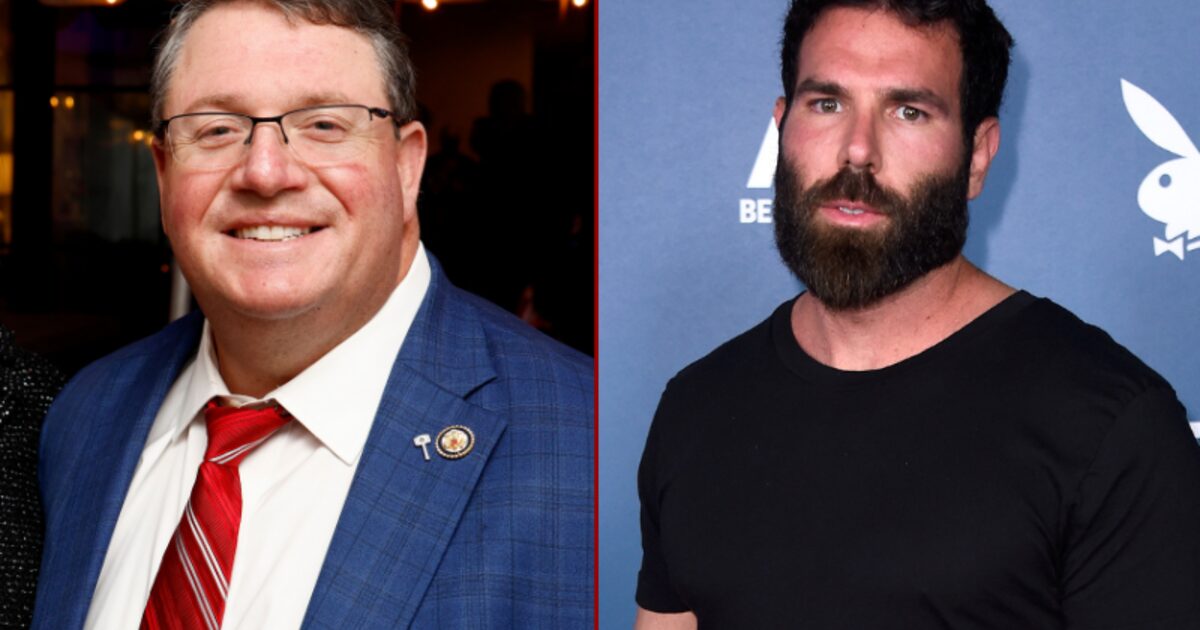
A Republican congressional primary in Florida has ignited a national firestorm, and while most of the coverage is about politics, there are several business and corporate law threads worth pulling on. From AI-generated attack ads to allegations of shell companies and influencer 'frontman' arrangements, the story touches parts of the law that ordinary people rarely read about but that shape how companies, campaigns, and public figures can be held accountable.
Here is a plain-English look at what the reporting describes and the general legal landscape around it.
What Happened
According to reports, a social media personality running in a Florida congressional primary released an AI-generated attack ad targeting the incumbent, one of a small number of Jewish Republicans in the U.S. House. The ad reportedly used manipulated imagery — including devil-like horns digitally added to the incumbent's head — alongside language and symbols that congressional leaders in both parties have publicly condemned as antisemitic.
Alongside the political outrage, the coverage revisits the candidate's business history. Reporting alleges that his former consumer-products company collapsed amid federal fraud charges, that shell companies may have been used to hide ownership, and that the candidate himself was allegedly used as an 'influencer frontman' while a family member exercised hidden control. A prior civil suit from a former executive reportedly accused the candidate of misusing corporate funds for personal expenses. None of these underlying business allegations have been proven in a court through the reporting summarized here, and the candidate has publicly disputed characterizations of his career.
This explainer focuses on the business and corporate law dimensions — not the political fight.
Why It Matters Legally
Several distinct legal areas are in play at once:
- Defamation and false light. AI-generated images that portray a real, identifiable person doing or being something they are not can, in some cases, cross from protected political speech into actionable defamation. Public figures generally have to prove 'actual malice,' meaning the speaker knew the content was false or acted with reckless disregard for the truth.
- Right of publicity and deceptive imagery. Some states restrict the use of a person's likeness, especially when digitally altered. Rules for synthetic media are evolving quickly.
- Securities and corporate fraud. When a company allegedly inflates revenue, hides who really controls it, or uses shell entities, federal regulators like the SEC and DOJ generally have authority to investigate.
- Breach of fiduciary duty and corporate waste. When executives or controlling shareholders are alleged to have used company money for personal luxury, investors and other insiders may have civil claims.
- Consumer protection and false advertising. Marketing campaigns that reportedly present rented assets as owned, or paid participants as organic fans, can raise FTC-style disclosure questions.
Who Could Be Affected
Cases with this shape can affect a wide range of people, generally including:
- Investors and shareholders who put money into a company based on public statements about revenue, leadership, or ownership.
- Employees and former executives who may have witnessed misconduct and could become whistleblowers or plaintiffs.
- Vendors and creditors left unpaid when a company collapses under fraud allegations.
- Individuals depicted in AI-generated content without consent, especially where the imagery is defamatory or commercially exploitative.
- Consumers who purchased products marketed with allegedly misleading imagery or endorsements.
- Candidates and public figures whose likenesses are used in fabricated media during campaigns.
How Cases Like This Generally Work
Business litigation in this space usually follows a rough pattern.
Step 1: Fact gathering. Lawyers typically start by mapping the corporate structure — parent companies, subsidiaries, shell entities, and the humans who actually made decisions. In cases involving alleged 'frontman' arrangements, tracing who signed contracts, who controlled bank accounts, and who benefited from spending is generally central.
Step 2: Documentary evidence. Emails, board minutes, wire transfers, vendor invoices, and social media posts often matter more than any single witness. In modern cases, metadata from AI-generated content, ad platform logs, and payment records can also be crucial.
Step 3: Parallel tracks. Civil suits (like a former executive alleging misuse of funds) can proceed alongside government investigations. Criminal indictments, SEC enforcement actions, and private lawsuits may each move on different timelines, and information from one track can sometimes influence another.
Step 4: Defamation analysis. For claims involving fabricated or AI-altered imagery, a court will generally ask whether a reasonable viewer would understand the content as fact or opinion, whether the subject is a public figure, and whether the creator knew or should have known the depiction was false.
Step 5: Statutes of limitations. Deadlines vary by state and claim type. Defamation deadlines are often short — sometimes as little as one year — while fraud and breach-of-fiduciary-duty claims may allow more time, especially where concealment is alleged.
Step 6: Remedies. Depending on the claim, outcomes can include monetary damages, injunctions ordering content to be taken down, disgorgement of profits, corporate governance changes, and, in criminal matters, fines or prison time for individuals found guilty.
What to Watch Next
Readers following this story — or similar stories — may want to keep an eye on:
- Whether the person depicted in the AI attack ad pursues any civil action, or whether the dispute stays in the political arena.
- Any statements or filings from platforms that host the ads, since some have policies on synthetic media.
- Election regulators' response, if any, to AI-generated campaign material.
- Ongoing federal proceedings connected to the candidate's former company, including any updates from the SEC or DOJ.
- New state laws or FEC guidance on disclosure requirements for AI-generated political content.
- Follow-up reporting on the alleged shell-company structure and any related civil litigation from former insiders.