What Happened
Early on a Friday morning in Springfield, Oregon, a collision between a motorcycle and another vehicle reportedly left one person dead and two others injured, according to statements from the Springfield Police Department shared with local news outlets.
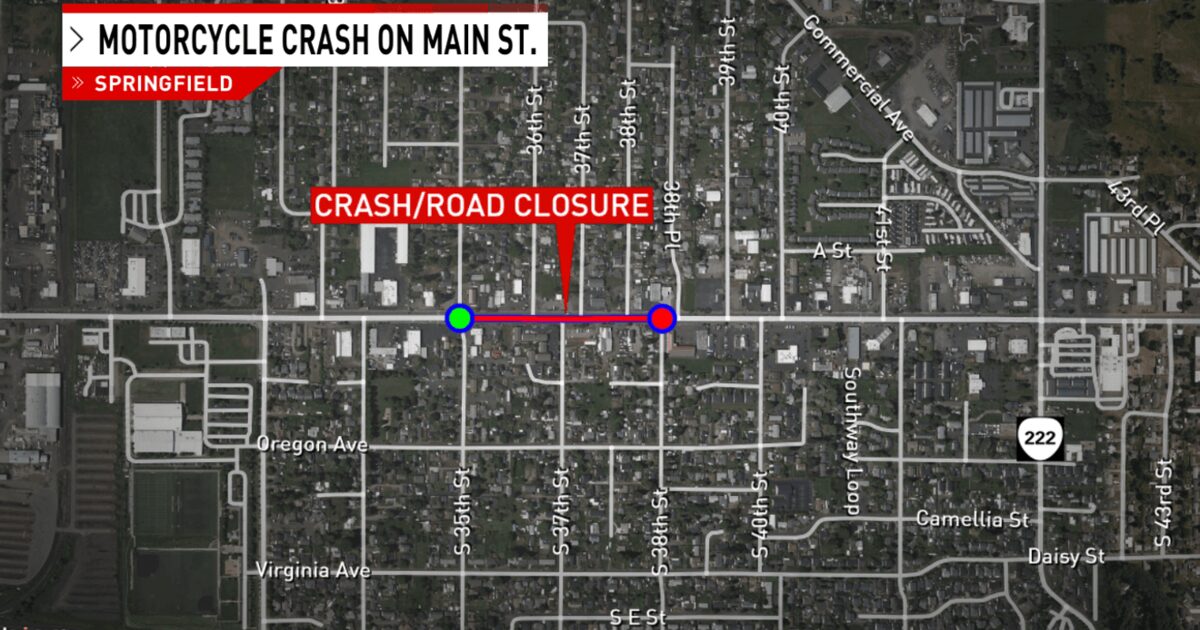
According to the reports, officers were called to the 3700 block of Main Street shortly before 7 a.m. When they arrived, the motorcycle rider was reportedly deceased at the scene. Two people inside the other vehicle were said to have been transported to a nearby hospital with injuries described as non-life-threatening.
Police closed a portion of Main Street near 37th Street while they investigated. The roadway reportedly reopened by mid-morning. As of the initial reports, no cause has been officially confirmed and no fault has been assigned by investigators. Cases like this typically remain under active review for days or weeks before any conclusions are shared publicly.
Why It Matters Legally
A fatal traffic collision can touch several corners of civil law at once. When someone dies in a crash, the incident often falls under what lawyers generally call wrongful death — a civil claim brought by surviving family members or a representative of the person's estate. Wrongful death is different from any criminal case a prosecutor might pursue; it is about financial and emotional losses to the family, not punishment.
At the same time, the people inside the other vehicle who were reportedly injured could have their own personal injury claims, depending on how the collision unfolded and who is ultimately determined to have been at fault.
Motorcycle crashes tend to draw extra legal attention because riders are so much more exposed than drivers of enclosed vehicles. Even a low-speed impact can lead to catastrophic outcomes for a rider. That imbalance often shapes how insurance adjusters, investigators, and courts evaluate the case.
Oregon, like most states, follows a modified comparative negligence rule. In general terms, that means a person can still recover damages even if they were partly at fault, as long as their share of the blame is not greater than the other side's. If it is, recovery may be barred entirely. The exact percentages usually become central to any negotiation or trial.
Who Could Be Affected
When a crash like this happens, several categories of people may have legal standing to pursue a claim or defend against one. Generally, these can include:
- Immediate family members of a person killed in a crash — such as a spouse, children, or parents — who may be able to bring a wrongful death action through the estate.
- Injured drivers and passengers in any vehicle involved, who may have personal injury claims tied to medical bills, lost wages, and pain and suffering.
- Employers or businesses, if any driver was on the clock or driving a company vehicle at the time. Commercial coverage rules can then come into play.
- Estates and creditors, when funeral expenses and unpaid medical costs become part of the financial picture.
- Insurance carriers, which are almost always involved behind the scenes even before any lawsuit is filed.
How Cases Like This Generally Work
While every case is different, personal injury and wrongful death matters arising from a traffic collision tend to follow a familiar arc.
1. Investigation and evidence gathering. In the days after a crash, the police department reportedly handling the case typically produces a formal crash report. Attorneys, insurers, and investigators generally look closely at that report, along with 911 audio, dashcam or traffic camera footage, skid marks, vehicle damage, and any witness statements.
2. Reconstruction. In serious motorcycle crashes, both sides often hire accident reconstruction experts. These specialists may use physics, vehicle data recorders, and scene photographs to estimate speed, angle of impact, and reaction time. Their conclusions can strongly influence how fault is assigned.
3. Insurance claims. Before any lawsuit is filed, most cases begin as insurance claims. The auto liability policy of the driver believed to be at fault is generally the first source of payment. If injuries or losses exceed those limits, underinsured motorist (UIM) coverage on the injured party's own policy may come into play.
4. Filing suit. If the parties cannot agree on responsibility or value, a civil lawsuit may be filed. In Oregon, the general statute of limitations for a personal injury lawsuit is two years, and for a wrongful death claim it is typically three years from the date of death. Missing these windows can permanently bar a claim, which is why families are usually encouraged to at least consult a lawyer early.
5. Damages. Compensation in these cases can generally include medical expenses, funeral and burial costs, lost income, loss of companionship, and pain and suffering. Punitive damages may be available in narrow circumstances, such as when reckless or intoxicated driving is alleged and proven.
6. Resolution. Most cases settle before trial. Settlements often reflect the strength of the evidence, the available insurance limits, and each side's assessment of what a jury might do.
What to Watch Next
In the coming days and weeks, follow-up reporting on cases like this generally focuses on a few key developments:
- The official crash investigation report, which may identify contributing factors such as speed, signal violations, impairment, or distracted driving.
- Any criminal charges, if investigators conclude a driver's conduct crossed the line from negligence into recklessness or worse. Charges are separate from any civil case.
- Civil filings, which typically appear months later in county court records if the family or injured occupants decide to pursue compensation.
- Statements from public agencies, including whether the intersection has a history of collisions or is being reviewed for safety improvements.
- Insurance disputes, which sometimes spill into court when coverage limits are contested.
Frequently Asked Questions
Who can file a wrongful death lawsuit after a fatal crash in Oregon?
Generally, Oregon law allows the personal representative of the deceased person's estate to bring a wrongful death claim on behalf of eligible surviving family members. That group typically includes a spouse, children, and parents. An attorney can generally help identify who qualifies in a specific situation.
How long do families have to sue after a fatal motorcycle crash?
In Oregon, wrongful death lawsuits generally must be filed within three years of the date of death. Personal injury claims by surviving occupants typically follow a two-year deadline. Because there are exceptions and shorter notice rules for claims against public entities, early legal advice is generally recommended.
How is fault determined in a motorcycle-versus-car crash?
Fault is generally established through a combination of the police report, physical evidence at the scene, vehicle damage patterns, witness accounts, and sometimes expert reconstruction. Neither being on a motorcycle nor being in a car automatically means one party is at fault. Investigators typically focus on which driver's conduct most likely caused the collision.
Can injured passengers in the other vehicle also file claims?
Yes, in general. Passengers who are injured in a crash typically have their own claims regardless of which driver is found responsible. Those claims may be filed against the at-fault driver's insurance, and in some situations against multiple drivers if fault is shared.
What if the at-fault driver does not have enough insurance?
If a driver's liability coverage is not enough to cover the losses, injured people may be able to turn to their own uninsured or underinsured motorist coverage. Oregon generally requires auto policies to include this protection unless it is expressly rejected in writing.
Does a criminal case have to happen before a civil lawsuit?
No. Criminal charges and civil lawsuits are separate tracks. A family can generally pursue a wrongful death claim even if no criminal charges are filed, because the standard of proof in a civil case is lower than in a criminal case.
What kinds of damages might a family recover in a fatal crash case?
Compensation in wrongful death cases may generally include medical bills before death, funeral and burial costs, lost future income, and the emotional loss of companionship suffered by close family members. In limited circumstances involving egregious conduct, punitive damages could also be available.