What Happened
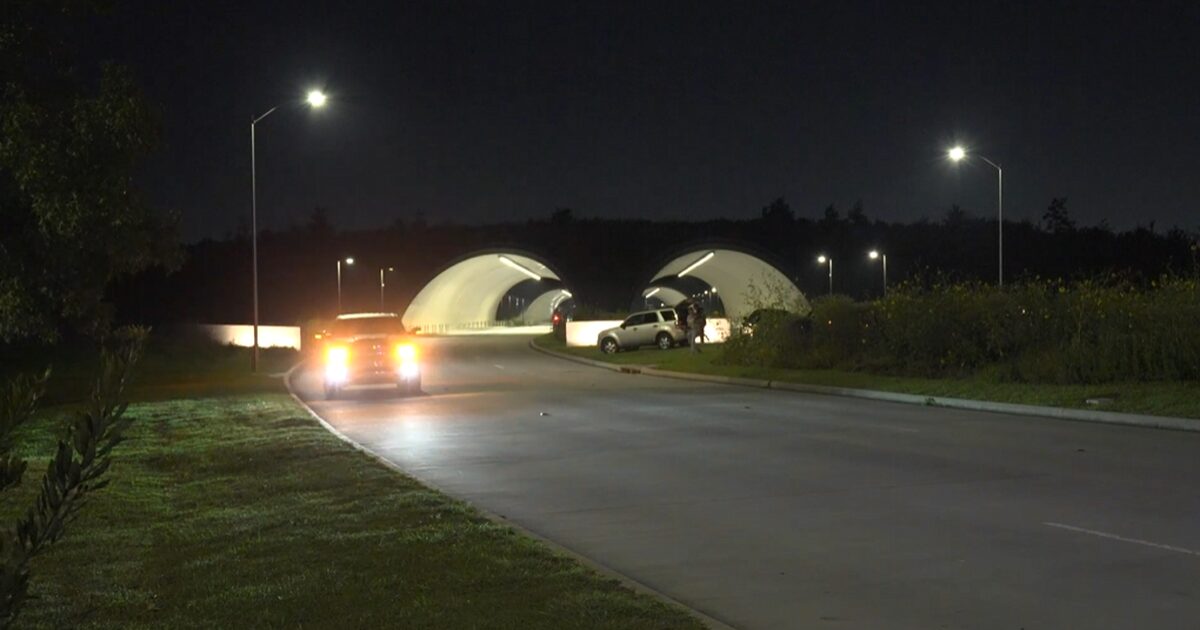
Early on a recent Sunday morning, a 21-year-old motorcyclist reportedly died in a single-vehicle crash inside one of the tunnels at Memorial Park in Houston. According to local reporting, Houston police and fire crews responded to the 6900 block of Memorial Drive around 1 a.m. and found the rider had already suffered fatal injuries at the scene.
Investigators reportedly said the rider had been out with coworkers at a nearby entertainment venue before pulling into the park. He is said to have attempted a high-speed run through the tunnel — a maneuver riders sometimes use to amplify the sound of their engine — and lost control. He was ejected from the motorcycle, which came to rest in a nearby ditch.
According to reports, the rider was wearing a helmet and full protective gear. Statements from friends at the scene reportedly indicated that alcohol may have been a factor. The rider's name has not been released publicly pending family notification, and the Houston Police Department has said the crash remains under investigation.
Nothing here has been established in court. The details above come from initial police statements and local news reporting, and they may change as the investigation continues.
Why It Matters Legally
Even when a crash appears to involve only one vehicle and one rider, lawyers who handle motor vehicle cases often look at the situation from several angles. Under the broad umbrella of personal injury law, a fatal solo crash can touch on:
- Wrongful death and survival claims, which allow certain surviving family members to seek compensation when a loved one dies because of someone else's negligence.
- Dram shop liability, which in Texas generally allows claims against bars, restaurants, or other alcohol sellers that serve a visibly intoxicated person who then causes harm.
- Premises or roadway liability, which can apply if a road, tunnel, or park feature was unreasonably dangerous or poorly maintained.
- Product liability, which could come into play if a motorcycle component reportedly failed and contributed to the loss of control.
Who Could Be Affected
Cases like this can matter to a wider group of people than just the rider's immediate circle. Categories who may have legal questions after a similar incident generally include:
- Surviving spouses, children, and parents, who under Texas law are typically the people allowed to bring wrongful death claims.
- The estate of the person who died, which may pursue a separate "survival" claim for damages the person suffered before death.
- Other riders or passengers injured in group rides or related crashes.
- Coworkers or friends who were present and may be witnesses — or, in some cases, hosts who served alcohol.
- Nearby drivers or pedestrians who could be affected by high-speed activity in shared public spaces.
How Cases Like This Generally Work
When a lawyer looks at a fatal motorcycle crash, the early work is usually about preserving and understanding evidence before it disappears. That typically includes:
- The police investigation. Crash reports, scene photos, measurements, and any reconstruction findings are often central. In fatal cases, agencies frequently produce a more detailed report than in a routine fender-bender.
- Toxicology and medical records. If alcohol or drugs are suspected, blood testing results can shape both criminal and civil questions. Autopsy findings can also matter.
- The motorcycle itself. Attorneys often ask that the bike be preserved so an engineer can examine tires, brakes, throttle, and electronics for any sign of mechanical failure.
- The roadway or tunnel environment. Lighting, signage, pavement condition, and sight lines can matter, especially in enclosed structures where sound and visibility behave differently.
- Witness accounts. Statements from friends, coworkers, or bystanders may support or contradict initial impressions.
- Any alcohol service history. In potential dram shop cases, receipts, server training records, and surveillance video from a bar or restaurant can be key.
Timelines matter too. In Texas, the statute of limitations for most personal injury and wrongful death claims is generally two years from the date of the incident, though exceptions exist. Claims involving government entities — for example, a city-owned park or roadway — often carry much shorter notice deadlines, sometimes just a few months.
What to Watch Next
As the investigation moves forward, follow-up reporting or public records may show:
- A final crash report from the Houston Police Department, including any determination about speed and alcohol.
- Toxicology results, which can take weeks or months.
- Any statement from the family, which sometimes signals whether they intend to look into civil claims.
- Whether any businesses that reportedly served the rider that night face scrutiny under Texas's dram shop framework.
- Any inspection findings related to the motorcycle or the tunnel area.
- Possible policy discussion about safety features, lighting, or access controls in park tunnels used at night.