What Happened
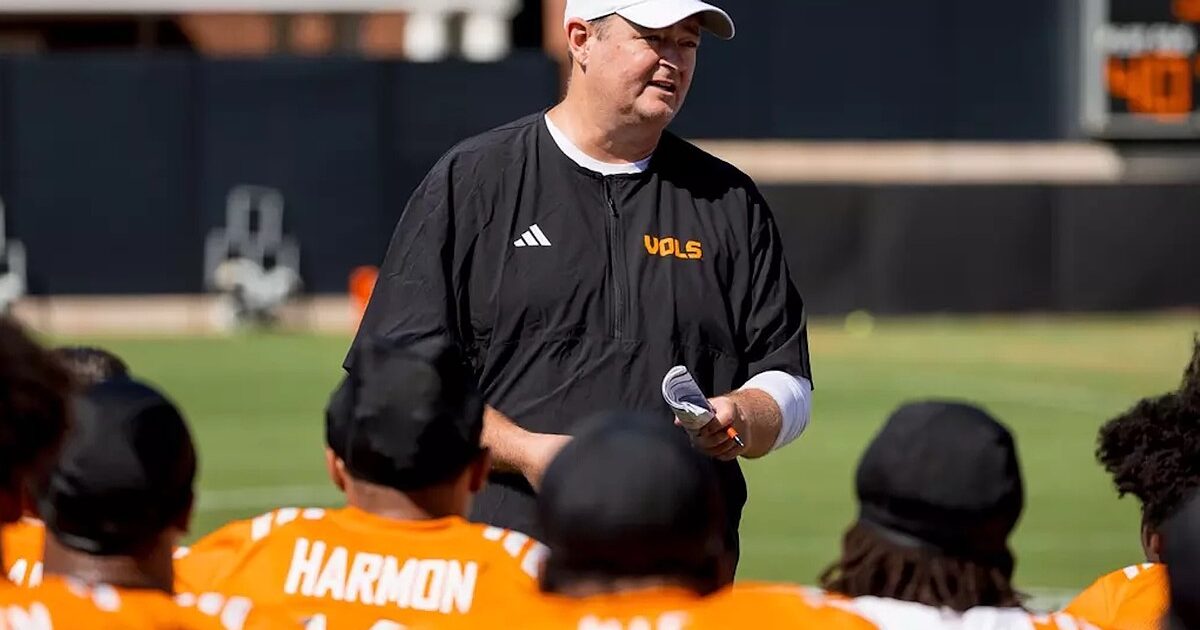
A major college football program in Tennessee opened its preseason camp this week, and coaches reportedly told the media that a highly rated freshman receiver — described as the top-ranked receiver in his recruiting class and originally from Mississippi — is expected to be a full participant soon after being limited early in camp due to what he called a soft-tissue issue. Coaches also praised another freshman receiver who joined the program over the summer.
In the same round of press coverage, the program's head coach commented on a former player, now an offensive lineman for an NFL team based in Illinois, who reportedly signed a four-year contract extension valued at roughly $116 million, with about $93 million of that guaranteed. The player was a top-ten pick in the 2023 NFL Draft.
On its face, this is a sports story. But the numbers, the contract structure, and the presence of a high-profile college recruit all sit squarely on top of business and corporate law concepts that affect far more than just athletes.
Why It Matters Legally
Professional sports contracts — and increasingly, college Name, Image, and Likeness (NIL) agreements — are commercial contracts. They generally involve the same building blocks as any other high-value personal services deal: offer, acceptance, consideration, guaranteed and contingent payments, termination triggers, and dispute-resolution clauses.
The reported $116 million total value versus $93 million guaranteed figure is a good example. In most industries, when people hear a big contract number, they assume the full amount is locked in. In practice, the enforceable, must-pay portion is often smaller than the headline figure. That gap is where contract lawyers and business litigators tend to spend most of their time — negotiating what triggers a payout, what allows a team or company to walk away, and what happens if either side underperforms or gets hurt.
On the college side, NIL arrangements generally look like endorsement or licensing contracts. A student-athlete may agree to promote a brand, appear at events, or license their likeness. Those agreements can include exclusivity clauses, morals clauses, term lengths, and — importantly — real legal remedies if either party breaches.
Who Could Be Affected
Cases like these can affect a wide range of people, even those who never step on a field:
- Professional athletes negotiating guaranteed money, signing bonuses, injury protection, and off-field conduct clauses.
- College athletes entering NIL deals with local businesses, national brands, or collectives, sometimes without much legal review.
- Team and business owners who need contracts that protect their investment if a signed talent underperforms, gets injured, or leaves early.
- Agents, marketing agencies, and collectives whose commissions and obligations flow from these underlying agreements.
- Everyday professionals — executives, on-air talent, consultants, physicians — whose employment or independent contractor agreements use many of the same clauses that appear in sports deals.
How Cases Like This Generally Work
When disputes arise around contracts of this type, they typically fall into the business litigation lane rather than personal injury or criminal court. A lawyer looking at a contract dispute would generally start by asking:
- What does the written agreement actually say? Courts generally begin with the plain language of the contract. Verbal understandings, press conferences, or public statements usually cannot override clear written terms.
- Was anything guaranteed? The distinction between guaranteed money and non-guaranteed money can determine whether a party is entitled to full payment or only a fraction if the relationship ends early.
- What events trigger termination or forfeiture? Injury, failure to report, disciplinary action, off-field conduct, and performance benchmarks are common triggers in sports deals and in many executive agreements.
- Is there an arbitration clause? Many high-value contracts, including those governed by collective bargaining agreements, generally require disputes to be resolved through arbitration rather than public court proceedings.
- What is the timeline? Statutes of limitations for breach of contract vary by state, but generally range from three to six years. Contractual notice-and-cure provisions may shorten the practical window.
What to Watch Next
Readers following the business side of sports over the coming months may see several types of legal developments worth watching:
- NIL enforcement actions. Regulators, universities, and collectives are still working through what NIL contracts can and cannot require. Expect continued guidance and possibly litigation.
- Guaranteed-money trends. Each new record contract reportedly puts pressure on future negotiations. Business litigators generally watch how guarantee structures evolve, because the same trends often filter into executive compensation.
- Injury-related disputes. When an athlete is limited or held out — as reportedly happened with the freshman receiver in this story — future disagreements sometimes arise over medical clearance, disability designations, and insurance coverage. These are generally handled as contract or insurance matters.
- Agency and representation issues. Disputes between athletes and their agents, or between competing agencies, generally proceed as business litigation and are often decided under state agent-regulation laws.
- Tax and entity structuring. Athletes signing large deals frequently form business entities to manage income and endorsement revenue. Those structures can create their own contract and governance questions down the road.
Frequently Asked Questions
Why is guaranteed money in a sports contract such a big deal?
Guaranteed money is generally the portion of a contract that a team or employer must pay even if the relationship ends early, subject to specific exceptions. Non-guaranteed money may be forfeited if the player is cut, retires, or fails to meet benchmarks. That difference can shift the real value of a deal by tens of millions of dollars.
Are NIL deals for college athletes legally enforceable contracts?
Generally, yes. NIL agreements typically function like standard endorsement or licensing contracts, and both sides may have real legal obligations. Breach of an NIL deal could lead to a business litigation claim, depending on the terms and the governing state law.
Can a team void a contract if a player gets injured?
It depends on the specific contract. Some agreements include injury guarantees that protect the athlete, while others allow the team to reduce or terminate payments under certain conditions. The written terms — not general assumptions — typically control the outcome.
Do college recruits need lawyers when signing NIL agreements?
While every situation is different, many advisors generally recommend that anyone signing a substantial contract have it reviewed by a qualified professional. NIL deals can include exclusivity, morals clauses, and long tail obligations that may not be obvious to a first-time signer.
What kind of lawyer handles sports contract disputes?
These matters generally fall under business and corporate law, and more specifically business litigation. Some attorneys focus on sports and entertainment, but the underlying legal principles are the same ones used in executive compensation, licensing, and commercial contract cases.
How long do parties usually have to sue over a broken contract?
Statutes of limitations vary by state, but breach of written contract claims generally fall in the three-to-six-year range. Contracts themselves may also set shorter notice or claim deadlines, so acting quickly is typically important.
Are press conference statements legally binding?
Generally, no. Public comments by coaches, executives, or players usually do not modify a signed written contract, especially when the agreement contains an integration clause stating that the writing is the complete agreement. They may still be used as evidence in some disputes.
What is a morals clause and why do sports and endorsement deals include them?
A morals clause generally allows one party to terminate or reduce payments if the other party engages in conduct that damages their reputation or the counterparty's brand. These clauses are common in endorsement, media, and executive agreements, and they can be a frequent source of business disputes.