What Happened
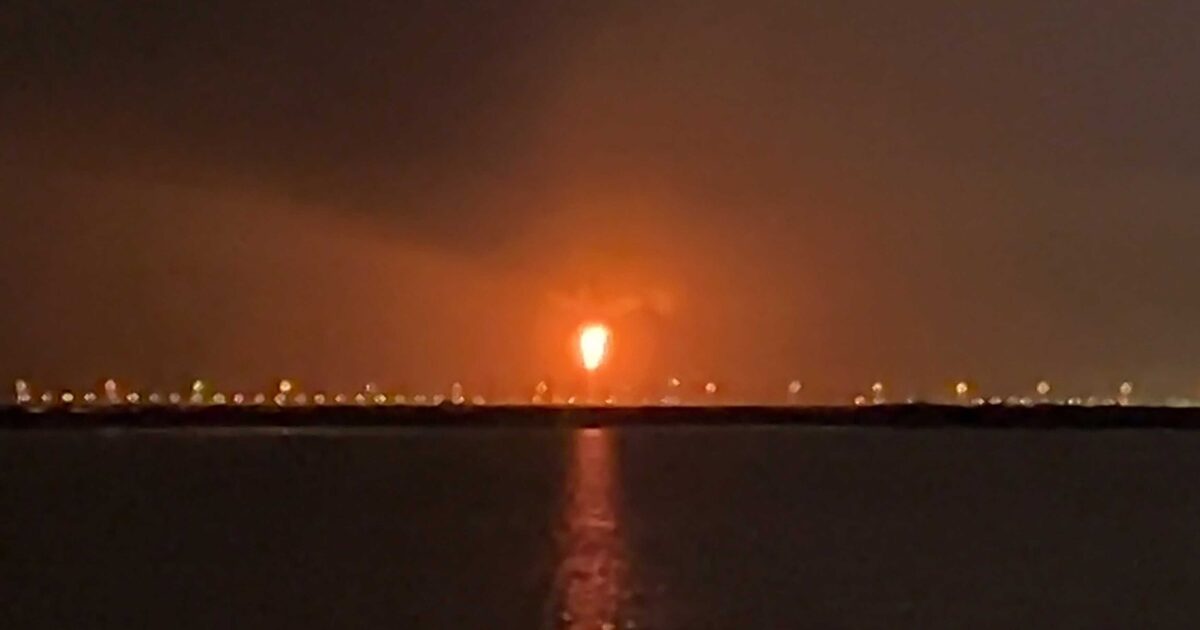
An explosion reportedly tore through a major natural gas export facility in Qatar in late June, killing at least 13 workers and injuring dozens more, according to statements from Qatari officials cited in news reports. The blast is said to have occurred at the Barzan gas plant inside the Ras Laffan industrial complex, one of the largest liquefied natural gas hubs in the world.
According to reports, the incident happened as crews were attempting to bring the terminal back online following an earlier shutdown. Qatari authorities have publicly described the event as an industrial accident. A state-owned energy company holds nearly all of the plant, while a U.S.-based oil major is reported to hold a small stake.
At the time of writing, the full scope of injuries, missing persons, and property damage is still being confirmed. Because the situation is developing, some of the specifics may change as investigators release more information.
Why It Matters Legally
A large industrial explosion touches several areas of law at once, which is why lawyers pay close attention to incidents like this even when they occur outside the United States.
First, there are workplace safety and workers' compensation questions. In most legal systems, employers owe workers a duty to provide a reasonably safe workplace, and when that duty is allegedly breached, injured workers or the families of those who die may have a claim for benefits or damages.
Second, there are third-party liability questions. Industrial sites are usually operated by a mix of the plant owner, contractors, subcontractors, and equipment manufacturers. If a piece of equipment allegedly failed, or if a contractor allegedly ignored a safety procedure, parties beyond the direct employer can sometimes be pulled into a lawsuit.
Third, there are product liability questions. If a valve, sensor, pipeline component, or control system is later alleged to have malfunctioned, its manufacturer could potentially face claims.
Finally, there are cross-border and jurisdictional questions. When a foreign accident involves an American company, a U.S. citizen, or equipment designed or sold in the United States, U.S. courts can sometimes hear part of the case. That is a complex, fact-driven analysis that generally requires specialized legal help.
Who Could Be Affected
Incidents like this ripple outward. In general terms, the categories of people who might have legal questions after a similar event include:
- Injured workers who were on site and suffered burns, blast injuries, hearing loss, or long-term respiratory harm.
- Families of workers who died, who may have wrongful death claims depending on where the worker was employed and under what contract.
- Contractors and subcontractors performing maintenance, restart procedures, or inspections, who may have their own workers' comp or negligence exposure.
- Nearby residents and businesses affected by the fire, air quality changes, or evacuation orders, who may have property or nuisance-related claims in some jurisdictions.
- Downstream customers and utilities that depended on the facility's output, though these are typically contract disputes rather than personal injury matters.
How Cases Like This Generally Work
Most personal injury cases arising out of an industrial disaster follow a similar general arc, even though the specifics vary widely.
Early fact-finding. In the first days and weeks, government agencies, the plant operator, and independent investigators typically try to determine what caused the blast. Was it a leak? A pressure surge? A control-system failure? A human error during startup? The answers shape which legal theories are available.
Preservation of evidence. Lawyers who represent injured workers or families usually move quickly to make sure physical evidence, maintenance records, training logs, and internal communications are preserved. Once that evidence is lost, cases become much harder to prove.
Identifying every potentially responsible party. A skilled injury lawyer generally looks well beyond the direct employer. Equipment makers, engineering firms, safety consultants, and joint venture partners can all become part of the picture, depending on the facts.
Workers' compensation vs. lawsuit. In many systems, an injured worker's claim against their direct employer is limited to a workers' comp system. But claims against third parties — like an equipment manufacturer — are often filed as separate lawsuits and can potentially recover a broader range of damages.
Timelines. Statutes of limitations vary by country and by claim type. In the U.S., personal injury deadlines commonly range from one to several years, while wrongful death timelines are often shorter. When international law is involved, deadlines can be even more complicated. This is why it generally helps to talk to a lawyer sooner rather than later.
Damages. In cases where liability is eventually established, recoverable damages typically include medical expenses, lost wages, pain and suffering, and — in death cases — loss of financial support and loss of companionship for surviving family members. Punitive damages may be available in some jurisdictions if conduct is proven to be especially reckless.
What to Watch Next
For readers following this story, several developments are worth watching in the coming weeks and months:
- Official cause reports from Qatari regulators and the plant operator, which may or may not be made public.
- Statements from the minority corporate stakeholder, which has been reported to hold a small share of the facility.
- Any civil filings, whether in Qatar, the United States, or another jurisdiction where affected workers or families reside.
- Regulatory or industry-wide safety notices, which sometimes follow major incidents and can point to whether similar risks exist at other plants.
- Insurance and reinsurance disclosures, which can offer clues about the scale of the loss.