What Happened
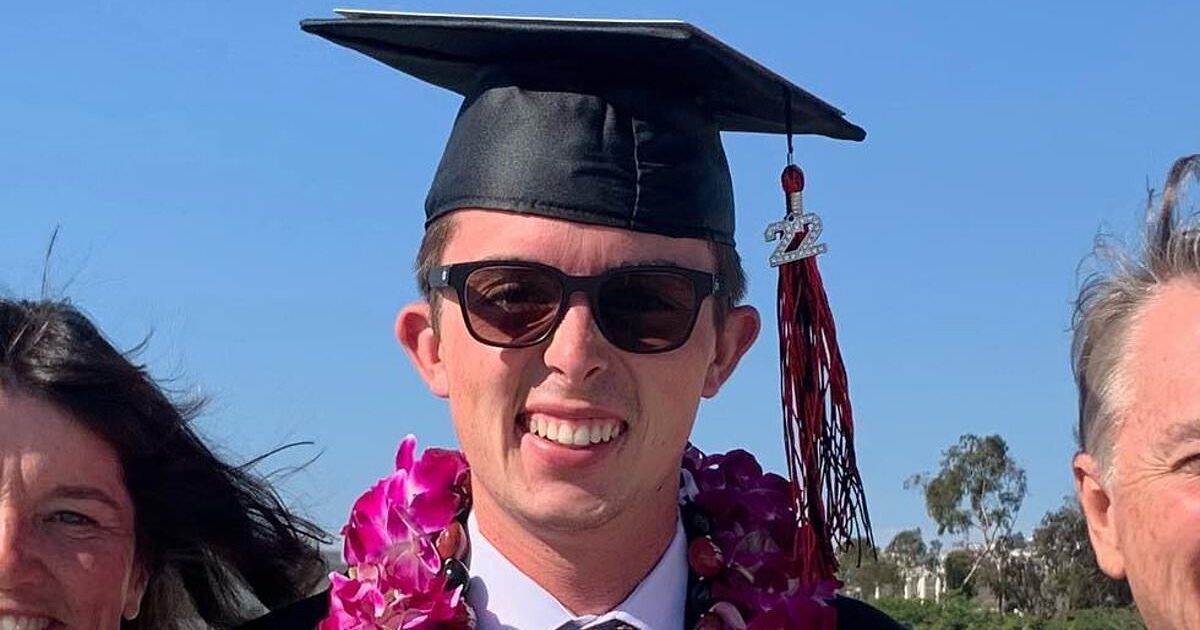
A family in Southern California has reportedly filed a wrongful death lawsuit tied to a high-speed roller coaster at a major theme park. According to news reports, a 22-year-old man rode the attraction in June 2022, appeared unwell after stepping off, and collapsed shortly afterward. He was rushed to a hospital and died the next day.
The county medical examiner reportedly listed blunt head trauma as the cause of death. The lawsuit alleges the ride was unusually rough and that violent jerking motions caused catastrophic brain injuries. A younger sibling who was on the ride told reporters that the coaster ended with a sudden stop that slammed riders' heads backward into the headrests. A surgeon reportedly compared the internal injuries to the kind of trauma seen in violent shaking cases.
The same ride was reportedly shut down for about a month last month after a separate incident in which another rider was found unconscious. A jury trial in the family's civil case is reportedly set to begin in September. The park has been asked for comment by news outlets. None of the allegations in the lawsuit have been proven in court.
Why It Matters Legally
Cases like this sit at the crossroads of several areas of personal injury law. The most common framework is premises liability, which generally holds businesses that invite the public onto their property to a duty of reasonable care. For amusement parks, that duty typically includes properly maintaining rides, training operators, warning guests of known risks, and pulling attractions out of service when problems appear.
A second framework that often comes into play is product liability. If a ride's design, manufacture, or replacement parts are alleged to have caused injury, the manufacturer or a maintenance contractor could potentially be named in addition to the park. In some states, roller coasters are also regulated as "common carriers" — the same higher standard of care that applies to buses and airlines — which can raise the bar for what the operator must do to keep passengers safe.
Finally, when a rider dies, the case is generally brought as a wrongful death action by surviving family members. Wrongful death laws vary from state to state in terms of who may file, what damages are available, and how long families have to bring a claim.
Who Could Be Affected
While the reported case involves one family, the legal issues touch a much wider group of people. Categories that may want to understand their general rights include:
- Amusement park and fair guests who suffer head, neck, spine, or internal injuries during or shortly after a ride.
- Families of riders who died after an amusement attraction incident, who may have wrongful death options depending on state law.
- Season pass holders and annual guests, some of whom may have signed waivers whose enforceability can vary.
- Park employees injured while operating or maintaining rides, whose claims are typically routed through workers' compensation but who may have third-party claims in certain situations.
- Bystanders hurt by mechanical failures, ejected objects, or evacuation incidents.
How Cases Like This Generally Work
Personal injury cases involving amusement rides tend to follow a familiar arc, though every case is different.
1. Immediate evidence gathering. Lawyers generally look first at ride maintenance logs, inspection records, prior incident reports, operator training files, and any video from ride cameras or nearby guests. Because rides can be quickly repaired or modified, preserving the scene and the equipment is often a top priority.
2. Medical documentation. In head and brain injury cases, hospital records, imaging, and — in fatal cases — the medical examiner's report typically play a central role. Experts may be asked whether the mechanism of injury is consistent with the forces a ride can produce.
3. Expert analysis. Engineers, biomechanics specialists, and ride-safety experts often review whether the attraction was operating within its designed parameters. They may compare g-forces, restraint design, and headrest positioning to industry standards.
4. Identifying the right defendants. Depending on the facts, potential defendants can include the park operator, the ride manufacturer, a maintenance contractor, or a parts supplier. Corporate ownership can be complex, and figuring out who is actually responsible is often an early hurdle.
5. Timelines. Every state has a statute of limitations — a legal deadline — for personal injury and wrongful death claims. It generally ranges from one to three years, though some states allow longer. Missing that window can bar the case entirely, which is why timing is often critical.
6. Resolution. Most personal injury cases settle before trial. When they do go to a jury, the outcome typically depends on how convincingly each side ties the injury to a specific act of negligence or a product defect.
What to Watch Next
Readers following coverage of the reported case — or similar incidents in the future — may want to look for a few things:
- Court filings and trial updates. Public court records generally show what claims are being made, what defenses are raised, and whether the case settles or goes to verdict.
- State agency involvement. Many states have a division that inspects amusement rides. In California, for example, that role is handled by the state's occupational safety agency. Reports of inspections, citations, or shutdown orders often surface in follow-up coverage.
- Ride status. Temporary closures, redesigns, or permanent retirements can signal how seriously operators and regulators are taking a potential safety issue.
- Similar incidents. If more riders come forward with reports of injuries on the same attraction, that pattern can become important evidence in a civil case.
- Industry response. Trade groups sometimes issue new guidance after high-profile incidents, which can shape what "reasonable care" looks like going forward.
Frequently Asked Questions
Can you sue an amusement park if you get hurt on a ride?
Generally, yes — an injured guest may be able to bring a personal injury claim if the park's negligence contributed to the injury. Whether a claim succeeds depends on evidence, state law, and any waivers involved. A lawyer would typically review the specific facts before advising on options.
Do amusement park waivers block all lawsuits?
Not always. Courts generally enforce waivers for ordinary risks of an activity, but many states limit their reach when gross negligence, reckless conduct, or product defects are alleged. The enforceability of a specific waiver often depends on state law and how the document was written.
What is a wrongful death lawsuit?
A wrongful death lawsuit is generally a civil claim brought by close family members after someone dies as a result of another party's negligence or wrongful act. Damages may include funeral costs, lost income, and the loss of companionship, though the specifics vary by state.
How long do families have to file a claim after a fatal ride incident?
Each state sets its own deadline, known as a statute of limitations. For personal injury and wrongful death claims, it generally ranges from one to three years from the date of death or injury. Missing the deadline can permanently bar a claim, so timing is often critical.
Who can be sued after a serious ride injury?
Potential defendants may include the park operator, the company that designed or built the ride, a maintenance contractor, or a parts supplier. In some cases, more than one party is named. Identifying the correct defendants generally requires investigation into how the ride was operated and maintained.
What kind of evidence matters most in a roller coaster injury case?
Maintenance and inspection records, prior incident reports, ride camera footage, witness statements, medical records, and expert engineering analysis are generally among the most important. Because physical evidence can be altered or lost quickly, early preservation is often a priority.
Are roller coasters regulated by the government?
Yes, though the rules differ by location. Some states inspect rides through a labor or safety agency, while others rely more heavily on private inspectors. Federal oversight is generally limited for fixed-site amusement parks, which is why state agencies typically play the leading role.
Does a medical examiner's report affect a civil lawsuit?
It often can. In fatal cases, the medical examiner's findings on cause and mechanism of death may become important evidence. However, a civil jury generally considers the full record — including expert testimony — rather than relying on any single document.