What Happened
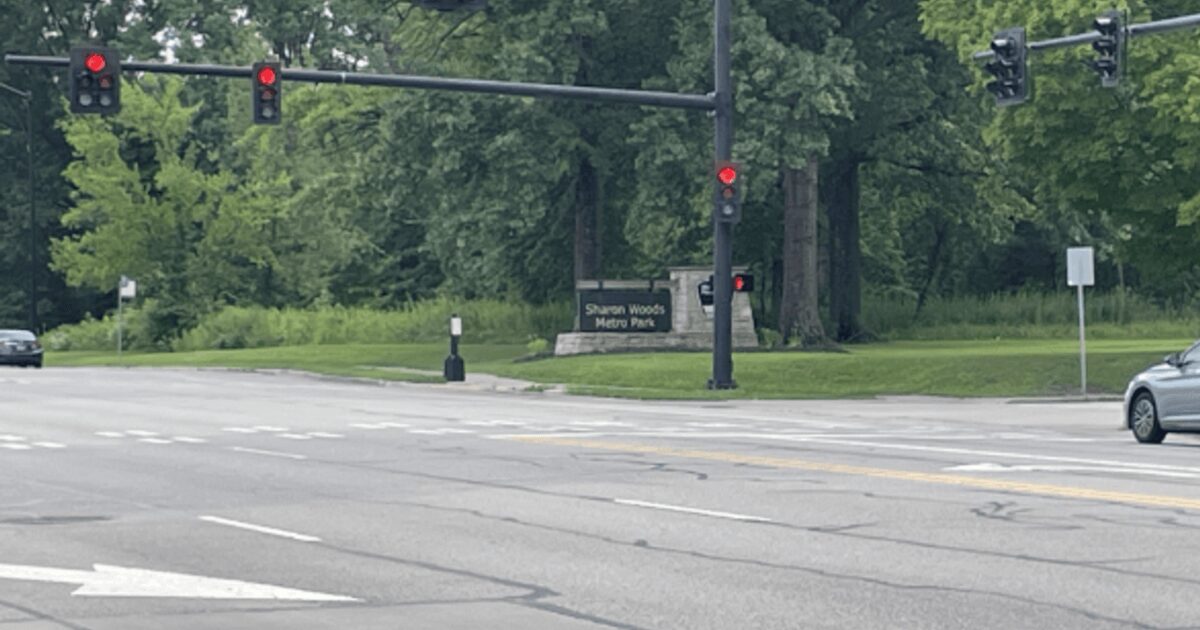
According to local reporting out of central Ohio, a man was shot and killed by police on a Saturday afternoon near Sharon Woods Metro Park, just north of Columbus. The events reportedly began earlier that day when Genoa Township police received a call about an alleged sexual assault, along with information that the suspect may have been armed.
Officers reportedly identified a person they believed matched the description and, with help from other agencies, conducted a traffic stop in the park area. During what the local police chief described as a brief interaction, at least one officer reportedly fired, and the person who was struck was later pronounced dead. No officers were reported injured.
The Ohio Bureau of Criminal Investigation (BCI) has reportedly taken over the review of the shooting at the local department's request. The officer who fired is expected to be placed on administrative leave while that review is underway. A separate investigation into the original sexual assault allegation is also reportedly continuing.
This explainer walks through the general legal landscape around incidents like this one. It is not a comment on whether anyone acted lawfully — those questions are for investigators and, potentially, courts.
Why It Matters Legally
An officer-involved shooting can touch several areas of law at once. On the criminal side, prosecutors and investigators generally look at whether the use of deadly force was legally justified under state law and constitutional standards. On the civil side, the deceased person's family may have potential claims under wrongful death statutes and, in some cases, federal civil rights law.
Separately, the underlying sexual assault report is its own matter. That investigation continues regardless of what happened during the traffic stop, and it may involve alleged victims, witnesses, and evidence that outlive the encounter itself.
Lawyers who work in personal injury and civil rights pay close attention to cases like this because they sit at the intersection of tort law (harm caused to a person), constitutional law (limits on government power), and public accountability. Even when facts are still developing, the general legal framework is fairly consistent from case to case.
Who Could Be Affected
Incidents like this one can create legal ripples for several groups of people, generally including:
- Family members of the person who died. Surviving relatives may, depending on the facts and applicable state law, have standing to pursue a wrongful death claim or a federal civil rights claim if they believe force was excessive.
- Alleged victims of the underlying crime. A person who reported the initial assault may still be a witness or complainant in an ongoing criminal case, and may also have their own separate civil options against an alleged attacker.
- Bystanders and witnesses. People who saw part of the encounter may be asked to give statements, and in rare cases may themselves have claims if they were physically or emotionally harmed.
- The officers involved. Officers can face internal review, potential criminal exposure, and civil lawsuits, though many jurisdictions provide certain legal protections while investigations are pending.
- The employing agencies. Police departments and local governments can, in some situations, be named in civil suits alleging patterns of inadequate training or supervision.
How Cases Like This Generally Work
In general, when a police shooting results in a death, several parallel tracks tend to move at once.
Independent investigation. It is common for an outside agency — in Ohio, often BCI — to take the lead so the local department is not investigating itself. Investigators typically collect body camera and dash camera footage, witness statements, ballistic evidence, and scene photographs.
Prosecutorial review. Once the investigation is complete, prosecutors generally decide whether any criminal charges are warranted against the officer or others involved. In some jurisdictions, the matter goes to a grand jury.
Civil claims. If a family or estate believes force was excessive, they may consider a civil lawsuit. In federal court, this often takes the form of a claim under 42 U.S.C. § 1983, which allows people to sue government actors for alleged violations of constitutional rights. State law wrongful death claims may also be available. Officers and agencies commonly raise defenses such as qualified immunity, which can be a significant hurdle.
Evidence that typically matters. Lawyers reviewing these cases generally look closely at what the officers knew before the encounter, how much time passed between commands and shots being fired, whether the person was actually armed, the angle and distance of any shots, and how consistent the physical evidence is with the officers' accounts.
Timelines. Civil claims are limited by statutes of limitations, which vary by state and by the type of claim. Personal injury and wrongful death deadlines are often measured in one to three years, though federal civil rights deadlines can differ. Missing a deadline can end a case before it starts, which is why families in these situations typically consult counsel relatively early.
What to Watch Next
Follow-up reporting on incidents like this often includes:
- Release of body camera or dash camera video, sometimes after a delay for investigative reasons.
- Identification of the officer who fired and the person who died, along with additional background.
- Public statements from BCI or the county prosecutor about findings.
- Any charging decision — either against the officer or in the underlying sexual assault case.
- Civil filings by the estate or family, which would generally be public court records.
- Policy changes at the involved department, such as training updates or procedural reviews.