What Happened
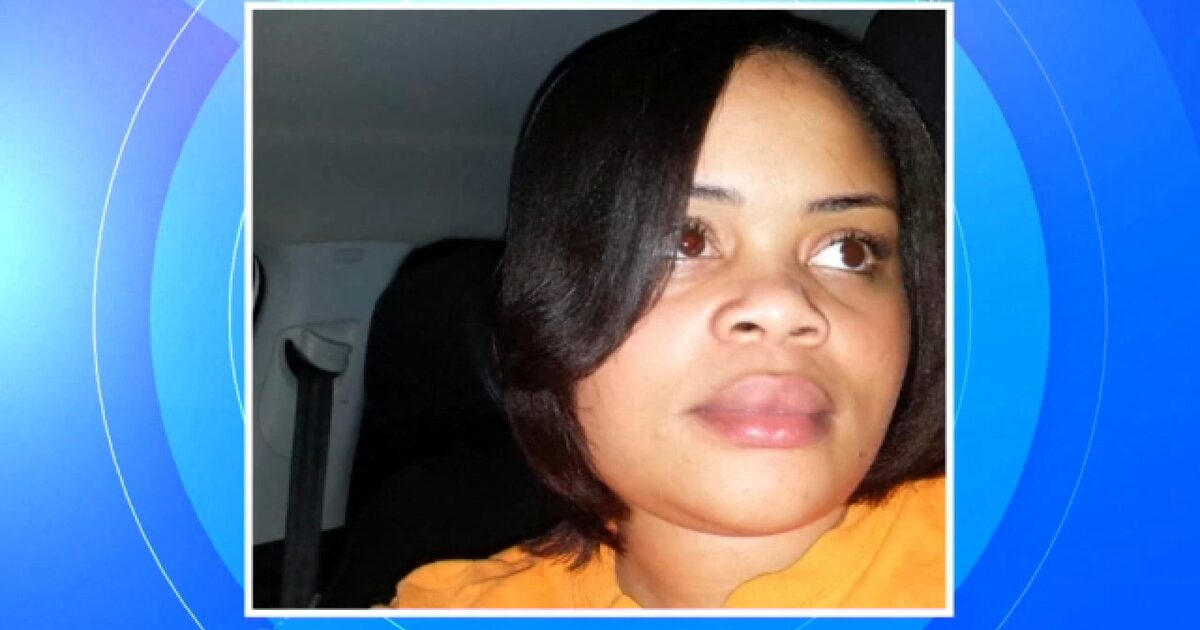
A Texas city council has reportedly voted to approve an $11.25 million civil settlement with the family of a woman who was shot and killed by a police officer inside her own home in October 2019. According to reports, the vote was unanimous, and the agreement now heads to a probate court for final review because minor children are among the people set to receive funds.
The underlying incident, as widely reported at the time, involved officers responding to a nonemergency welfare check in the early morning hours after a neighbor noticed an open door. The officer who fired the fatal shot reportedly did not announce himself as police before shooting through a window. He later resigned, was charged criminally, and in December 2022 was reportedly convicted of manslaughter and sentenced to more than 11 years in prison.
The civil settlement stems from a wrongful death lawsuit reportedly filed by the woman's estate in 2021 against the city and its police department. According to reports, the city previously authorized a separate $3.5 million settlement in 2023 tied to a lawsuit brought on behalf of the young nephew who witnessed the shooting.
Why It Matters Legally
This case sits at the intersection of several major areas of law that ordinary people rarely think about until tragedy strikes: civil rights, wrongful death, municipal liability, and probate.
When someone is killed during a law enforcement encounter, families may pursue what is generally called a wrongful death claim in state court and/or a federal civil rights claim under Section 1983, which allows lawsuits against government officials who allegedly violate constitutional rights while acting in their official capacity. These are civil cases, meaning they seek money damages rather than jail time.
What makes this settlement notable, according to reports, is that the family reportedly obtained accountability in both the criminal and civil systems — an outcome that legal commentators generally describe as unusual. The criminal case asked whether the officer broke the law beyond a reasonable doubt. The civil case, by contrast, generally asks whether the government or its employee caused harm under a lower standard of proof, and whether money is owed to the survivors.
Cases like this also draw attention because they can shape how cities train officers, revise policies, and budget for future risk.
Who Could Be Affected
While every case is different, the categories of people who might face similar legal questions after a serious incident with police or another government agency generally include:
- Immediate family members (spouses, children, parents) of someone killed during a law enforcement encounter, who may have standing to bring a wrongful death claim.
- Estates of deceased individuals, which can generally pursue a "survival" claim for harm the person experienced before death.
- Witnesses, including children who saw a loved one hurt or killed, who may in some circumstances have their own claims for emotional harm.
- People injured — not killed — during police encounters, who could potentially pursue civil rights or excessive force claims.
- Bystanders and neighbors whose property or safety was affected.
How Cases Like This Generally Work
Civil claims involving police conduct tend to follow a longer, more complicated path than a typical car accident case. Here's the general shape:
1. Notice and deadlines. When a government entity is a potential defendant, most states require the injured party or family to file a formal notice of claim within a short window — sometimes as little as a few months. Missing that deadline can end a case before it starts.
2. Investigation and evidence. Lawyers generally look at body-worn camera footage, dispatch recordings, internal affairs reports, training records, use-of-force policies, and any criminal proceedings. In this reported case, the criminal trial produced sworn testimony and a conviction that could be referenced in the civil matter.
3. Legal theories. A family may pursue wrongful death under state law, a federal civil rights claim, or both. Municipalities may raise defenses such as governmental immunity, and individual officers may assert qualified immunity, a doctrine that generally shields officers from civil liability unless they violated a "clearly established" constitutional right.
4. Damages. Damages in wrongful death cases generally include lost financial support, lost companionship, mental anguish, and funeral costs. Some jurisdictions also allow punitive damages in cases of egregious conduct.
5. Settlement vs. trial. Most civil cases resolve before a jury verdict. A settlement is not an admission of legal fault — it is typically a negotiated resolution that avoids the cost, delay, and uncertainty of trial.
6. Probate approval for minors. When children are set to receive settlement money, a probate or surrogate's court generally must approve the arrangement and often orders the funds held in trust until the child turns 18 (or older, depending on the state).
Timelines are long. It is not unusual for a police-conduct civil case to take five to seven years from incident to resolution, as this case reportedly did.
What to Watch Next
Readers following coverage of this story or similar cases may see several types of follow-up developments:
- Probate court approval of the settlement structure, including how funds are held in trust for the minor beneficiaries.
- Policy changes at the police department, such as revised welfare check procedures, updated training on announcing officer presence, or new body-camera protocols.
- Reporting on the city's insurance or budget impact, since large settlements are often paid from a combination of self-insurance and general funds.
- Broader legislative debates at the state level about qualified immunity, use-of-force standards, and civilian oversight.
- Comparable lawsuits in other jurisdictions that cite this outcome as a benchmark.