What Happened
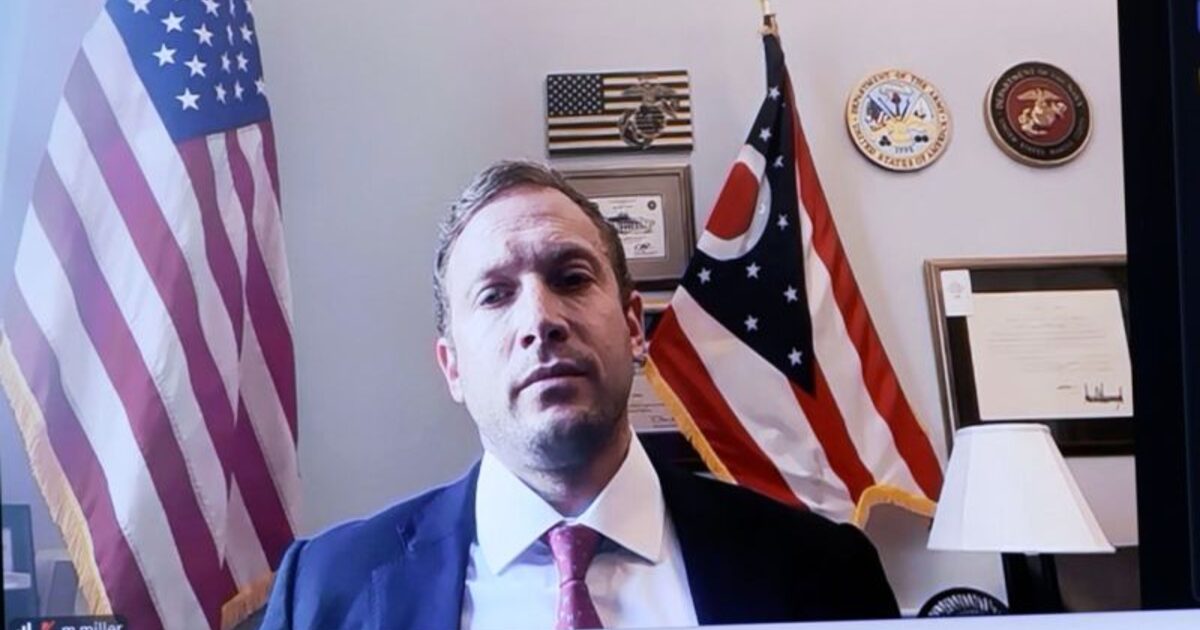
A sitting member of Congress from Ohio recently appeared by video before a county court judge to answer questions about whether he broke the terms of a 2023 civil settlement with a former partner, who is a well-known former White House press secretary. According to reports, the earlier settlement grew out of allegations of abuse — which the lawmaker denied — and a defamation suit he then filed against her. As part of the deal, both sides reportedly agreed not to publicly disparage each other.
At the recent hearing, the judge reportedly issued preliminary injunctions against both parties and ordered them to take down a number of social media posts that could be read as violating the no-disparagement terms. The dispute reportedly focused on posts from the lawmaker's account, at least one televised interview in which he was asked about the allegations, and a post from the other party that did not name him directly but was published on the same day as unrelated negative news coverage about him.
Both sides offered explanations. The lawmaker reportedly told the court that staff members ran his social accounts and that he did not personally author the posts in question. The other party testified that a post referencing "men with money and power" was about broader news events, not the lawmaker. The judge's orders are preliminary, meaning the underlying dispute is not fully resolved.
Why It Matters Legally
At its core, this is a contract enforcement story, which sits inside the broader world of business and civil litigation. When two parties settle a lawsuit, they usually sign a written agreement that ends the case in exchange for certain promises — money, silence, an apology, or all of the above. A non-disparagement clause is one of those promises. It generally says that neither side will make public statements that harm the other's reputation.
These clauses are everywhere. They show up in employment separation packages, business divorces between co-owners, defamation settlements, celebrity disputes, and consumer complaints against companies. Courts pay attention to cases like this one because they test the limits of how far a private contract can restrict public speech, how a judge should measure "disparagement," and what remedies are appropriate when someone allegedly crosses the line.
The case also touches on a growing legal question: who is responsible for a post made from your account? As more public figures and executives delegate social media to staff or agencies, courts are increasingly asked to decide whether the account holder is still on the hook for what goes out under their name.
Who Could Be Affected
While the parties here are high-profile, the underlying legal issues are common. People who may see themselves in a case like this include:
- Former employees who signed severance agreements with non-disparagement or confidentiality terms.
- Business partners who bought each other out and agreed not to badmouth each other or the company.
- Consumers who settled a claim with a company and agreed not to post negative reviews.
- Public figures, executives, and influencers whose social accounts are managed by staff or outside firms.
- Anyone bound by a settlement that ended a defamation, harassment, or personal dispute case.
How Cases Like This Generally Work
When someone believes a settlement agreement has been violated, the typical first step is not calling the police. Breaches of a private contract are generally handled through civil litigation, not criminal charges. A lawyer would usually start by:
- Reading the actual agreement carefully. The scope of a non-disparagement clause matters a great deal. Some cover only statements about the other person by name; others cover any implied reference. Some carve out truthful statements, legal proceedings, or responses to media inquiries.
- Gathering evidence. Screenshots, archived posts, video of interviews, and metadata showing when and from where a post was made are typically critical. Deleted posts can still be preserved through platform records or third-party archives.
- Sending a demand letter. Many disputes end here, with a quiet takedown and sometimes a payment.
- Filing a motion or new lawsuit. If the original settlement was filed with a court, the wronged party may return to that court. If it was fully private, a new breach-of-contract suit may be filed.
- Asking for a preliminary injunction. This is a court order requiring the other side to stop the alleged conduct — or, as reportedly happened here, to remove specific posts — while the case is sorted out. Judges generally weigh factors like the likelihood of success, whether the harm is ongoing, and the balance of hardships.
- Litigating damages. If a breach is proven, remedies can include money damages, additional injunctions, or in some agreements, liquidated damages — a pre-set dollar amount the parties agreed on in advance.
One recurring wrinkle is the "my staff did it" defense. Courts generally look at whether the account is controlled by the party, whether the party benefited from the post, and whether the party took prompt action to correct or remove it. Delegation alone usually does not erase responsibility.
What to Watch Next
Readers following this story or similar disputes may want to watch for:
- Compliance with the takedown orders and any follow-up motions accusing either side of ignoring them.
- A ruling on the merits — that is, whether the court ultimately finds the settlement was actually breached, not just that posts should come down for now.
- Possible damages awards if a breach is established, or a second settlement that rewrites the original terms.
- Appeals, since preliminary injunctions can sometimes be challenged before the main case is finished.
- Broader ripple effects, such as new employer or campaign policies about who controls official social media accounts and how posts are approved.