What Happened
A county commissioner in western Nebraska was reportedly arrested last Friday night on suspicion of driving under the influence after a state trooper allegedly found him unconscious behind the wheel of a running vehicle outside a restaurant in Sutherland. Local reporting indicates the official has served on the Lincoln County Board since early 2021 and was released after posting bond.
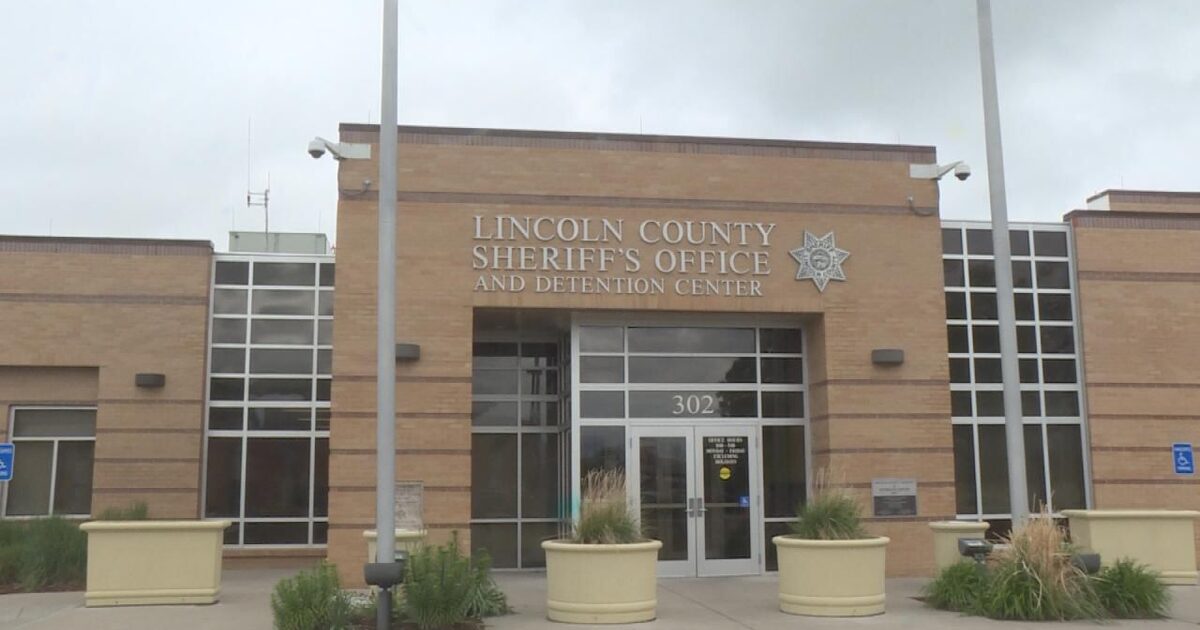
At a county board meeting the following Monday, the local sheriff reportedly took the podium to publicly criticize the commissioner's conduct during booking, alleging that the official verbally mistreated jail staff, threatened a detention officer's job, and directed profanities at a deputy's family member who happened to be at the scene of the traffic stop.
The meeting also drew emotional public comment. According to reports, one resident — a mother who lost a child to a drunk driver — urged the commissioner to step down. The official is separately said to be one of three commissioners facing a recall petition launched after a contentious vote on a data center project.
No court has ruled on the DUI charge. The commissioner has not been convicted, and the allegations about his behavior in custody remain just that — allegations.
Why It Matters Legally
This story sits at the intersection of several legal worlds: criminal law (the DUI charge itself), local government ethics (calls for resignation, an active recall), employment issues (the reported threat against a jail employee), and — most relevant to readers of a personal injury blog — civil liability for impaired driving.
For personal injury lawyers, DUI arrests are closely watched even when no crash occurred. That's because impaired driving is one of the most common fact patterns in serious injury and wrongful death lawsuits. A criminal case runs on one track (the state versus the driver). A civil case, if someone was hurt, runs on a parallel track (an injured person or family versus the driver and sometimes others). The two do not cancel each other out. A driver can be acquitted, convicted, or offered a plea deal and still face a separate lawsuit from anyone harmed.
Cases involving a public official also raise questions about accountability. Generally, elected officials do not have immunity for personal conduct off duty. A commissioner behind the wheel of a personal vehicle at night is typically treated the same as any other motorist under state driving laws.
Who Could Be Affected
Even though this particular arrest reportedly did not involve a collision, incidents like it are a useful lens for understanding who might have a legal claim in a more serious drunk-driving scenario. Categories that may be affected in similar situations generally include:
- Other drivers and passengers who are hit by an allegedly impaired motorist and suffer injuries.
- Pedestrians and cyclists, who are among the most vulnerable in impaired-driving crashes.
- Family members of someone killed by a drunk driver, who may have wrongful death standing under state law.
- Passengers riding with the impaired driver, who in many states can still pursue a claim depending on the facts.
- Property owners whose vehicles, fences, or buildings are damaged.
- First responders and bystanders who may be injured while responding to a crash scene.
How Cases Like This Generally Work
When a drunk driving incident leads to injuries, a civil personal injury case usually unfolds in a fairly predictable shape.
Early evidence gathering. Lawyers typically move quickly to preserve police reports, dashcam and bodycam video, 911 recordings, breath and blood test results, and any surveillance footage from nearby businesses. In a case where a driver was reportedly found unconscious behind the wheel, the officer's report and any toxicology results are often central.
Establishing negligence. In most impaired-driving civil cases, negligence is straightforward to argue because operating a vehicle while intoxicated is illegal on its face. Some jurisdictions apply a doctrine called "negligence per se," which generally means that violating a safety statute (like DUI laws) can itself help prove the driver breached a duty of care.
Damages. A personal injury claim typically seeks compensation for medical bills, lost income, future care needs, pain and suffering, and — in the case of a fatality — funeral costs and the loss of a loved one's companionship and support. Some states allow enhanced damages when a defendant's conduct is especially reckless, though Nebraska generally limits punitive-style awards more than many other states.
Timelines. Statutes of limitations set a deadline to file suit. In Nebraska, the general personal injury deadline is typically four years, and wrongful death claims usually must be filed within two years, but exceptions exist. In South Dakota and North Dakota, the windows differ. Anyone considering a claim generally should not wait, because evidence disappears quickly.
Insurance and assets. A driver's auto insurance is often the first source of recovery, followed by any umbrella policies. If damages exceed coverage, personal assets can come into play, though collecting on them is not always practical.
What to Watch Next
Readers following this story — or similar ones — can generally expect several developments over the coming weeks and months:
- Court filings on the DUI charge, including arraignment, any plea, and pretrial motions.
- Results of chemical testing, which are often released as the case moves forward.
- Any civil filing if someone claims they were harmed during or around the incident, including potential claims by jail staff related to alleged verbal threats.
- Employment or ethics action by the county board, though internal politics are separate from any injury claim.
- Progress of the recall petition against the commissioner, which is a political process independent of the courts.
- Public records requests by media outlets seeking dashcam footage and booking records.