What Happened
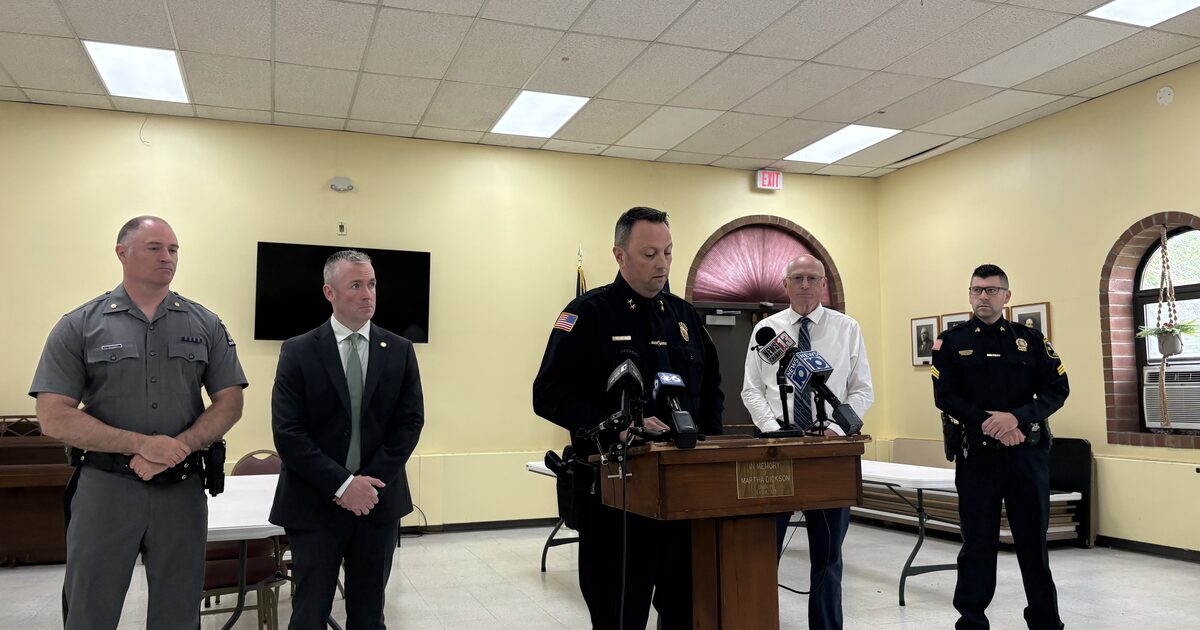
Authorities in Mechanicville, New York have reportedly released toxicology findings tied to the June deaths of four children and two adults inside a family home. According to a statement from the local police chief, all six individuals had fatal amounts of an over-the-counter allergy medicine in their systems. Testing also reportedly identified mitragynine — the primary active compound in kratom, a plant-based supplement sold widely in the United States — in four of the six.
Investigators have said the toxicology results are consistent with their earlier conclusion that the four children, ages 10 to 13, were killed by their mother and grandmother, and that the two adults then died by suicide. One child reportedly also had stab wounds. Police said messages exchanged between the two adults referenced an ongoing custody dispute with the children's father, who lives out of state and has reportedly denied any wrongdoing. Officials have not released the full toxicology report and say the investigation is ongoing.
News of the substances involved reportedly surfaced during a Rensselaer County legislative vote on a proposed local ban on kratom sales, which passed by a wide margin.
Why It Matters Legally
A case like this sits at the intersection of several different legal worlds. Even though the criminal investigation is essentially closed because the alleged perpetrators are deceased, the underlying facts can trigger civil claims, regulatory changes, and public-health scrutiny for years afterward.
A few broad legal categories often come into play in tragedies of this kind:
- Wrongful death. State laws generally allow certain surviving relatives to bring a civil lawsuit when someone dies because of another person's wrongful conduct. These cases are separate from any criminal prosecution.
- Product liability and consumer safety. When a widely sold product — including an over-the-counter medicine or an unregulated supplement — is linked to serious harm, plaintiffs' attorneys and regulators typically take a closer look at labeling, dosage warnings, and packaging.
- Family and custody law. Custody disputes are handled by state family courts, and allegations made by one parent against another can shape how a court structures parenting time and safety measures.
- Local and state regulation. Cities, counties, and states can pass laws restricting the sale of substances such as kratom, particularly after a high-profile incident.
Who Could Be Affected
Even though the immediate facts of this case are unusual, the broader legal questions it raises can touch many ordinary people. Categories of individuals who may want to understand the general legal landscape include:
- Parents in contested custody cases, who may wonder how allegations of harm are investigated and how courts weigh conflicting accounts.
- Surviving family members in any household where a sudden death occurs, who may have questions about wrongful death actions, insurance, and estates.
- Consumers who use over-the-counter medications, particularly for children, and want to understand dosage warnings and manufacturer responsibilities.
- People who use kratom or similar unregulated supplements, which are legal in some places and banned in others, sometimes changing quickly after local news events.
- Retailers and small business owners who sell supplements and could be affected by new municipal or county-level bans.
How Cases Like This Generally Work
In the personal injury space, cases involving a death in the home typically start with a factual investigation. Police, medical examiners, and toxicologists gather physical evidence and lab results. In a civil case that follows, attorneys generally look for several categories of proof:
- Cause of death and timeline. Autopsy and toxicology reports usually anchor the medical picture. Text messages, surveillance footage, purchase records, and witness statements can help establish what happened and when.
- Duty and breach. Civil liability generally requires showing that someone owed a legal duty to the person who was harmed and failed to meet that duty. In product cases, that duty may fall on manufacturers or sellers; in caretaking cases, on adults responsible for a child.
- Causation. Plaintiffs generally must connect the alleged wrongdoing to the specific harm suffered. In cases involving multiple substances, expert witnesses often testify about how those substances interact.
- Damages. Wrongful death statutes typically allow certain relatives to seek compensation for losses such as funeral costs, lost financial support, and the loss of a parent-child relationship. State law varies widely on who can sue and what damages are available.
In cases with heavy public attention, courts may also address issues like protective orders on sensitive evidence, sealed juvenile records, and coordination with any parallel regulatory investigation.
What to Watch Next
Because the alleged perpetrators are deceased, criminal charges are unlikely. But there are still several developments readers may see reported in the coming months:
- Full release of the toxicology report or additional forensic findings once investigators finish their work.
- Civil filings, which could include wrongful death claims brought on behalf of the children's estates or actions related to the products involved.
- Regulatory action on kratom, both at the county level in New York and potentially in other states. Kratom is currently regulated in a patchwork manner across the U.S., and high-profile incidents often accelerate new rules.
- Consumer safety statements from manufacturers of over-the-counter allergy medications, or updated guidance from federal agencies on safe dosing for children.
- Family court records related to any pending custody or estate matters, though many such filings are sealed or restricted from public view.