What Happened
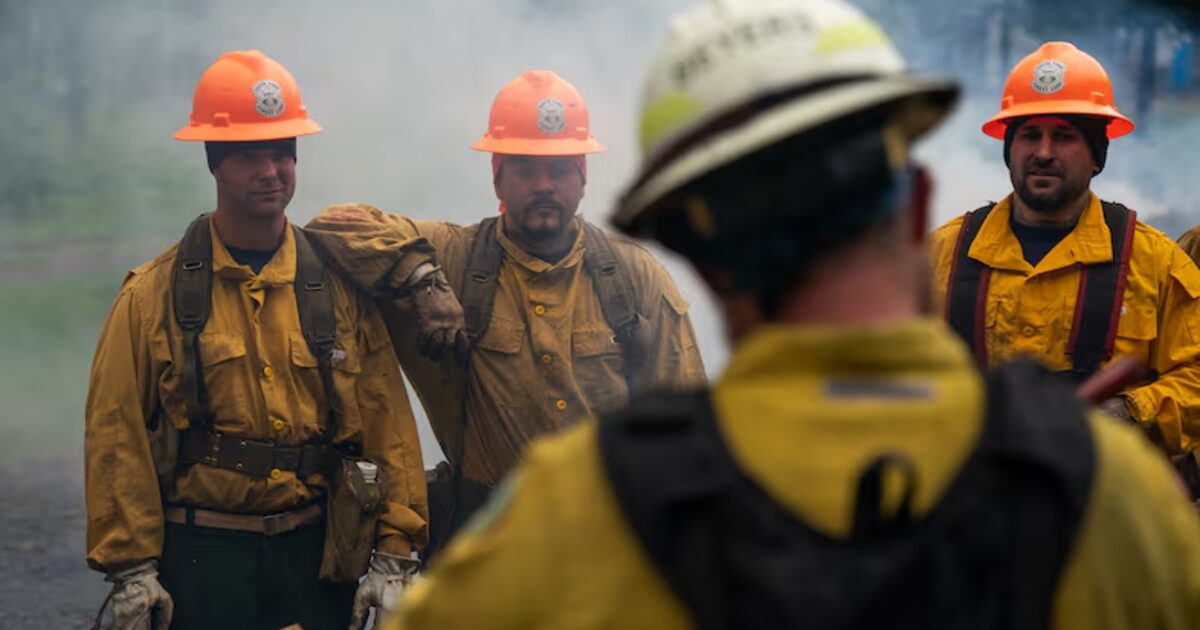
Oregon is in the middle of what has reportedly become a record-breaking wildfire season, with more than 2 million acres burned so far this year. Among the thousands of firefighters on the lines are roughly 218 incarcerated people working through a state program that trains and deploys them from facilities like the South Fork Forest Camp in the Tillamook State Forest.
According to reporting from Oregon Public Broadcasting, incarcerated firefighters in Oregon generally earn about $25 per day on the fire line — around $2 per hour during a 12-hour shift — while civilian wildland firefighters may earn roughly $25 per hour for the same work. The state does not pay direct hourly wages to incarcerated workers; instead, participants reportedly earn performance-based points that convert into monthly awards, which can reach up to about $160 a month for some assignments.
Oregon is reportedly one of seven states that use prison labor to help fight wildfires. Program participants describe firefighting as one of the most sought-after jobs behind bars, offering training, time outdoors, and a possible path to work after release. Advocates, however, have long questioned whether the pay and legal protections match the risks.
Why It Matters Legally
Prison firefighting programs sit at a crossroads of several areas of law. On the criminal justice side, most states — including Oregon — legally require incarcerated adults to participate in work or training programs. That requirement is generally rooted in state corrections statutes and, at the federal constitutional level, in a well-known exception in the Thirteenth Amendment that allows involuntary labor as punishment for a crime.
On the labor side, incarcerated workers are generally not treated as "employees" under most federal and state wage and hour laws. Courts have often held that minimum-wage protections and standard workers' compensation systems do not apply the same way inside a prison work assignment as they do in the outside job market. That legal gap is a major reason pay can be dramatically lower for identical work.
On the civil rights and tort side, injuries or deaths on the fire line can raise questions under Section 1983 (a federal civil rights statute), state tort claims acts, and state-specific inmate injury compensation rules. Each of these tools has strict deadlines and procedural hurdles that generally make them harder to use than an ordinary civil lawsuit.
Finally, there is a growing legal conversation about what happens after release. In some states, a criminal record could historically block a former incarcerated firefighter from getting the certifications needed to work in the same job on the outside. Reform laws in states like California have started to change that, and similar debates may reach other states.
Who Could Be Affected
Several groups may have a legal stake in how these programs are run:
- Incarcerated workers who are injured, made sick, or exposed to unsafe conditions while working fire lines, in prison kitchens, or in prison industries.
- Families of incarcerated workers who die or suffer serious harm on the job, who may have limited but real avenues to pursue wrongful death or civil rights claims.
- Formerly incarcerated people who trained as firefighters inside and later face licensing, certification, or hiring barriers on the outside.
- Civilian firefighters and their unions, who may raise labor-market concerns when lower-paid prison crews are deployed alongside them.
- Residents and property owners in affected fire zones, whose insurance, government-claim, or negligence questions can be shaped by how firefighting resources are staffed and coordinated.
How Cases Like This Generally Work
Because criminal defense is the umbrella here, it helps to walk through how legal issues tied to prison labor generally unfold.
Step one is usually the underlying conviction. A person is only assigned to a prison work crew after being sentenced. Any challenge to the sentence itself — through direct appeal, post-conviction relief, or, in rare cases, a vacated conviction — is a separate track that typically has short deadlines measured in days or a few months after judgment.
Step two is the assignment and conditions. Placement on a fire crew is generally handled by a corrections department through internal referral committees. Disputes over placement, discipline, or removal from a program are usually handled first through the prison grievance system. Under the federal Prison Litigation Reform Act, incarcerated people generally must exhaust those internal grievance steps before filing most federal lawsuits.
Step three is what happens if someone is hurt. When an injury or death occurs, a lawyer would typically look first at:
- Incident reports, training records, and safety briefings.
- Whether supervisors followed established wildland firefighting protocols.
- Medical care provided before, during, and after the incident.
- Whether the state has a specific inmate injury fund or workers' compensation-style program, and what its caps and deadlines are.
- Whether facts support a federal civil rights claim, such as "deliberate indifference" to a known serious risk.
Timelines vary widely by state, but tort claim notices against government entities are often required within a few months of an incident, which is generally much shorter than the deadlines for ordinary personal injury claims.
What to Watch Next
Readers following this story may want to keep an eye on several developments:
- Legislative activity. California has reportedly passed legislation addressing low pay for incarcerated firefighters, and other states may consider similar bills on wages, benefits, or sentence credits.
- Litigation. Civil rights lawsuits, wrongful death claims, and challenges to specific working conditions could be filed, especially after a severe fire season.
- Agency policy. State corrections departments and forestry agencies may update training standards, safety rules, or eligibility criteria.
- Licensing reforms. Watch for changes to firefighter and EMT licensing rules that could make it easier — or harder — for formerly incarcerated people to work in the field.
- Investigations. Serious injuries or deaths on the fire line generally trigger internal reviews, and sometimes state or federal workplace safety investigations.