What Happened
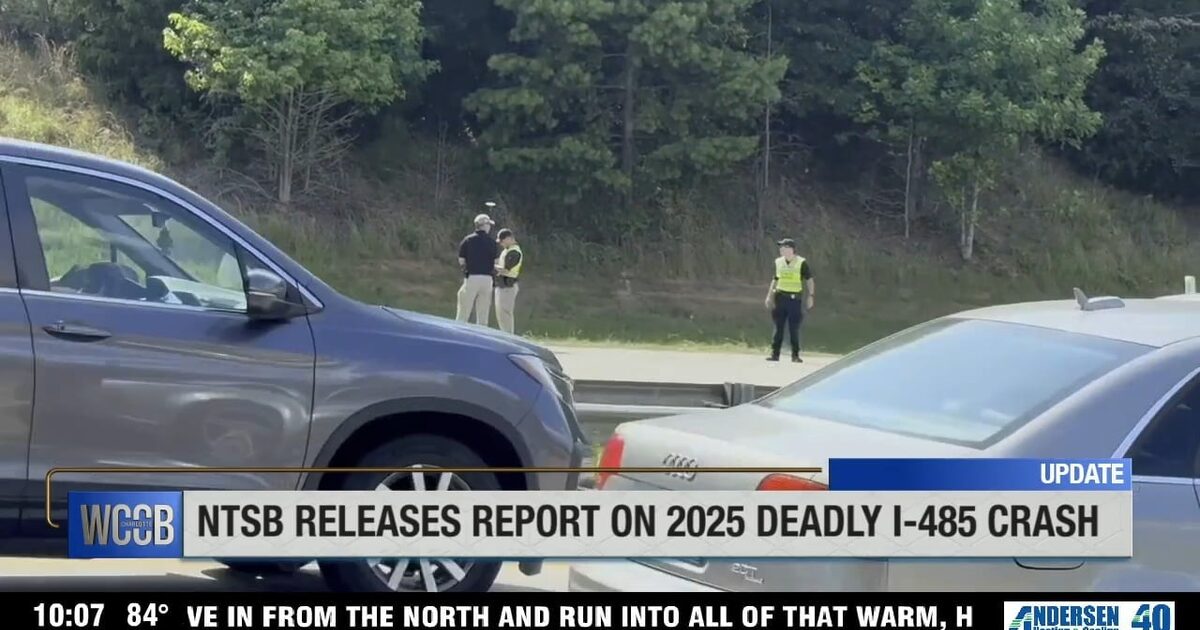
Federal safety investigators have reportedly wrapped up their review of a deadly July 2025 pileup on Interstate 485 in Charlotte, North Carolina, near Wilkinson Boulevard. According to the National Transportation Safety Board's final report as summarized in local coverage, the crash killed six people: five occupants of a minivan and the driver of an SUV.
Investigators reportedly concluded that the most likely cause was risky driving by a 16-year-old behind the wheel of the SUV, who was allegedly speeding and impaired by cannabis at the time. The SUV is said to have struck the minivan, pushing both vehicles into a tractor-trailer parked on the right shoulder.
A second factor identified by the NTSB, according to the report, was that the semi-truck was parked on the shoulder without an active emergency. State rules generally prohibit shoulder parking except in true emergencies. Officials reportedly said the parked truck removed any realistic chance for the other drivers to recover after the initial impact.
Nothing in the reporting suggests criminal charges or civil lawsuits have been resolved. The NTSB's role is to investigate and make safety findings — it does not determine legal liability.
Why It Matters Legally
Crashes like this one sit at the intersection of several personal injury concepts that lawyers watch closely.
First, there's impaired driving. When a driver is allegedly under the influence of alcohol or drugs — including cannabis — that conduct can support a negligence claim and, in some cases, a claim for punitive damages, which are meant to punish especially reckless behavior.
Second, there's commercial trucking regulation. Semi-trucks are governed by both federal motor carrier rules and state traffic laws. When a truck is parked somewhere it shouldn't be, that can be evidence of negligence on the part of the driver, the trucking company, or both.
Third, there's the teen driver question. When a minor is behind the wheel, questions often arise about who owned the vehicle, who allowed the teen to drive, and whether the teen had a valid license. These questions can expand the list of people or entities who might share responsibility.
Finally, cases with multiple vehicles and multiple deaths tend to become complex multi-party litigation, where insurers, defense lawyers, and plaintiffs' lawyers all try to sort out how much any one party contributed to the harm.
Who Could Be Affected
In incidents that resemble this one, several groups may generally have legal interests worth understanding:
- Families of people killed in the crash. In North Carolina and most states, close relatives may generally bring a wrongful death claim seeking compensation for medical bills, funeral costs, lost income, and loss of companionship.
- Injured passengers or drivers in other vehicles. Passengers are almost never considered at fault for a crash they weren't controlling, and they may generally have claims against any driver whose negligence contributed.
- Estates of deceased drivers. Even a driver who was partially at fault may have an estate that faces claims — and, depending on the facts, may also have claims of its own against other contributing parties.
- Nearby motorists. People who witness a serious crash or narrowly avoid one sometimes have claims for property damage or, in limited circumstances, emotional distress.
- Employers and vehicle owners. If a truck driver was on the job, or if a family member owned the SUV, those third parties may be pulled into the litigation under legal doctrines like respondeat superior (employer responsibility) or negligent entrustment (letting someone unfit use your vehicle).
How Cases Like This Generally Work
When a serious multi-vehicle crash leads to civil litigation, the process typically unfolds in stages.
Investigation and evidence preservation. Lawyers generally move quickly to secure physical evidence: the vehicles themselves, event data recorder ("black box") downloads, dashcam footage, highway camera footage, cell phone records, toxicology results, and truck driver logs. In trucking cases, federal rules require carriers to keep certain records, but those records can be lost if not requested promptly.
Identifying every potentially responsible party. In a case with an impaired driver and an illegally parked truck, plaintiffs' lawyers would typically look at the drivers, the truck's motor carrier, the owner of the SUV, any bar or dispensary that may have supplied intoxicants (in states that recognize such claims), and possibly the manufacturer of any component that failed.
Navigating fault rules. North Carolina is one of a small number of states that still follow pure contributory negligence, meaning an injured person who is found even 1% at fault can generally be barred from recovering damages from another negligent party. There are exceptions, including for passengers and for reckless conduct that rises to willful and wanton negligence. This rule makes early legal analysis especially important in North Carolina crashes.
Insurance layers. Commercial trucks generally carry much larger liability policies than personal vehicles. When multiple defendants have coverage, the case can involve several insurers with competing interests.
Timelines. Statutes of limitation set deadlines for filing suit. In North Carolina, the general deadline for personal injury is three years and for wrongful death is two years, though specific facts can shorten or complicate those windows. Waiting is rarely helpful.
Resolution. Most civil cases settle before trial, often after depositions and expert reports clarify who was responsible and to what degree. Trials do happen, especially when parties disagree sharply about fault or damages.
What to Watch Next
Readers following stories like this can generally expect several developments in the months and years after the initial reporting:
- Regulatory follow-up. The NTSB's recommendations may prompt state agencies or the Federal Motor Carrier Safety Administration to revisit shoulder-parking enforcement or commercial driver training.
- Civil filings. Families of the deceased may file wrongful death lawsuits. These filings often name multiple defendants and can be filed in state or federal court depending on the parties involved.
- Criminal or traffic proceedings. When a driver is deceased, criminal charges against that individual are not possible, but investigators may still refer conduct by other parties — such as the truck driver or carrier — for review.
- Insurance coverage disputes. Insurers sometimes disagree with each other about which policy pays first, particularly in multi-vehicle crashes with both personal and commercial vehicles.
- Public safety campaigns. High-profile crashes involving teen drivers and cannabis impairment often lead to public health messaging and, sometimes, legislative proposals.