What Happened
A murder trial in Plymouth County, Massachusetts reportedly ended in a mistrial last week after the twelve-person jury told the judge they could not agree on a verdict. According to reports, three of the jurors — including the foreperson — later spoke publicly on a Boston television station and said a single holdout juror blocked what would otherwise have been a verdict of not guilty by reason of insanity.
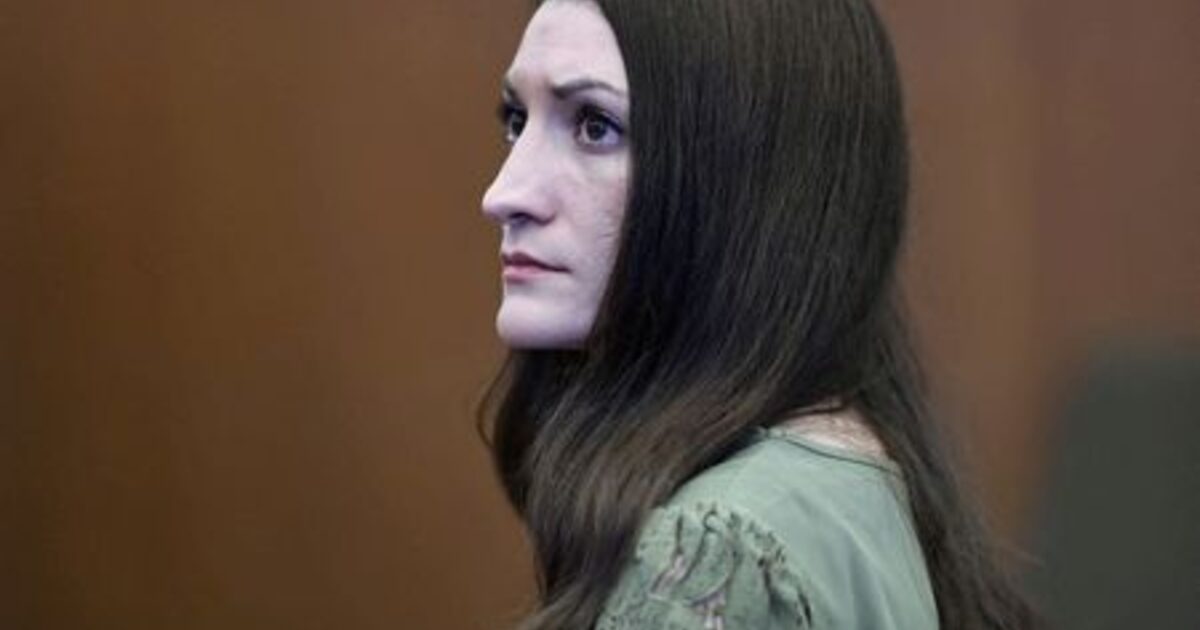
The defendant, a former labor-and-delivery nurse, has reportedly admitted causing the deaths of her three young children in the family's home in early 2023, and then seriously injuring herself in what has been described as a suicide attempt that left her paralyzed. The defense argued at the six-week trial that she was experiencing a severe psychotic episode at the time and did not appreciate the wrongfulness of her actions.
According to the reporting, the jurors who spoke out said the case did not turn on whether the defendant caused the deaths — that fact was not disputed — but on her mental state at the time. Prosecutors have not publicly said whether they intend to retry the case. The defendant reportedly remains in custody at a state hospital.
Why It Matters Legally
This case sits at the intersection of several legal issues that lawyers, judges, and mental-health professionals watch closely: the insanity defense, the standard for a unanimous jury verdict in a serious felony case, and the rules that govern what happens after a mistrial.
In Massachusetts, the insanity defense is generally called "lack of criminal responsibility." Under longstanding state case law (often traced to a decision called Commonwealth v. McHoul), a defendant may be found not criminally responsible if, because of mental disease or defect, they lacked the substantial capacity either to appreciate the wrongfulness of their conduct or to conform their conduct to the law. This is a narrow standard, and juries are typically instructed carefully on how to apply it.
A mistrial declared because jurors cannot agree — sometimes called a "hung jury" — is not the same as an acquittal. The Double Jeopardy Clause of the U.S. Constitution generally does not prevent prosecutors from trying the case again when a jury genuinely deadlocks. That means the door to a second trial is usually still open.
The reported juror interviews also raise a separate issue that criminal-law observers pay attention to: what jurors may say publicly after a case, and how much of the deliberation process should remain private. Courts generally allow jurors to speak once discharged, though names may be sealed and post-verdict inquiry into deliberations is typically limited.
Who Could Be Affected
While the specific facts here are unusual, the legal principles reach a much wider group of people. Categories that could be touched by similar issues include:
- Defendants with documented mental-health conditions who are accused of serious crimes and whose lawyers may consider an insanity or diminished-capacity defense.
- Families of victims, who may face a long and emotionally difficult process, particularly if a case is retried or resolved through commitment rather than a traditional prison sentence.
- Jurors called to serve on high-profile or emotionally charged cases, who may later wonder what they can and cannot discuss publicly.
- Health-care providers and mental-health clinicians, whose records and expert testimony often become central evidence in cases where a defendant's state of mind is at issue.
- People experiencing a mental-health crisis and their loved ones, who may want to understand how the legal system generally treats acts committed during a psychotic episode.
How Cases Like This Generally Work
Criminal cases involving a serious mental-health defense typically follow a recognizable path, even though every case is different.
Early investigation and charging. Prosecutors generally review police reports, medical records, and witness accounts before deciding what charges to bring. In cases where a defendant's mental state is a likely issue, both sides often begin gathering psychiatric records quickly.
Competency vs. criminal responsibility. These are two different questions that are easy to confuse. Competency generally asks whether a defendant can understand the proceedings and help their lawyer now. Criminal responsibility asks whether, at the time of the alleged act, the defendant could appreciate its wrongfulness. A person may be competent to stand trial but still argue they were not criminally responsible.
Expert testimony. Cases like this typically involve dueling forensic psychiatrists or psychologists who examine the defendant, review records, and testify about the defendant's likely mental state. Journals, text messages, medication histories, and observations from family members often come into evidence.
Jury deliberation. In a felony trial, a verdict generally must be unanimous. If jurors cannot agree even after further instruction from the judge (sometimes called a "dynamite" or Tuey-Rodriguez charge in Massachusetts), the judge may declare a mistrial.
After a mistrial. Prosecutors typically decide whether to retry the case, offer a plea, or dismiss the charges. That decision can take weeks or months and may involve consultation with the victims' family.
If found not criminally responsible. A defendant is generally not simply released. They are typically committed to a secure psychiatric facility for evaluation, and any future release is usually subject to ongoing court review and expert findings that the person is no longer a danger.
Timelines vary widely. High-profile cases with heavy expert testimony can take years from charging to final resolution.
What to Watch Next
Readers following this story or similar cases may want to watch for:
- A public statement from the prosecutor's office about whether a retrial will be scheduled.
- Any defense motions related to bail, continued hospitalization, or conditions of custody.
- Court filings addressing whether juror identities remain sealed and whether any post-trial interviews raise legal issues.
- In similar cases nationally, appellate rulings that refine how the insanity defense is defined or how juries are instructed.
- Legislative proposals in some states to revisit standards for criminal responsibility or post-verdict commitment.