What Happened
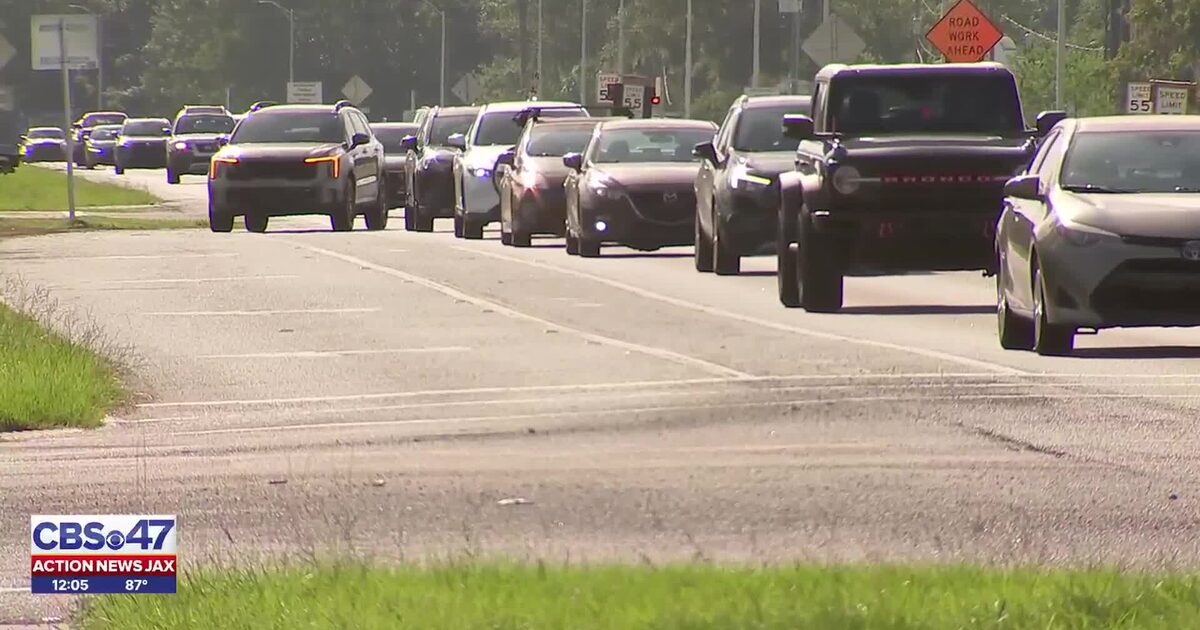
Drivers on State Road 16 in St. Johns County, Florida are reportedly about to see a redesigned set of speed limits along the corridor between Interstate 95 and Four Mile Road. According to local reporting, the Florida Department of Transportation (FDOT) plans to replace the current three-zone layout with five separate zones ranging from 30 to 55 miles per hour.
State transportation officials say the goal is to create a more gradual step-down in speeds as drivers move between rural, suburban, and denser sections of the road. An FDOT community outreach representative reportedly emphasized that the changes came out of routine multi-year traffic studies, not a reaction to any single crash.
The corridor has reportedly been the site of serious incidents in recent months, including a fatal crash involving an older driver and a sheriff's deputy, and a separate incident in which a pedestrian was struck and killed by a semi-truck. New signs are expected to appear on the roadway within the month, weather and logistics permitting.
Why It Matters Legally
Speed limits are more than just numbers on signs. In personal injury law, posted speeds often become important evidence when a crash happens. If a driver was traveling above the posted limit at the time of a collision, that fact can support an argument that the driver acted negligently — meaning they failed to use reasonable care behind the wheel.
On the other hand, a speed limit that appears to change abruptly, or a road designed in a way that surprises drivers, can raise different legal questions. In some cases, injured people or their families may look at whether a government agency's road design contributed to a crash, though claims against public agencies generally face strict procedural rules and shorter deadlines.
Crashes involving commercial trucks, law enforcement vehicles, or pedestrians also bring their own layers of law. Trucking companies may be responsible for their drivers' conduct and for how they train, supervise, and dispatch them. Government employers can sometimes be held responsible for on-duty conduct, subject to immunity rules. And pedestrian fatalities often prompt investigations into whether crosswalks, lighting, or signage met safety standards.
Who Could Be Affected
Road redesigns and the crashes that prompt them can touch a wide range of people. In general terms, the categories most often affected include:
- Everyday drivers and passengers who use the corridor for commuting, errands, or school runs and may be involved in a collision.
- Pedestrians and cyclists who share the roadway or cross it, and who are especially vulnerable when vehicle speeds are high.
- Commercial drivers and their employers, including trucking companies, delivery services, and rideshare drivers, whose operations depend on knowing posted limits.
- First responders such as sheriff's deputies, EMS, and firefighters, who face elevated risk during traffic stops and emergency runs.
- Families of people killed in crashes, who may have wrongful death claims under state law, generally subject to specific rules about who can file and what damages are available.
How Cases Like This Generally Work
While every crash is different, personal injury cases arising from roadway collisions tend to follow a recognizable arc.
Early evidence gathering. In the first hours and days, the most valuable material typically includes the official crash report, photos of the scene and vehicles, dash-cam or traffic-camera footage, and witness contact information. For commercial vehicles, electronic logging data, dispatch records, and maintenance files may become important later.
Medical documentation. Injuries need to be documented promptly and consistently. Gaps in treatment can generally make it harder to connect an injury to the crash later on.
Insurance and no-fault rules. Florida is generally a no-fault state for auto insurance, meaning drivers first turn to their own personal injury protection (PIP) coverage for a portion of medical bills and lost wages, regardless of who caused the crash. Serious injuries may allow an injured person to step outside the no-fault system and pursue a claim against an at-fault driver, but the thresholds are specific and fact-driven.
Liability analysis. A lawyer looking at a case like this would generally examine speed, distraction, impairment, weather, road markings, and whether any signage was missing, obscured, or recently changed. If a commercial vehicle is involved, the driver's employer and its insurers usually come into the picture.
Deadlines. Personal injury lawsuits are subject to statutes of limitations. In Florida, the deadline for many negligence-based injury claims was shortened in recent years, and claims against government entities have their own notice requirements. Missing these deadlines can generally bar a claim entirely, no matter how strong it might otherwise be.
Resolution. Most personal injury matters resolve through insurance settlements rather than trials, but the possibility of trial often shapes negotiations. Wrongful death cases in particular can involve complex questions about who is entitled to recover and for what losses.
What to Watch Next
Readers following this story or similar ones may see several developments over the coming weeks and months:
- Sign installation and public reaction. New speed zones sometimes lead to a short-term uptick in enforcement as drivers adjust.
- Follow-up crash investigations. Law enforcement and, in fatal cases, prosecutors may release additional findings about the earlier incidents on the corridor.
- Civil filings. Families of people killed or seriously injured may file lawsuits, which typically become public record.
- Agency reviews. Transportation officials may publish updated traffic studies or safety data once the new limits have been in place for a period of time.
- Broader policy conversations. High-profile crashes on state roads often prompt local debate about lighting, crosswalks, turn lanes, and lower speed limits near residential and commercial clusters.