What Happened
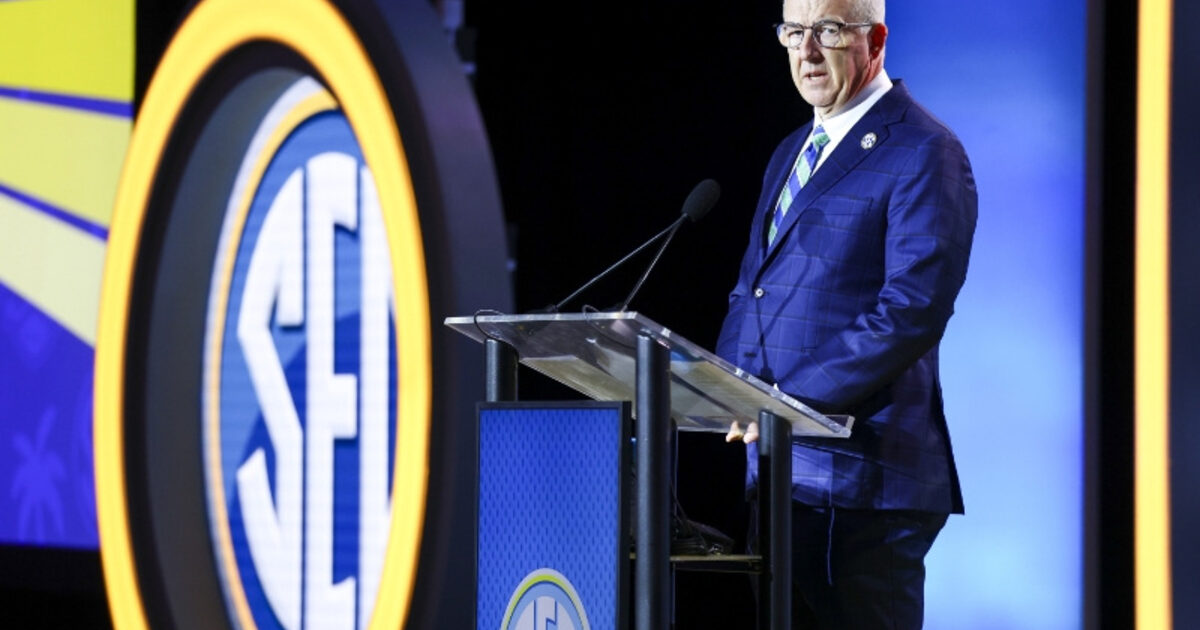
A state district court judge in Dallas reportedly signed a temporary restraining order on Thursday that stops the NCAA, the Southeastern Conference (SEC), and the SEC's commissioner from enforcing rules that would have blocked a group of 41 athletes from returning to college competition for another season.
According to reports, the plaintiffs include several athletes who have already spent time on professional rosters, among them three current NFL players and two athletes who signed WNBA contracts earlier in the year but have not yet appeared in a regular-season game. The order is reportedly in place for 14 days, with another hearing scheduled for mid-September.
The dispute stems from a new NCAA framework that generally allows incoming college athletes to compete for five seasons within a five-year window. Athletes whose eligibility expired the prior school year were reportedly excluded from that benefit. In response, the SEC — and, according to reports, the Big Ten, Big 12, and ACC — announced their own rules aimed at keeping former pro athletes off college rosters. The SEC's rule reportedly targets players who declared for a pro draft without withdrawing, signed a pro contract, or appeared on a pro team's roster.
Reports also say the SEC voted to allow the league to sanction schools and coaches who add former pro athletes, with potential penalties that could include half-season coaching suspensions, substantial fines tied to a percentage of the sport's annual budget, and the loss of league voting rights.
Why It Matters Legally
On the surface, this looks like a sports eligibility story. Underneath, it's a business and corporate law dispute about how much power a private governing body has to set — and quickly change — the rules for people whose careers and earnings depend on those rules.
Several legal areas typically come into play in cases like this:
- Antitrust law. When multiple competitors (here, conferences and member schools) agree on rules that limit who can participate in a market, courts may examine whether that agreement unreasonably restrains trade. In the college sports space, antitrust arguments have generally gained traction in recent years.
- Contract and property rights. Athletes who rely on name, image, and likeness (NIL) deals, scholarships, or expected roster spots may argue that a sudden rule change interferes with existing or reasonably expected economic relationships.
- Due process and fairness. Even where private organizations set their own rules, courts sometimes examine whether penalties are so severe or so sudden that they cross a line, particularly if the rules appear to target a narrow class of participants.
Who Could Be Affected
Beyond the specific athletes in the Dallas case, cases like this can matter to a wide range of people and organizations, generally including:
- College athletes who have professional experience and are considering a return to school.
- Coaches and athletic department staff whose jobs may be affected if their employer faces league-imposed penalties.
- Universities and athletic conferences that have to balance competitive concerns with the risk of legal challenges.
- Sponsors and NIL collectives whose deals may depend on which players are actually eligible to compete.
- Other industries governed by trade associations, where the same general legal principles — antitrust, contract interference, procedural fairness — often apply to sudden rule changes.
How Cases Like This Generally Work
Business disputes of this type typically move through several stages, though every case is different.
1. Emergency relief. When a plaintiff argues that a rule will cause immediate, hard-to-undo harm — like missing an entire athletic season — courts may issue a temporary restraining order (TRO). A TRO generally freezes the situation for a short window, often around 14 days, while the judge takes a closer look.
2. Preliminary injunction hearing. After the TRO, courts typically hold a fuller hearing to decide whether to extend the pause. Judges generally weigh whether the plaintiffs are likely to win on the merits, whether they would suffer irreparable harm without relief, and how the public interest cuts.
3. Discovery and evidence gathering. If the case continues, lawyers usually exchange documents, take depositions, and look for evidence about how the rule was adopted, who it was designed to affect, and what the economic consequences may be. Internal communications, voting records, and financial data often carry weight.
4. Motions and possible trial. Many business disputes settle before trial, sometimes after a key ruling on a motion to dismiss or summary judgment. Others proceed to a full trial on the merits.
5. Appeals. Rulings on high-profile industry rules are frequently appealed, and appellate decisions can set precedent that reaches far beyond the original parties.
Timelines vary widely. A TRO can be granted in days, but a final resolution — including appeals — may take months or years.
What to Watch Next
Readers following this story in the coming weeks may see several developments:
- The September hearing. Reports indicate a follow-up hearing is scheduled, at which the judge could extend, modify, or dissolve the current order.
- Similar filings in other regions. With the Big Ten, Big 12, and ACC reportedly announcing comparable rules, athletes in other states could bring parallel challenges.
- Responses from schools. Universities may need to decide whether to add returning athletes to rosters while the legal picture remains unsettled — a decision that could carry both competitive and financial risk.
- Regulatory or legislative attention. Prior college-sports disputes have drawn interest from state attorneys general, Congress, and administrative agencies. Similar interest could emerge here.
- Broader antitrust rulings. Any written opinion in this case could influence how courts evaluate future rulemaking by leagues and associations.
Frequently Asked Questions
What is a temporary restraining order, in plain English?
A temporary restraining order, or TRO, is a short-term court order that generally tells one side to stop doing something — or to refrain from enforcing a rule — until the court can take a fuller look. TROs typically last around 14 days and are meant to prevent immediate harm while the case moves forward.
Can a private league or association really be sued over its own rules?
Yes, generally. Even though leagues and trade associations set their own rules, courts can review whether those rules violate laws such as antitrust statutes or interfere with contracts. The fact that a group is private does not automatically shield it from legal challenges.
Why do lawyers bring up antitrust law in college sports cases?
Antitrust law generally targets agreements among competitors that unreasonably limit competition or restrict people's ability to earn a living. Because conferences are made up of competing schools that agree on shared rules, courts have increasingly been asked whether some of those rules cross antitrust lines.
Does this ruling mean the athletes have won their case?
No. A temporary restraining order is generally an early, short-term step. It typically reflects a judge's initial view that the situation should be paused, not a final decision on who is right. The case can still go in many directions.
Could similar lawsuits happen in other states?
Potentially, yes. Reports indicate other major conferences have adopted comparable rules, so athletes in different regions could file their own challenges. Outcomes may vary depending on the state, the court, and the specific facts of each case.
What kinds of evidence usually matter in disputes like this?
Lawyers in cases like this generally focus on how a rule was adopted, who it applies to, and what economic impact it may have. Voting records, internal communications, financial data, and expert analysis of competitive effects often play a central role.
Are penalties like coaching suspensions and large fines unusual?
Severe penalties are not unheard of in league rulemaking, but courts may look closely at whether penalties are proportionate and whether they were announced with enough notice. When penalties are described as unusually harsh or targeted at a narrow group, plaintiffs may argue the rule is unfair or anticompetitive.
Should someone in a similar situation talk to a lawyer?
This article is general education, not legal advice. Anyone who believes a rule, contract, or organizational decision is affecting their livelihood may generally want to speak with a qualified attorney in their state to understand their options.