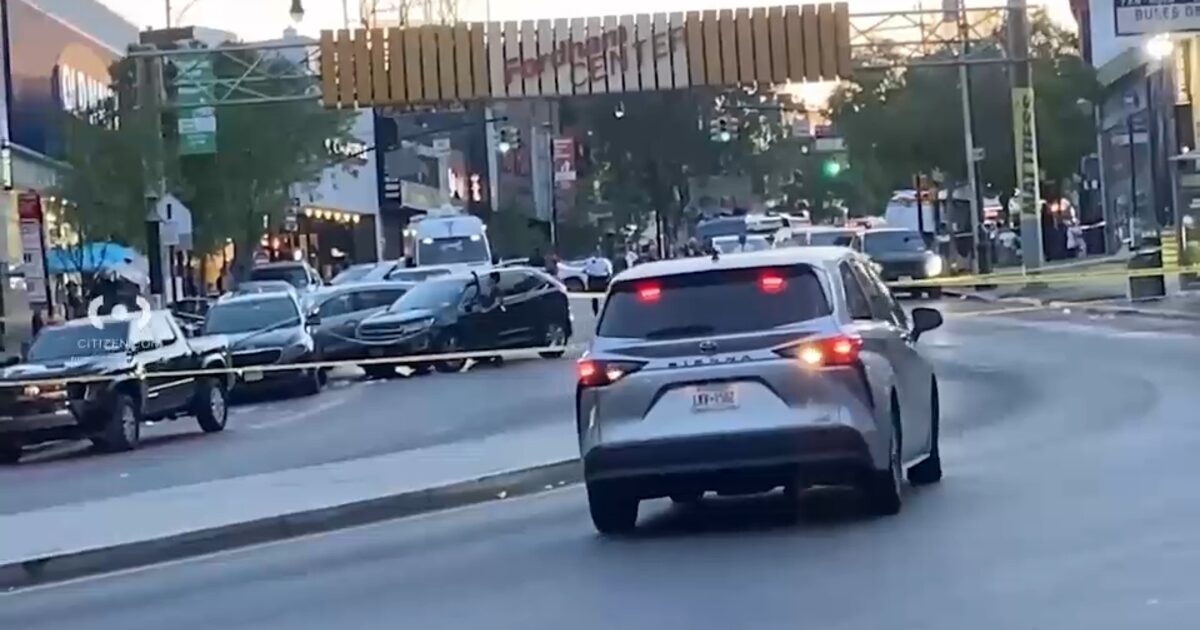
What Happened
According to reports from local New York media, an 18-year-old driver is expected to face charges after allegedly striking multiple NYPD officers — including a sergeant — with a stolen SUV in the Fordham section of the Bronx. The incident reportedly unfolded on a Sunday evening after a license plate reader flagged a stolen silver SUV with out-of-state plates in the area.
Officers reportedly followed the vehicle and surrounded it after it pulled over on East Fordham Road. Police say three people were inside. When officers ordered them out, the driver allegedly refused and moved the SUV back and forth, hitting the sergeant and several other officers. An officer then reportedly climbed onto the hood and fired one shot, wounding the driver in the arm.
The driver was taken to a nearby hospital in stable condition and remains in custody. A passenger is also in custody, and police are reportedly still looking for a third person who left the SUV before the confrontation. The injured officers were treated at local hospitals and, according to officials, all have been released, with the sergeant kept overnight for observation. The department's Force Investigation Division is reviewing the officer-involved shooting, and body-worn camera footage was reportedly captured.
Why It Matters Legally
A single incident like this touches several corners of the law at once. On the criminal side, prosecutors typically look at charges tied to possession of a stolen vehicle, assault on law enforcement, reckless endangerment, and potentially weapons or attempted-injury charges depending on the facts.
On the civil side, personal injury law is the umbrella. Officers hurt while performing their duties may have claims through workers' compensation and, in some cases, through additional civil suits. The use-of-force review is a separate track — internal police policy and, potentially, civil rights law both come into play when an officer fires a weapon and someone is wounded.
Lawyers pay attention to cases like this because they sit at the intersection of criminal defense, personal injury, employment-related benefits for public workers, and constitutional law. The same body camera footage can end up in a grand jury room, a workers' comp hearing, and a federal civil rights lawsuit.
Who Could Be Affected
Several groups of people could have a legal interest in an incident like this — not just the two most obvious parties. In general terms:
- Injured officers. Public employees hurt on the job generally qualify for workers' compensation benefits, which can cover medical care and lost wages regardless of fault. In some jurisdictions, they may also pursue additional remedies against a third party who allegedly caused their injuries.
- The driver and passengers. A person shot by police may have potential civil rights claims, though those cases are highly fact-specific and often affected by legal doctrines like qualified immunity.
- Bystanders. Anyone else hit, nearly hit, or injured by a fleeing or maneuvering vehicle — including pedestrians and other drivers — may have their own personal injury claims.
- The registered owner of the stolen vehicle. Owners of stolen cars generally are not liable for what a thief later does with the car, but they may deal with insurance issues and property loss.
- Family members. In serious injury or wrongful death cases, close relatives sometimes have derivative claims, depending on state law.
How Cases Like This Generally Work
A personal injury case that grows out of a police encounter typically moves through several predictable stages. In the earliest days, evidence collection is the priority. Lawyers on any side generally look for:
- Body-worn camera footage from every officer on scene.
- License plate reader hits and dispatch recordings that show the timeline.
- Medical records documenting the specific injuries and treatment.
- Surveillance video from nearby businesses on a busy commercial street.
- Witness statements from people who saw the encounter unfold.
For a person injured by police gunfire, the analysis is more complex. Investigators and courts generally look at whether the use of force was reasonable under the circumstances the officer faced. Civil rights claims under federal law have their own procedural rules, deadlines, and defenses.
Deadlines matter in every direction. Claims against a city or state agency often require a formal notice of claim filed within a short window — sometimes just 90 days in New York, for example — long before any lawsuit is filed. Missing that step can end a case before it starts. Timelines vary by state, which is one reason people in New York, New Jersey, or California often find that the same set of facts produces different procedural paths.
What to Watch Next
As follow-up reporting develops, readers can generally expect several markers to appear in the public record:
- Formal charging documents listing the specific alleged offenses against the driver and any passengers.
- Statements from the Force Investigation Division or a district attorney's office about the officer-involved shooting review.
- Body camera footage releases, which many departments now publish within a set number of days after a critical incident.
- Civil filings, if any injured party decides to pursue a lawsuit. These usually appear months, not days, after an incident.
- Updates on the third person who reportedly left the scene before the confrontation escalated.
Frequently Asked Questions
Can a police officer sue someone who hits them with a car?
Generally, yes. Officers hurt on duty typically have workers' compensation benefits available, and in many states they can also file a personal injury lawsuit against the driver or other responsible parties. The specifics depend on state law and whether any "firefighter's rule" or similar doctrine applies.
Does workers' comp cover officers injured in an arrest?
In most cases, yes. Injuries sustained during the course of official duties generally fall within workers' compensation coverage for public employees. Benefits usually include medical care and a portion of lost wages, without the officer having to prove fault.
Can someone shot by police sue for their injuries?
Sometimes. A person wounded by police may have potential civil rights claims under federal law and, in some cases, state tort claims. These cases are highly fact-dependent and often involve defenses like qualified immunity, which can be difficult to overcome.
What if a bystander is hit during a police encounter?
Bystanders injured during a chaotic scene generally may have personal injury claims against whoever caused the harm — potentially the fleeing driver, and in some cases a government entity, depending on the facts. Notice-of-claim rules and short deadlines often apply when a public agency is involved.
Is the owner of a stolen car liable for what a thief does?
Generally, no. Owners are usually not held responsible for the actions of someone who steals their vehicle, though they may still have to deal with insurance claims and vehicle damage. Exceptions can arise if the owner acted negligently — for example, by leaving keys accessible in some jurisdictions.
How long do injured people have to file a claim?
Deadlines vary widely by state and by the type of claim. Claims against government agencies often require a formal notice within a very short window, sometimes just a few months. Regular personal injury lawsuits usually have longer statutes of limitations, but waiting is rarely a good strategy.
What role does body camera footage play in cases like this?
Body-worn camera video is often one of the most important pieces of evidence. It can support or contradict witness accounts, clarify the sequence of events, and become central to both criminal proceedings and any civil lawsuit that follows.
Does a prior arrest affect a criminal defendant's case?
A prior arrest is not the same as a prior conviction, and prosecutors generally cannot use an unproven arrest to establish guilt in a new case. However, prior charges can sometimes affect bail decisions, plea negotiations, and sentencing if there is a later conviction.