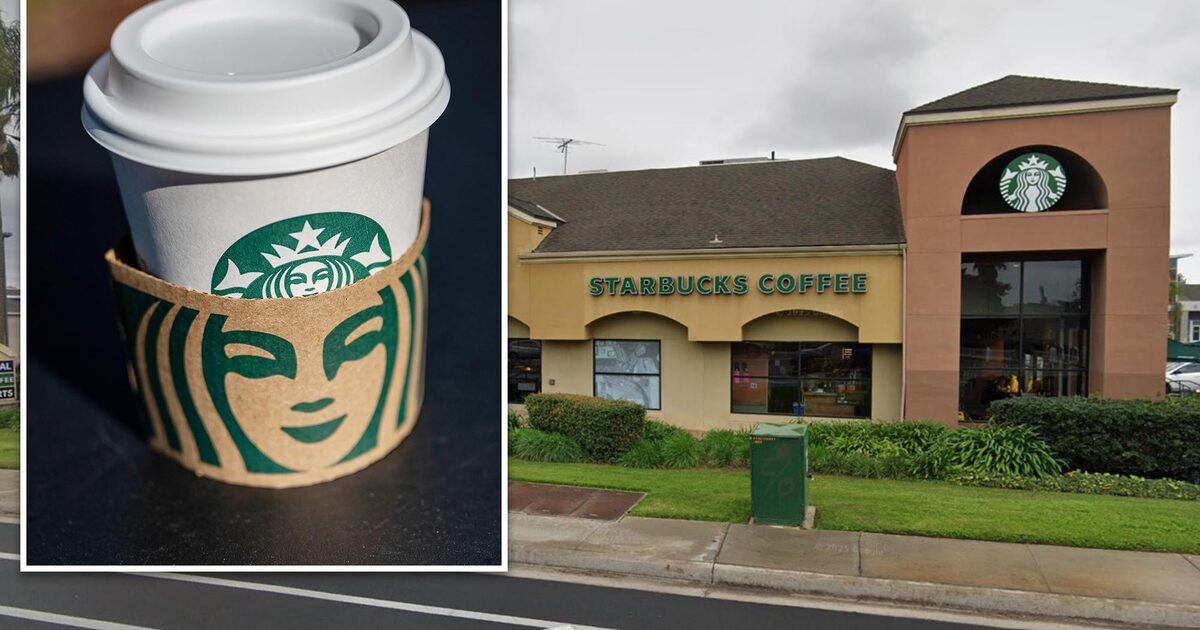
What Happened
A federal lawsuit filed in San Diego is drawing attention to how a routine coffee shop visit can escalate into major corporate litigation. According to reports, a 63-year-old oil and gas executive says he suffered severe burns and lasting nerve damage after a cup of hot tea reportedly tipped over onto his lap during a business meeting at a Starbucks location in San Diego in August 2024.
The complaint, filed last week in federal court, alleges that a store employee asked the customer to move closer to a table described as unstable while his hot drink was sitting on it. The tea reportedly spilled onto his groin area, allegedly causing what his attorneys describe as catastrophic burns and long-term injuries. The customer is reportedly seeking unspecified damages, along with legal fees and court costs.
Starbucks has reportedly responded by filing an answer that denies the allegations and raises the argument that the customer may have failed to take reasonable steps to reduce the harm — a common legal defense known as failure to mitigate damages. None of the claims have been proven in court.
Why It Matters Legally
At first glance, a spilled beverage sounds like a minor personal injury dispute. But when the defendant is a national brand, these cases often become significant business litigation matters. Large chains generally face heightened scrutiny because their operations, training manuals, and store standards can be examined by plaintiffs' lawyers looking for patterns across many locations.
The core legal theories in a case like this typically include:
- Premises liability, which generally requires a business open to the public to keep its space reasonably safe and to warn visitors about known hazards.
- Negligence, which asks whether the business or its employees acted with the level of care a reasonable operator would use in similar circumstances.
- Vicarious liability, the rule that a company can generally be held responsible for what its employees do within the scope of their job.
Who Could Be Affected
While this specific case involves one customer and one company, the legal issues it raises can touch a wide range of people and businesses:
- Customers of retail and food-service businesses who are injured by unsafe conditions on the premises, such as wet floors, unstable furniture, or hot products served improperly.
- Employees who may be asked to testify about training, store layout, and what they were instructed to say to customers.
- Franchisees and store operators whose maintenance and inspection routines can become central evidence.
- Insurers and corporate risk managers, who generally track these lawsuits closely to assess exposure.
- Other national chains, which may quietly review their own furniture inspection policies and hot-beverage handling procedures when high-profile suits are filed.
How Cases Like This Generally Work
Business litigation involving customer injuries generally follows a recognizable pattern, even when the facts differ.
1. Investigation and evidence gathering. Lawyers on both sides typically look for surveillance video, incident reports, employee statements, medical records, and photos of the scene. In a case involving allegedly defective furniture, the physical condition of the table and any prior complaints about it can become important.
2. Pleadings. The plaintiff files a complaint laying out the alleged facts and legal theories. The defendant then files an answer, often denying the allegations and asserting defenses. Common defenses in premises liability cases generally include comparative fault (arguing the customer contributed to the injury), assumption of risk, and failure to mitigate damages.
3. Discovery. This phase can last many months. Both sides exchange documents, take depositions, and may hire experts — for example, a biomechanical expert on how a spill happened, a burn specialist on the medical injuries, or a safety engineer on furniture stability.
4. Motion practice. Defendants often file motions asking the court to dismiss or narrow the case before trial. Plaintiffs may also file motions to limit certain defenses.
5. Settlement or trial. The majority of civil cases settle before reaching a jury. When they do go to trial, damages are typically split into categories like medical expenses, lost income, and pain and suffering. Some jurisdictions also allow punitive damages in cases of especially reckless conduct, though those are generally hard to obtain.
Timelines vary widely. Federal civil cases can take a year or more to reach resolution, and complex injury cases sometimes take significantly longer.
What to Watch Next
Readers following coverage of this case, or similar suits, may want to watch for a few things in the coming months:
- The company's formal defenses. Beyond denying the allegations, defendants often raise specific affirmative defenses that can shape what evidence is admissible.
- Discovery disputes. Fights over internal documents, training manuals, and prior incident reports at other stores are common and can signal how strong each side's case is.
- Medical evidence. The severity and permanence of the alleged injuries generally drive the potential value of the case.
- Any related regulatory attention. While a single spill case is unlikely to trigger a formal agency investigation, patterns of similar complaints sometimes attract consumer-safety scrutiny.
- Settlement signals. Companies sometimes settle quietly to avoid drawn-out publicity, especially in cases involving graphic injuries.
Frequently Asked Questions
Can a customer really sue a coffee shop over a hot drink spill?
Generally, yes. Customers can bring lawsuits when they believe a business's negligence caused their injuries. Whether the claim succeeds depends on evidence about how the spill happened, the business's conduct, and the severity of the harm.
Isn't a hot beverage supposed to be hot? Doesn't that defeat the lawsuit?
Not necessarily. Courts generally recognize that customers expect hot drinks to be hot, but businesses can still be liable if their own conduct — like directing a customer to an unstable table — created an unreasonable risk. The legal question is usually about reasonable care, not just temperature.
What does 'failure to mitigate damages' mean?
It generally means the defendant is arguing that the injured person did not take reasonable steps to limit the harm, such as delaying medical care. If proven, it can reduce, but not always eliminate, the damages a plaintiff may recover.
How is premises liability different from a product defect claim?
Premises liability generally focuses on the condition of the property and how the business managed it. A product defect claim generally focuses on whether the product itself — like a cup or lid — was unreasonably dangerous. A single incident can sometimes raise both theories.
Do most cases like this go to trial?
No. The majority of civil injury cases in the United States generally settle before trial. Trials can be expensive and unpredictable for both sides, so negotiated resolutions are common.
Could a company face more than one lawsuit for similar incidents?
Yes. Large chains may face multiple, unrelated claims from customers across different locations. Patterns of similar incidents can sometimes strengthen individual cases by suggesting the company was on notice of a recurring hazard.
How long do injured customers generally have to file a lawsuit?
Deadlines are set by state statutes of limitations and vary. For personal injury claims, the window is often two or three years from the date of injury, but exceptions exist. Anyone considering a claim would generally need to check the specific rules in their state.
Does it matter that this case was filed in federal court?
It can. Federal court is generally available when the parties are from different states and the amount in dispute is high enough. Procedural rules and jury pools can differ from state court, which sometimes influences strategy on both sides.