What Happened
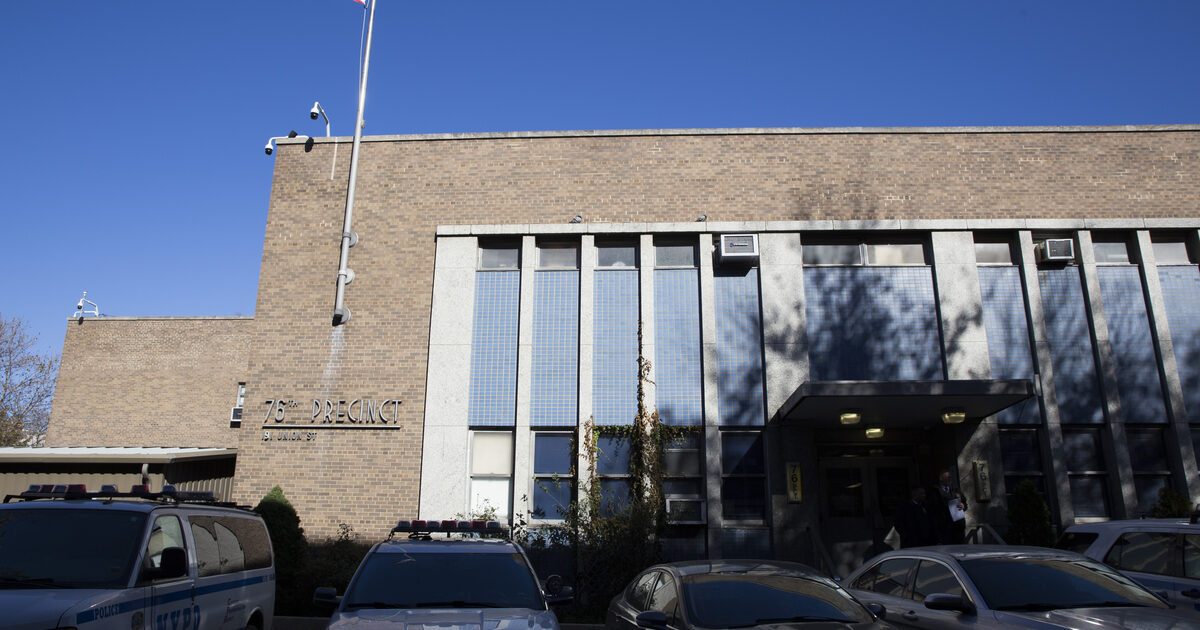
A New York City police officer assigned to a Brooklyn precinct has reportedly been arrested and charged over an incident that allegedly took place inside a stationhouse holding cell earlier this year. According to Brooklyn prosecutors, the officer is accused of striking a handcuffed man who had come to the precinct to turn himself in on unrelated misdemeanor charges.
Based on the account released by prosecutors and reported in local news, surveillance video from inside the precinct allegedly captured the officer walking the handcuffed man to a cell, beginning to remove the cuffs, and then pushing him into the cell still restrained. After the detainee reportedly spit at the officer, the officer allegedly re-entered the cell and repeatedly struck the man while holding a padlock in one hand, then threw him against a wall and the cell door. The detainee, who was 49 years old and reportedly had no prior convictions, is said to have suffered an orbital (eye socket) fracture along with bruises and abrasions, and was transported to a hospital for treatment.
The officer has reportedly been charged with assault, official misconduct, menacing, and criminal possession of a weapon. He pleaded not guilty at his arraignment and was released without bail, according to reports. He had previously been demoted and reassigned to a desk role after the incident. The underlying misdemeanor charges against the detainee have reportedly been dropped.
Why It Matters Legally
Cases involving alleged excessive force by police touch several areas of law at the same time, which is why they often draw close attention from lawyers, civil rights groups, and oversight agencies.
First, there is the criminal side. When a sworn officer is accused of assaulting someone in custody, prosecutors may pursue standard assault charges alongside offenses that are unique to public officials, such as official misconduct. Charges like criminal possession of a weapon can also appear when a common object — here, allegedly a padlock — is said to have been used to cause injury.
Second, there is civil rights law. Under a federal statute commonly called Section 1983, a person who believes their constitutional rights were violated by someone acting under government authority may generally bring a civil lawsuit. Excessive force claims are typically analyzed under the Fourth Amendment (for arrests) or the Fourteenth Amendment (for people already detained).
Third, there is internal police discipline, which runs on its own track through department policy and, in New York City, civilian oversight through the Civilian Complaint Review Board (CCRB). Discipline can move faster or slower than the courts, and its outcomes do not always match what happens criminally.
Who Could Be Affected
Situations like the one described in the reporting may affect several categories of people:
- Individuals in custody or being booked, who are considered especially vulnerable because they cannot leave and are often restrained.
- Family members of someone hurt or killed in custody, who may have standing to bring wrongful injury or wrongful death claims depending on the outcome.
- Witnesses and other detainees who may have seen or recorded events and could be asked to give statements.
- Officers and municipal employers, who face both personal exposure and potential liability for the government entity that employed the officer.
- People with pending charges whose cases may be affected if a key officer's credibility is called into question.
How Cases Like This Generally Work
Although every matter is different, excessive force cases in the criminal defense and civil rights space tend to follow a recognizable arc.
Evidence gathering. Investigators typically look first at any video — stationhouse surveillance, body-worn cameras, cell phones, or nearby security cameras. Medical records documenting injuries, photographs, 911 audio, and radio transmissions are also often central. Witness accounts from other officers, detainees, and civilians may be collected.
Reviewing the officer's history. Lawyers on both sides generally review the officer's disciplinary file, prior civilian complaints, and any past lawsuits. In New York, the 2020 repeal of Civil Rights Law Section 50-a made much of this information more accessible than it used to be. Prior complaints do not prove wrongdoing, but they may become relevant to patterns or credibility.
Parallel proceedings. A criminal case against an officer moves through arraignment, discovery, potential motions, and either a plea, dismissal, or trial. At the same time, an injured person may file a civil suit in state or federal court. Internal affairs and the CCRB may run their own investigations. These tracks can influence each other but are legally separate.
Timelines. In New York, a person considering a civil suit against a city and its employees generally must file a Notice of Claim within 90 days of the incident, with the lawsuit itself typically filed within about a year and 90 days. Federal Section 1983 claims usually follow the state's personal injury statute of limitations — three years in New York — but deadlines can vary based on the specific facts. Missing a deadline can bar a claim entirely, which is why timing matters so much in these cases.
Defenses. Officers accused of using force generally argue that the force was reasonable under the circumstances, or invoke qualified immunity in civil cases — a doctrine that can shield government officials from personal liability unless they violated a clearly established right. Whether such defenses succeed depends heavily on the specific facts and the strength of the evidence.
What to Watch Next
Readers following stories like this can expect several developments in the weeks and months ahead:
- Court appearances in the criminal case, including scheduling orders, motions to suppress or dismiss, and any plea discussions.
- Release of video evidence, either through court filings or public records requests, which often shapes public understanding of what happened.
- A possible civil lawsuit by the alleged victim against the officer and the city, which would be filed separately from the criminal case.
- Updates from the CCRB or internal affairs, including any recommended discipline.
- Impact on other cases the officer was involved in, since prosecutors sometimes reconsider matters that depend on the testimony of an officer facing serious credibility questions.