What Happened
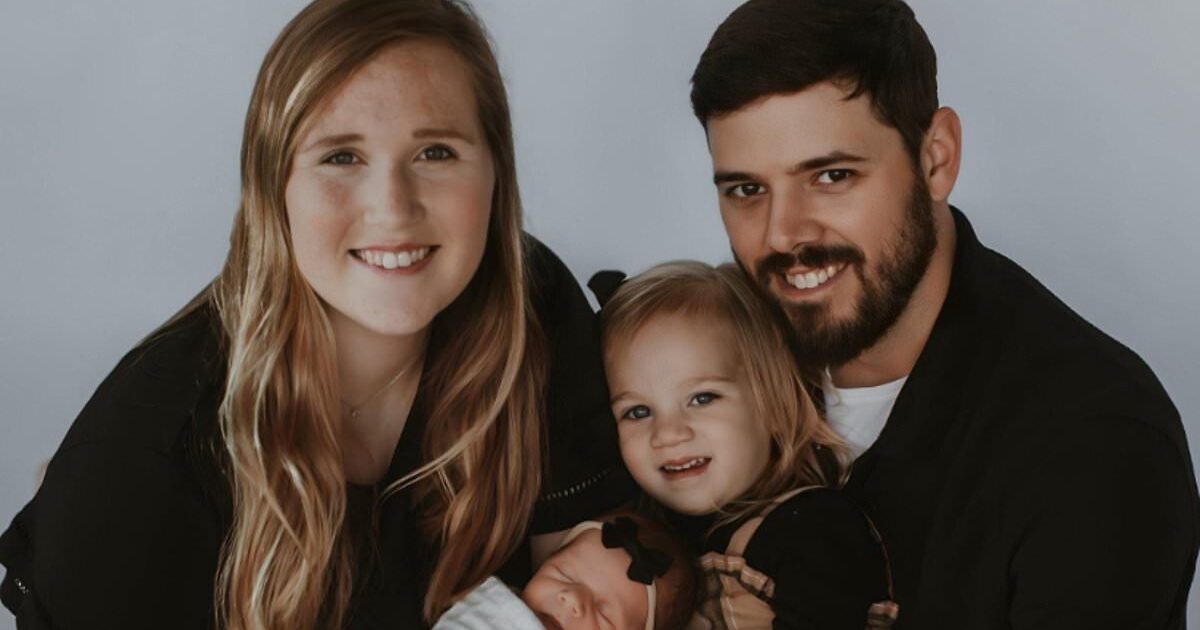
A 27-year-old nurse in Tuscaloosa, Alabama was reportedly shot and killed in a hospital parking lot in May 2026 as she walked to her car at the end of a shift. According to reports, she was on the phone with her husband at the time, talking about ordinary things — dinner plans, their two young daughters — when a stranger approached her with a gun. Her husband is said to have heard her final moments before the call ended.
The man now charged in the killing, a 41-year-old, is alleged to have been dropped off at the medical center earlier that day by someone who warned staff about his erratic behavior. Reports indicate he never entered the building, but instead lingered on hospital grounds for roughly two hours. During that time, he allegedly tried to rob another woman at gunpoint in the same area before approaching the nurse.
In late June 2026, the nurse's husband reportedly filed a wrongful death lawsuit seeking compensatory and punitive damages against both the accused shooter and the hospital. The suit alleges the hospital's security team failed to assess and respond to warnings about the armed man on its property. The hospital has stated publicly that the suspect did not appear consistently on security cameras and did not initially appear to pose a threat. The accused is facing capital murder and related charges and is reportedly in custody.
Why It Matters Legally
This case sits at the intersection of several bodies of law that lawyers pay close attention to whenever a violent incident occurs on a business's property.
The first is wrongful death — a civil claim, separate from any criminal case, that allows surviving family members to seek money damages when a loved one is killed because of someone else's alleged wrongful conduct. The second is premises liability, which generally asks whether a property owner took reasonable steps to keep people on its property safe from foreseeable harm. When the harm comes from a third-party attacker rather than a slip-and-fall, lawyers often call this a "negligent security" claim.
There is also a workplace layer. The person killed was reportedly an employee finishing her shift, which raises questions about how workers' compensation rules interact with civil lawsuits — an area that varies significantly from state to state.
Who Could Be Affected
While every case turns on its own facts, incidents like this one tend to touch several groups of people:
- Families of workers killed on the job, particularly in healthcare, retail, hospitality, and other settings where staff routinely walk to their vehicles late at night.
- Patients, visitors, and customers who are harmed by violence on a business's property, especially where the business may have had warning signs that trouble was brewing.
- Healthcare workers who have raised concerns about parking lot safety, staffing, or security response times.
- Property owners and operators, who may face civil exposure if a court finds that reasonable security measures were missing.
How Cases Like This Generally Work
In a wrongful death case tied to violence on someone else's property, an attorney would generally look at a few core questions:
Was the harm foreseeable? Courts often ask whether the property owner knew — or reasonably should have known — that this type of danger could happen. Prior incidents on or near the property, warnings from bystanders, and the general crime pattern in the area may all be relevant.
Were reasonable security measures in place? This can include lighting, surveillance cameras, security patrols, escort services for staff walking to their cars, and written procedures for responding to reports of an armed or unstable person on site. Whether the measures were "reasonable" is usually a question for a jury.
Did the alleged failure actually cause the harm? Even if security was imperfect, a plaintiff generally has to show that better security more likely than not would have prevented the outcome.
What is the value of the loss? In wrongful death matters, damages may include lost financial support, loss of companionship, and — in some states — punitive damages meant to punish especially reckless conduct. Alabama, notably, handles wrongful death damages differently than most states, focusing on punitive rather than compensatory damages under its statute.
Evidence in these cases can include security camera footage, internal incident logs, 911 calls, staff training materials, prior complaints about safety, and expert testimony from security professionals. Timelines vary, but many wrongful death and premises liability suits take one to three years or longer to move through the civil system, and a criminal case typically proceeds on a separate track.
Most states also have a statute of limitations — a strict deadline for filing suit. These deadlines are often shorter than people expect, which is why lawyers commonly recommend that families ask questions early rather than wait.
What to Watch Next
Readers following this story in the coming weeks and months may see several developments:
- Criminal proceedings against the accused, including any competency evaluations given reports that he is being medicated.
- Civil court filings, including the hospital's formal response to the lawsuit and any motions to dismiss or narrow the claims.
- Regulatory or accreditation reviews of the hospital's security protocols.
- Policy changes at the facility, such as expanded security staffing, escort programs, or updated procedures for handling reports of armed or erratic people on the property.
- Broader industry discussion about healthcare worker safety, which has been a growing concern nationwide.