What Happened
A regional drug task force in Davidson County, North Carolina reportedly searched a home in Thomasville earlier this month and recovered what investigators describe as a significant quantity of controlled substances. According to local reporting, officers said they found roughly 220 grams of fentanyl, about 118 grams of cocaine, a smaller amount of MDMA, a very small amount of marijuana, and various items commonly described as drug paraphernalia.
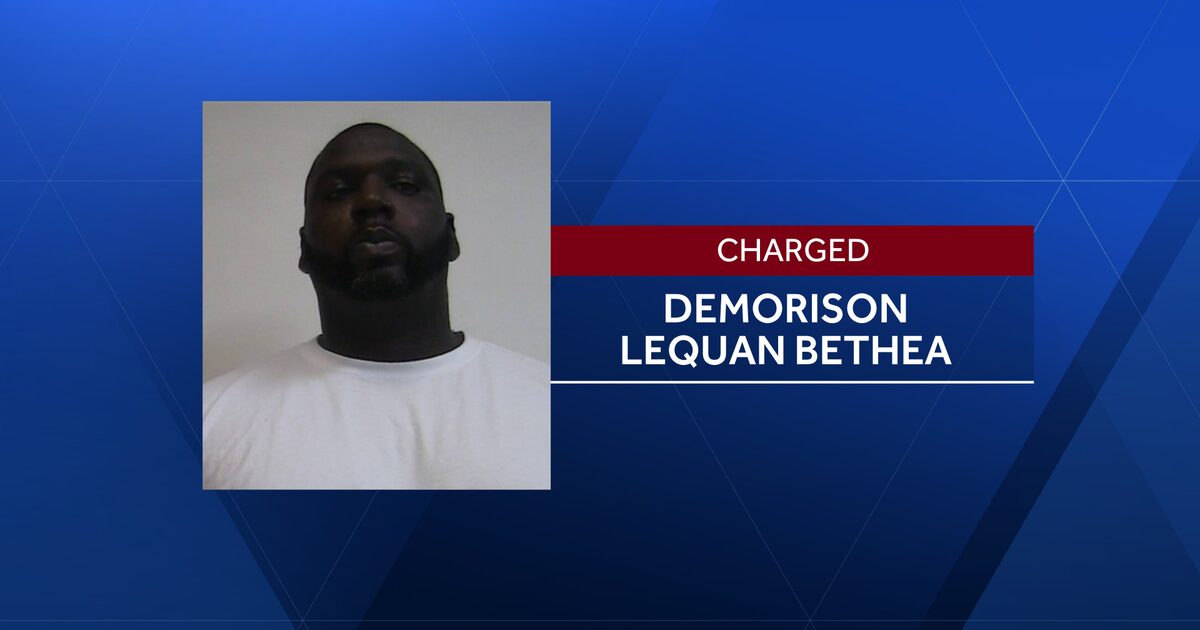
A 41-year-old Thomasville resident was arrested following the search and now faces a stack of felony-level drug charges, including trafficking fentanyl by possession, trafficking cocaine by possession, possession with intent to manufacture, sell and deliver both substances, felony possession of a Schedule II controlled substance, misdemeanor marijuana possession, maintaining a dwelling for controlled substances, and paraphernalia possession. Reports indicate he was booked into the county detention center on a $350,000 secured bond and is scheduled for an initial court appearance later this month.
The allegations have not been tested in court. Everyone charged with a crime is presumed innocent unless a jury or judge finds otherwise.
Why It Matters Legally
Cases like this sit at the intersection of several important areas of criminal law: drug trafficking statutes, search-and-seizure rules under the Fourth Amendment, and North Carolina's structured sentencing system.
The key legal detail is the word "trafficking." In many states, and especially in North Carolina, a trafficking charge does not require prosecutors to prove that anyone sold or intended to sell drugs. Generally, it is triggered simply by the weight of the substance found. Once a case crosses that weight threshold, penalties can escalate quickly, and mandatory minimum prison terms may apply. Fentanyl, in particular, is treated with unusual severity because of the ongoing overdose crisis.
Search warrants are the other central legal pressure point. Any evidence recovered inside a private home generally has to be tied to a valid warrant supported by probable cause — or to a recognized exception. If a defense attorney can show that the warrant was defective, overly broad, or improperly executed, some or all of the evidence could potentially be suppressed. Suppression can dramatically reshape a prosecution.
Who Could Be Affected
The legal issues raised by a case like this reach a much broader audience than just the person named in the news:
- People arrested after a home search. Anyone facing charges based on evidence found inside a residence generally has constitutional protections worth examining carefully.
- Household members and roommates. When drugs are allegedly found in a shared space, questions about who actually possessed them — a concept lawyers call "constructive possession" — often become central.
- Property owners and landlords. A "maintaining a dwelling" charge can raise complicated questions for people who own or rent property where alleged activity took place.
- Family members trying to post bond. High secured bonds like the $350,000 amount reported here can put enormous financial strain on families, and there are generally options worth exploring with counsel.
- People struggling with substance use. Not everyone charged in a drug case is a large-scale seller. Some jurisdictions have diversion programs, drug courts, or treatment-based alternatives that may apply in certain situations.
How Cases Like This Generally Work
While every case is different, drug prosecutions built around a search warrant tend to follow a recognizable arc.
1. The initial appearance and bond review. After arrest, the accused is generally brought before a judge who sets or reviews conditions of release. Defense attorneys frequently ask for a bond reduction, arguing factors like community ties, employment, and lack of prior record.
2. Discovery and the search warrant packet. One of the first things a defense lawyer typically asks for is the search warrant application, the supporting affidavit, and the return (the list of what officers reported seizing). These documents can reveal whether investigators had legitimate probable cause and whether they stayed within the scope of what a judge authorized.
3. Lab testing. Substances alleged to be fentanyl or cocaine generally have to be confirmed by a crime lab. Weight matters enormously in trafficking cases because it can determine which sentencing tier applies. Defense teams sometimes challenge how a substance was weighed — for example, whether packaging or mixtures were included.
4. Motions to suppress. If there are grounds to believe the search violated the Fourth Amendment, the defense may file a motion asking the court to exclude the evidence. A successful suppression motion can collapse a prosecution.
5. Plea negotiations or trial. Because trafficking statutes often carry mandatory minimums, plea discussions in these cases tend to focus on whether prosecutors will reduce charges to something below the trafficking threshold. If no agreement is reached, the case may proceed to trial, where the state has to prove every element beyond a reasonable doubt.
6. Sentencing. If there is a conviction, North Carolina's structured sentencing grid, along with any applicable trafficking mandatory minimums, generally guides the outcome. A person's prior record also plays a significant role.
Timelines vary widely. A trafficking case can take many months, sometimes more than a year, from arrest to resolution.
What to Watch Next
Readers following stories like this can generally expect a few things to appear in follow-up coverage or court records:
- The first court appearance and any bond modification. Judges sometimes adjust bond amounts after hearing from both sides.
- A grand jury indictment. Felony charges in North Carolina typically move forward through indictment, which formalizes what the state intends to prove.
- Lab reports. Confirmatory testing on the alleged substances may take weeks or months and can influence how the case proceeds.
- Pretrial motions. Motions to suppress evidence or to challenge the warrant are common flashpoints and often generate hearings.
- Related arrests. Task force investigations sometimes result in additional charges against other individuals as the case develops.
- Resolution. Ultimately, the case will end in dismissal, a plea, or a trial verdict — each of which typically becomes part of the public record.