What Happened
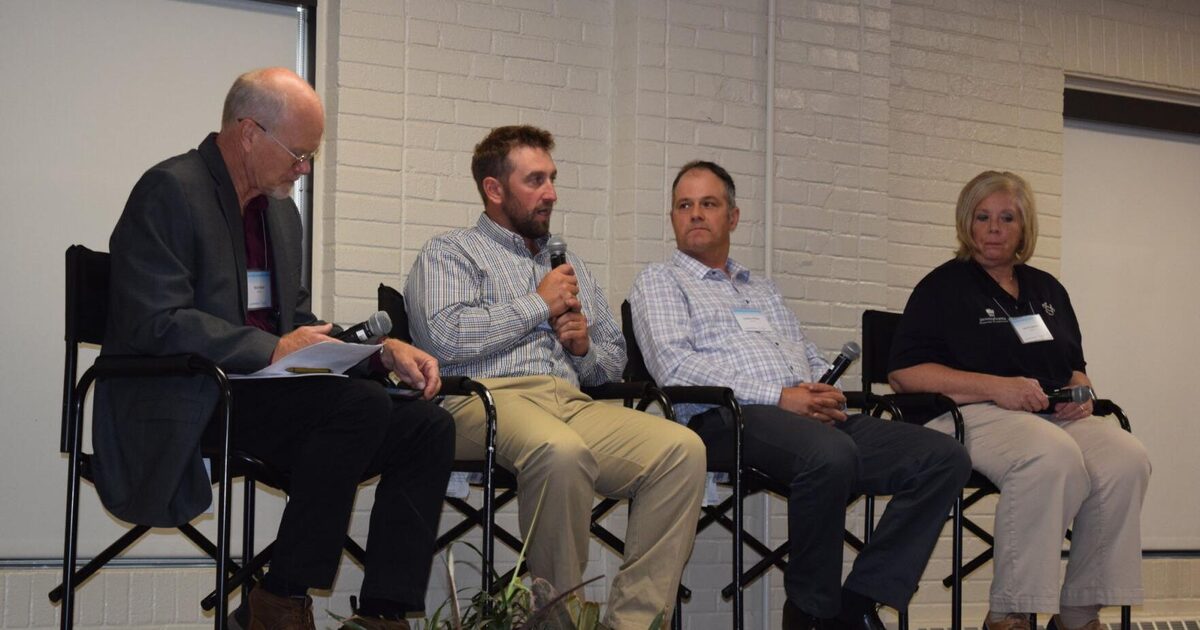
At a recent dairy industry conference in Pennsylvania, several farm operators reportedly shared how they built successful dairy businesses with partners who are not part of their own families. The panel, hosted by an industry group focused on dairy financial and risk management, highlighted a shift that industry observers say is slowly reshaping how American dairies grow.
According to the reporting, roughly 97% of U.S. dairies remain family-owned. But the farmers on the panel described how they teamed up with unrelated producers or friends from college to combine land, labor, equipment, and expertise. One partnership reportedly merged two roughly 900-cow herds across the Pennsylvania–Maryland line into a single operation. Another began as a dorm-room conversation between agriculture students and eventually grew into a network of farm and farm-related businesses in New York. A third was born when one farmer's facilities were wearing out and he lost leased land to a solar project, prompting him to team up with a neighboring producer.
While the news itself is about farming trends, the underlying story is a business law story: how unrelated people structure, share, and protect a jointly owned enterprise.
Why It Matters Legally
Nonfamily farm partnerships sit squarely in the world of business and corporate law. When two or more parties combine assets and share profits, they generally create a legal entity — often a partnership, limited liability company (LLC), or corporation — that governs who owns what, who decides what, and what happens if someone wants out.
Lawyers pay close attention to arrangements like these because farms are asset-heavy businesses. Land, livestock, equipment, milk contracts, cooperative memberships, and even brand certifications (such as kosher status) can all become disputed property if a deal goes sideways. Multi-state operations, like a farm that spans Pennsylvania and Maryland, may also raise questions about which state's laws govern the entity, where taxes are paid, and how regulatory permits transfer.
On top of the entity itself, these deals typically involve a stack of related contracts: lease agreements, buy-sell provisions, financing documents, employment terms for family members who work on the farm, and cooperative membership rules. Each layer generally carries its own legal risks if not carefully drafted.
Who Could Be Affected
Many kinds of business owners — not just dairy farmers — could face similar issues when considering a nonfamily partnership. Categories that may want to understand the general legal landscape include:
- Farmers and ranchers thinking about merging herds, sharing land, or bringing in a younger operator without a traditional family succession.
- Small business owners who want to combine forces with a competitor or complementary business to reach the next level of scale.
- Founders and early partners who launched a venture with friends and never formalized how ownership, decisions, or exits would work.
- Cooperative members who may need to leave one co-op and join another as part of a merger.
- Family members and spouses whose financial futures may be tied to a business they don't legally own on paper.
- Lenders and landlords who need clarity on who is now responsible for loans, leases, and guarantees.
How Cases Like This Generally Work
When business partners come together — or later fall out — a business litigation attorney typically starts by asking a few core questions:
- What did the parties actually agree to, in writing? A well-drafted partnership or operating agreement generally spells out capital contributions, ownership percentages, voting rights, distributions, and what triggers a buyout. If nothing was written down, state default rules for partnerships or LLCs usually fill the gap — and those defaults may not match what the parties expected.
- Who owns which assets? In farming, this often means untangling whether land, cattle, or equipment belong to an individual, a family trust, or the new joint entity. Titles, bills of sale, and tax filings are typically reviewed early.
- How were decisions made along the way? Meeting notes, group chats, emails, and even routine calls (like the weekly partner meetings described in the source article) can become important evidence about how the business was actually run.
- What contracts touch the deal? Milk marketing agreements, cooperative bylaws, supplier contracts, and lender covenants may all restrict what partners can do without consent.
- What are the timelines? Statutes of limitations for breach of contract, breach of fiduciary duty, or fraud claims generally range from a few years to longer, depending on the state and the claim. In states like Pennsylvania, Maryland, New York, Virginia, and Texas, those windows and the underlying business laws can differ meaningfully.
What to Watch Next
Readers following broader trends in agricultural business may see more coverage of:
- New partnership announcements as mid-sized farms (those not quite small, not quite large) look for ways to grow or exit.
- Cooperative membership changes when merging operations pick a single milk buyer or marketing group.
- State-level policy discussions about farm succession, beginning-farmer programs, and land-use pressures such as solar development.
- Litigation or arbitration filings in cases where nonfamily partnerships break down, which could shape how future deals are drafted.
- Estate and succession updates as the children of today's partners eventually reach an age where ownership transitions become a live question.