What Happened
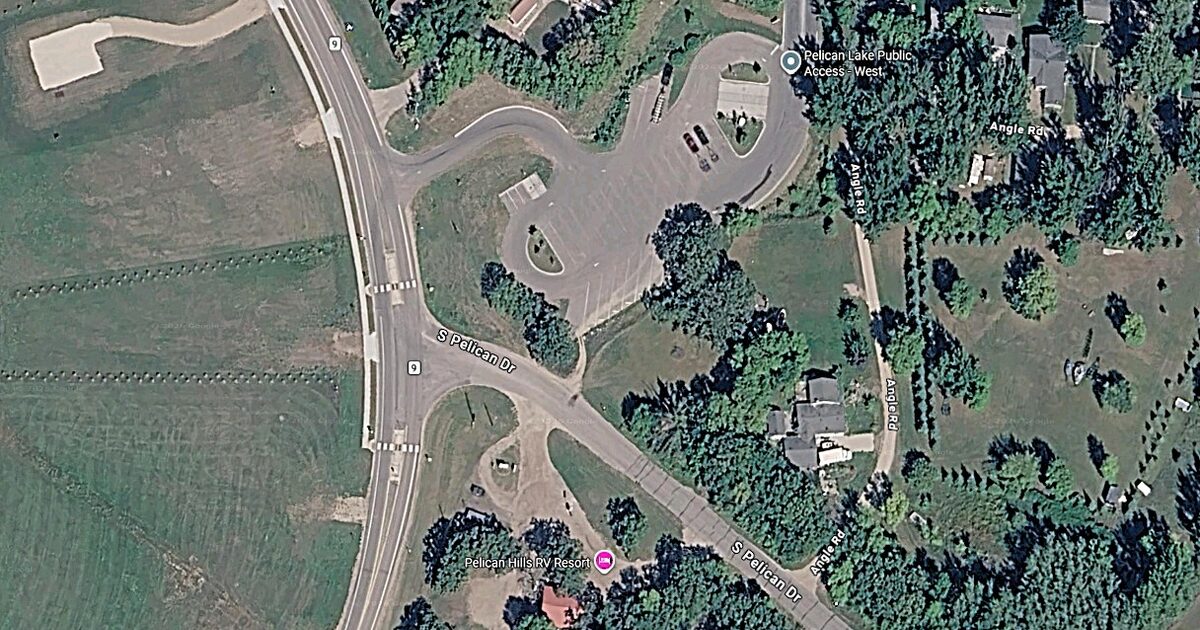
Early on a Saturday morning in late June, a motorcycle reportedly went down on a rural road near the west side of Pelican Lake in Otter Tail County, Minnesota. According to a sheriff's office news release summarized by local reporting, the bike was traveling south on County Highway 9 at roughly 40 miles per hour when it tipped over and slid about 30 yards into a ditch near the intersection with South Pelican Drive.
Two people were reportedly hurt. A 37-year-old woman from Lake Park, riding as a passenger, is said to have suffered a head injury and a possible leg injury; she was flown by air ambulance to a Fargo hospital. The driver, a 41-year-old man from Monticello, reportedly suffered a suspected broken leg and a head injury and was transported by ground ambulance to a hospital in Detroit Lakes. Multiple agencies, including the county sheriff's office, a local police department, and ambulance services, responded to the scene shortly after 2 a.m.
As of the initial report, no names had been released and no fault had been assigned. The cause of the tip-over has not been publicly stated.
Why It Matters Legally
Crashes involving motorcycles sit at the intersection of several legal areas: personal injury law, auto insurance law, and sometimes premises or roadway-design law if a defect on the road played a role. Motorcycles are far more exposed than cars, so even a low-speed spill can produce serious injuries — head trauma, fractures, and road rash are common. That severity tends to raise the stakes on questions like who was at fault, what insurance is available, and how medical bills will be handled while treatment is still ongoing.
Lawyers pay close attention to single-vehicle motorcycle crashes because the legal picture can look very different depending on small facts. If the bike simply lost traction on its own, the analysis focuses on the driver's insurance and any coverage available to the passenger. If something in the roadway, a defect on the motorcycle, or another driver's actions contributed, additional parties may enter the picture.
Who Could Be Affected
Cases like this one generally touch several categories of people:
- Motorcycle passengers. A passenger typically has no control over how the bike is operated, which usually gives them a broader path to recovery than the driver would have.
- Motorcycle drivers. Drivers may still have options — through their own medical coverage, uninsured/underinsured motorist coverage, or third-party claims if someone or something else contributed.
- Family members. If an injury is catastrophic or fatal, spouses and children may have their own claims for losses like loss of support or companionship.
- Other motorists. Even in a reported single-vehicle crash, another vehicle's actions — such as forcing a swerve — can be relevant, and those drivers may become part of an investigation.
- Property owners or government agencies. If a roadway hazard, poor signage, or a maintenance issue contributed, a claim against a public agency may become possible, though these claims usually come with much shorter deadlines and special notice rules.
How Cases Like This Generally Work
In a typical motorcycle injury case, a lawyer usually starts by gathering the official record: the responding agency's crash report, any 911 audio, dispatch logs, photos from the scene, and witness statements. In Minnesota specifically, sheriff and state patrol reports often include diagrams, estimated speeds, and preliminary observations about road and weather conditions.
Next comes the medical picture. Head injuries in particular can evolve over weeks or months, so attorneys generally wait until a client reaches what doctors call "maximum medical improvement" before putting a full value on a claim. Rushing to settle before the long-term picture is clear can leave someone under-compensated for future care.
Insurance is where motorcycle cases get tricky. Minnesota is a no-fault state for cars, meaning drivers and passengers in most auto crashes can tap their own personal injury protection (PIP) coverage for medical bills and lost wages regardless of fault. But motorcycles are generally excluded from the no-fault system in Minnesota. That means a motorcycle passenger's medical bills may not be covered the same automatic way they would be after a car crash. Health insurance, the driver's liability coverage, or an umbrella policy may end up doing the heavy lifting. Wisconsin, Michigan, and Washington each handle motorcycle coverage differently, so the same crash across a state line can produce a very different insurance analysis.
Deadlines matter. The general statute of limitations for personal injury claims in Minnesota is typically six years, but shorter deadlines can apply — for example, claims against a government entity often require formal notice within months, not years. Wisconsin and Michigan generally use a three-year window for injury claims, while Washington generally uses three years as well. These are just general reference points; the specific deadline for any real case depends on facts a lawyer would need to review.
Finally, comparative fault rules can affect recovery. Most states in this region reduce a claimant's recovery by their share of fault, and in some states, being more than 50% at fault can bar recovery entirely. Passengers, again, usually start from a stronger position on this issue than drivers do.
What to Watch Next
Follow-up reporting on a crash like this typically includes an updated release of names once families have been notified, a formal cause determination from investigators, and any citations issued to the driver. If a criminal charge is filed — for example, if impairment were alleged — that court file becomes public. On the civil side, a lawsuit, if one is ever filed, would usually surface months later in county district court records. Insurance disputes rarely become public unless they end up in court.
Readers may also see agency-level updates about the roadway itself if county engineers determine that a fix is warranted, though that is not always part of the story.
Frequently Asked Questions
Can a motorcycle passenger sue the driver of the motorcycle they were riding on?
Generally, yes. A passenger who is hurt because of how a motorcycle was operated may have a claim against the driver's liability insurance, even if the driver is a friend or family member. The claim is usually against the insurance policy, not the person personally, and outcomes depend on coverage limits and the facts of the crash.
Does Minnesota no-fault insurance cover motorcycle injuries?
Generally, no. Minnesota's no-fault system, which pays medical bills and lost wages regardless of fault, typically applies to cars and light trucks but excludes motorcycles. That means motorcycle riders and passengers often rely on health insurance, the driver's liability coverage, or optional motorcycle medical-payments coverage instead.
What if the crash was a single-vehicle tip-over with no other cars involved?
A single-vehicle crash can still support an injury claim, especially for a passenger. Liability may rest with the driver, but investigators sometimes uncover other contributing factors — like a road defect, debris, or a mechanical failure — that open up additional claims. A careful review of the scene and the bike is generally the starting point.
How long does someone generally have to file a motorcycle injury lawsuit?
Deadlines vary by state and by the type of defendant. In Minnesota, the general personal-injury deadline is often six years, while Wisconsin, Michigan, and Washington typically use three years. Claims against government entities usually have much shorter notice requirements, sometimes just a few months.
What kinds of damages can be claimed after a serious motorcycle crash?
Damages generally include medical bills, future medical care, lost wages, lost earning capacity, pain and suffering, and, in some cases, loss of companionship for close family members. If a driver's conduct was especially reckless, punitive damages may be available in some states, though the standards are high.
Does wearing or not wearing a helmet affect a claim?
It can. In states that allow helmet evidence, the absence of a helmet may reduce compensation for head injuries under comparative-fault rules, even if it did not cause the crash itself. Rules vary widely, and some states specifically limit how this evidence can be used.
What should a family do while an injured rider is still in the hospital?
Generally, families focus on medical care first. Keeping copies of crash reports, photos, and medical records — and being cautious about signing anything from an insurance company early on — tends to preserve options later. Any decisions about a legal claim can usually wait until the medical picture is clearer.