What Happened
According to local reporting out of Shreveport, deputies with the Caddo Parish Sheriff's Office responded to a serious crash on North Market Street involving a gray sedan and a person on a bicycle. First responders from Caddo Fire District One reportedly arrived to find the bicyclist unresponsive in the roadway, and he was pronounced dead at the scene. His identity is being withheld until family can be notified.
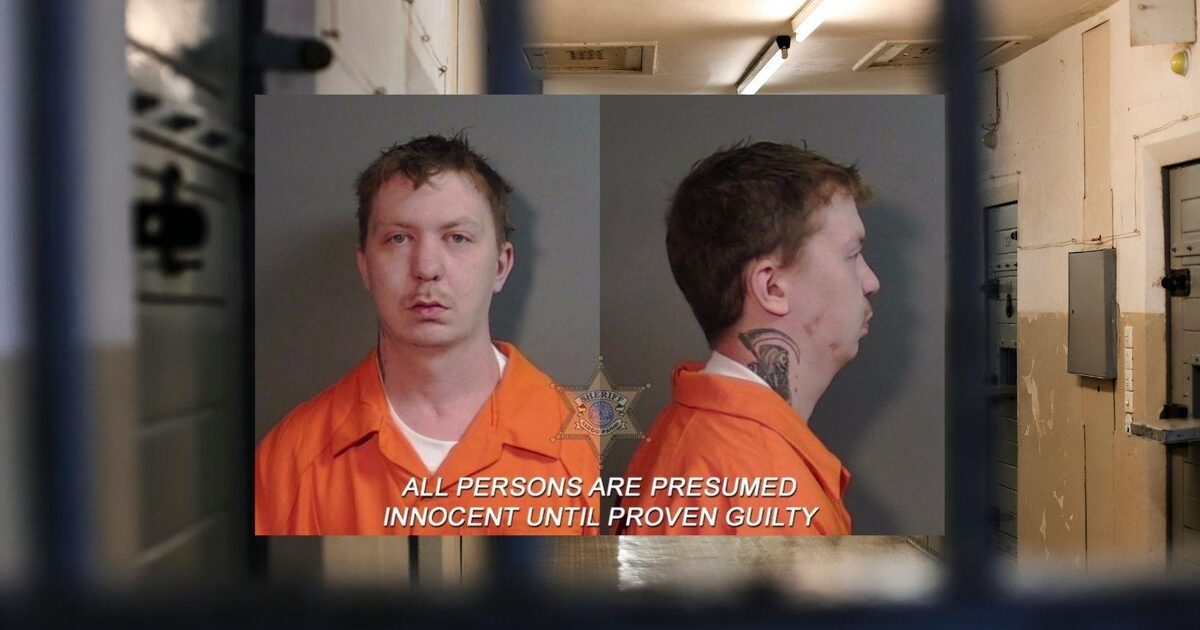
The driver of the sedan, a 27-year-old man, was reportedly given a chemical test that indicated a blood alcohol level over Louisiana's legal limit. He was taken into custody and booked at the Caddo Correctional Center on charges that reportedly include Driving While Intoxicated (second offense) and vehicular homicide. Authorities say the investigation is ongoing, and northbound Highway 1 was closed for a period while deputies processed the scene.
As with any arrest, the driver is presumed innocent unless and until proven guilty in court. Nothing in this article should be read as a statement of fault or liability.
Why It Matters Legally
Crashes that involve a suspected impaired driver and a vulnerable road user — like a bicyclist or pedestrian — sit at the intersection of several important legal areas. On the criminal side, prosecutors may pursue charges such as DWI and vehicular homicide, which can carry significant prison time under Louisiana law, especially when a prior DWI is alleged.
On the civil side, incidents like this often lead to personal injury or wrongful death lawsuits brought by the victim's family. These are separate from the criminal case. A criminal prosecution is about punishing conduct the state considers a crime; a civil case is about compensating people who have suffered losses. A driver can be found not guilty in criminal court and still be held financially responsible in civil court, because the burden of proof is lower in civil matters.
Lawyers pay close attention to these cases because impaired-driving allegations often affect insurance coverage, punitive damages exposure, and settlement dynamics. Chemical test results, if admitted, can become powerful evidence in a related civil claim.
Who Could Be Affected
While every case is different, incidents like this one generally touch several groups of people beyond the immediate parties:
- Family members of a person killed in a crash. In Louisiana, certain close relatives — typically spouses, children, parents, and in some cases siblings — may have the right to bring a wrongful death claim, and a separate "survival action" for the pain and suffering the loved one experienced before death.
- Bicyclists and pedestrians injured by drivers. Vulnerable road users generally have the same right to pursue a personal injury claim as occupants of other vehicles, and often more, given the severity of typical injuries.
- Passengers in a vehicle driven by an allegedly impaired driver. Passengers may have claims against the driver and, in some circumstances, against third parties.
- Other drivers or witnesses harmed physically or emotionally. Bystanders who suffer physical harm or, in limited situations, severe emotional distress may also have legal options.
- Bar and restaurant patrons and the public generally. Some states, including Louisiana in narrow circumstances, recognize claims against businesses that serve alcohol to certain patrons; the rules are limited and highly fact-specific.
How Cases Like This Generally Work
In the personal injury world, a fatal crash case typically unfolds in a few overlapping stages.
1. Investigation and evidence preservation. Early on, attorneys generally want to lock down evidence before it disappears. That may include the police crash report, 911 audio, dashcam or surveillance footage from nearby businesses, vehicle event data recorder ("black box") information, and photographs of the scene, the bicycle, and the vehicle. In suspected impaired-driving cases, chemical test results and the chain of custody around those tests are also important.
2. Identifying responsible parties and insurance. A lawyer will typically look beyond the driver. Was the vehicle owned by someone else? Was the driver working at the time? Were there any mechanical issues? Each answer can open or close doors to additional insurance coverage, which often matters more than a verdict on paper — because collecting money from an individual with limited assets can be difficult.
3. Damages analysis. In a wrongful death case, damages generally can include funeral and burial costs, loss of financial support, loss of companionship and guidance, and the emotional suffering of surviving family members. A separate survival action may cover the deceased person's own pain, suffering, and medical bills between injury and death.
4. Comparative fault. Louisiana uses a "pure comparative fault" system, meaning a victim's recovery can be reduced by their percentage of fault, but is generally not eliminated even if they are partly responsible. In bicycle cases, defense lawyers may raise questions about lighting, lane position, or helmet use; plaintiffs' lawyers respond with evidence about driver conduct and right-of-way.
5. Timelines. Louisiana historically had one of the shortest deadlines in the country for injury and wrongful death lawsuits — a one-year "prescription" period — though recent legislative changes have extended some deadlines. Because the rules can shift and depend on the specific facts, families are generally encouraged to speak with a qualified attorney early rather than assume they have plenty of time.
6. Resolution. Most civil cases settle before trial, often after the criminal case has moved forward enough to clarify the facts. Settlements may be paid by auto liability insurance, umbrella policies, or, less often, directly by defendants.
What to Watch Next
Readers following stories like this can generally expect several developments over the coming weeks and months:
- Formal charging decisions. Prosecutors will decide whether to move forward with the arrest charges, add new ones, or reduce them based on the evidence.
- Release of the victim's identity. Once family notification is complete, the bicyclist's name may be released, which can spark additional community response.
- Court appearances. Initial hearings, bond decisions, and preliminary examinations will appear on the public docket.
- Toxicology confirmation. Field or breath tests are often followed by lab-confirmed results, which can influence both the criminal case and any civil claim.
- Civil filings. If the family chooses to pursue a wrongful death or survival action, a lawsuit could be filed in state court within the applicable deadline.
- Agency or roadway reviews. Fatal crashes on busy corridors sometimes prompt local traffic-safety reviews or infrastructure discussions, especially where bicyclists and pedestrians are involved.