What Happened
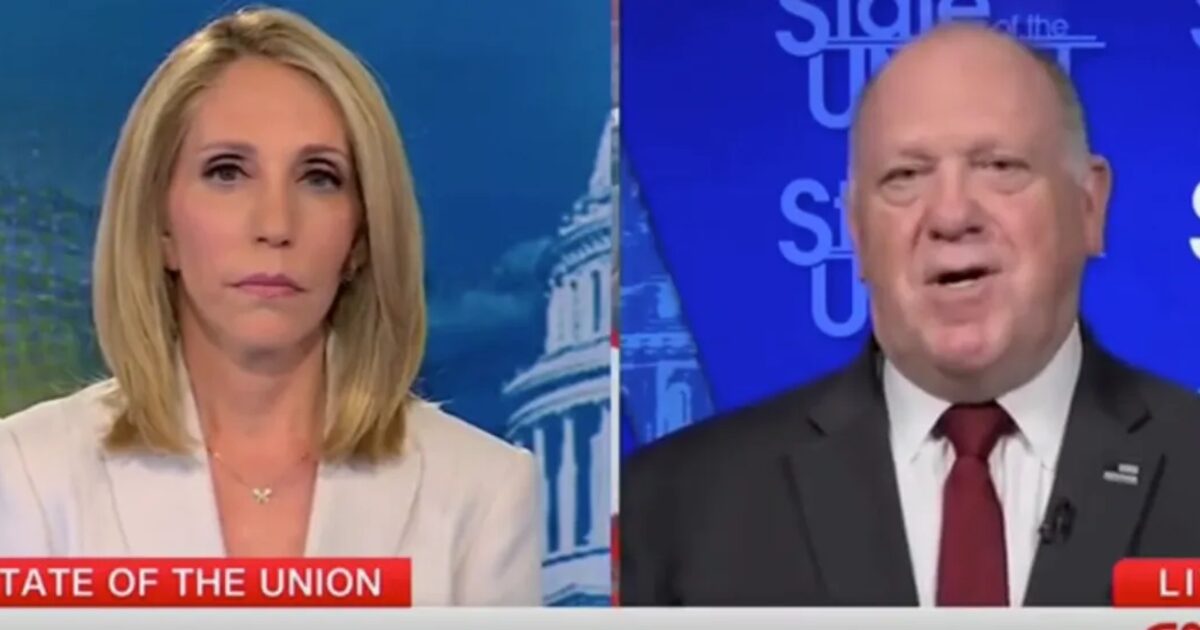
Over the weekend, a senior federal border official appeared on a national Sunday news program to push back on comments made earlier in the week by a Democratic U.S. senator from Connecticut. According to reports, the senator had posted on social media that Immigration and Customs Enforcement (ICE) officers were reportedly arresting parents at school bus stops in Danbury, Connecticut, and suggested the tactic was meant to frighten children.
The border official denied that ICE targets children or uses fear as a tactic. He said the agency's job is to enforce immigration laws passed by Congress, which may include arresting people with final removal orders, visa overstays, or criminal histories. He acknowledged that some of those arrested are parents, but he framed the senator's characterization as political rhetoric. He also referenced a separate controversy at a New Jersey detention facility — reportedly known as Delaney Hall — where he disputed public claims of a hunger strike and mistreatment, and said one widely repeated story about a father allegedly arrested while buying diapers was inaccurate.
The senator's office reportedly did not immediately respond to media requests for comment. None of the specific factual claims on either side have been resolved in court.
Why It Matters Legally
Immigration enforcement is one of the areas where federal civil law, criminal law, and constitutional rights all overlap. When ICE makes an arrest, several bodies of law can come into play at once:
- Federal immigration law, which governs who can be detained, removed, or held pending a hearing.
- Criminal law, when a person is charged with a crime — either an underlying offense (like a DUI or an assault) or an immigration-related offense (like illegal reentry).
- Constitutional protections, including the Fourth Amendment's limits on searches and seizures and the Fifth Amendment's due process guarantees, which generally apply to everyone physically present in the United States, regardless of immigration status.
Who Could Be Affected
Even though this dispute involves national political figures, the underlying legal questions can touch a wide range of ordinary people:
- Immigrants and their family members, including U.S. citizen children of noncitizen parents, who may need to understand how a parent's detention could affect the household.
- People arrested during immigration enforcement actions, who may face both civil immigration proceedings and separate criminal charges.
- Witnesses and bystanders, who could be questioned during an operation and generally retain the right to remain silent and to decline consent to a search.
- Employees of detention facilities, who may be subject to internal investigations or oversight reviews if conditions are reportedly disputed.
- Local school districts, hospitals, and workplaces, which may have their own policies about how they respond when federal officers appear on the premises.
How Cases Like This Generally Work
Within the broader umbrella of criminal defense, immigration-related arrests generally unfold in a few overlapping tracks.
The initial encounter. Lawyers typically start by looking at how the stop or arrest happened. Was there a judicial warrant? An administrative warrant (which generally does not authorize entry into a home without consent)? Was the person in a public place, a workplace, or a private residence? These details often matter more than any single headline. Video, dispatch records, and witness statements are generally central pieces of evidence.
Parallel criminal and immigration cases. If someone is charged with a crime after an immigration arrest, they may end up with two separate cases running at the same time — a criminal case in state or federal court, and a removal (deportation) case in immigration court. Decisions in one can affect the other. For example, a guilty plea in a criminal case may have consequences for immigration status that a person did not expect. That is why criminal defense attorneys typically try to understand a client's immigration situation before advising on a plea.
Detention conditions. Claims about detention conditions — such as reported hunger strikes, medical care disputes, or access to counsel — are generally addressed through facility grievance systems, oversight bodies like the Department of Homeland Security's Office of Inspector General, and civil rights litigation. When public claims and official responses conflict, records requests and depositions often become the way facts get established.
Timelines. In the criminal track, deadlines can move quickly — arraignment typically happens within days, and speedy trial rules generally apply. In the immigration track, timelines can vary widely, from expedited proceedings that move in weeks to standard cases that may take years.
What to Watch Next
When a news cycle like this develops, follow-up reporting and court records tend to reveal more than the initial back-and-forth. Readers may want to watch for:
- Local court dockets in the Connecticut and New Jersey communities named in the reports, which could show whether specific arrests led to criminal charges or immigration proceedings.
- Civil rights lawsuits filed by detainees, family members, or advocacy groups, which may test how enforcement operations were carried out.
- Inspector general reports or congressional oversight hearings, which are typical channels for reviewing detention conditions.
- Statements from local officials — mayors, school boards, or state attorneys general — clarifying their own policies on cooperation with federal enforcement.
- Any corrections or updates from news outlets that originally reported disputed incidents.
Frequently Asked Questions
Can ICE arrest someone at a school bus stop?
Generally, ICE has legal authority to make arrests in public places, though internal agency policies at various times have limited enforcement near "sensitive locations" like schools. Whether a specific arrest was lawful typically depends on the warrant, the location, and the circumstances. Policies can also change from one administration to the next.
Do people have constitutional rights during an immigration arrest?
Yes. Constitutional protections like the right to remain silent and protection against unreasonable searches generally apply to everyone physically present in the United States, regardless of immigration status. How those rights play out in practice can depend heavily on the facts of the encounter.
What happens to U.S. citizen children if a parent is detained by ICE?
U.S. citizen children generally remain in the country and, depending on the situation, may be placed with another parent, a relative, or into state child welfare systems. Families often work with both immigration lawyers and family law attorneys to plan for custody and guardianship issues.
Can someone be criminally charged after an ICE arrest?
Yes. An immigration arrest can lead to separate federal criminal charges, such as illegal reentry, or to state criminal charges if the arrest reveals other alleged offenses. In those situations, a person may face both a criminal case and a removal proceeding at the same time.
What is the difference between an administrative warrant and a judicial warrant?
An administrative warrant is generally issued by an immigration agency and typically does not, by itself, authorize officers to enter a private home without consent. A judicial warrant is signed by a judge and generally carries broader authority. The distinction can matter a great deal in how an arrest is carried out.
How are claims about detention conditions usually investigated?
Claims about conditions inside detention facilities are generally reviewed through internal agency processes, the Department of Homeland Security's Office of Inspector General, congressional oversight, and sometimes civil rights lawsuits. Disputes about specific incidents often take months or longer to sort out.
Do noncitizens have the right to a lawyer in immigration court?
Noncitizens generally have the right to be represented by a lawyer in immigration proceedings, but unlike in criminal court, the government typically does not provide one for free. Some nonprofits and legal aid programs may offer help, depending on the location and the case.
Why do political disputes about enforcement matter for legal cases?
Public statements by officials generally do not decide legal cases, but they can influence policy, prosecutorial priorities, and how agencies allocate resources. Courts typically look at the specific facts of each case rather than the political framing around it.